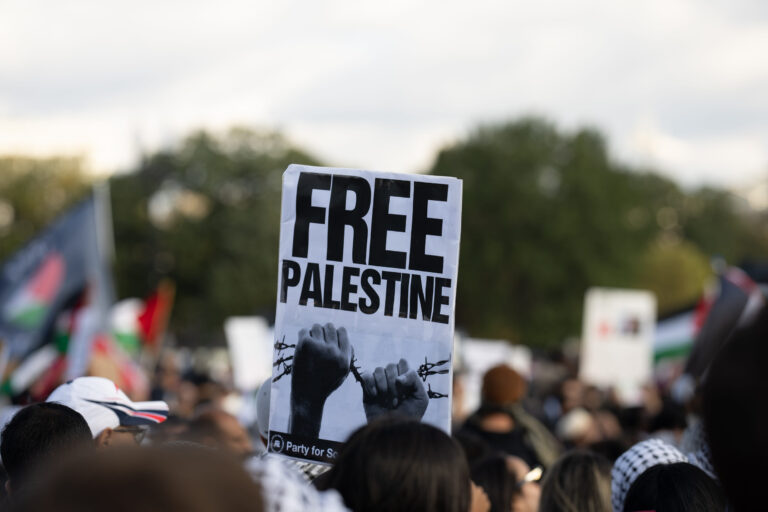
8 Harsh Reasons American Pride Feels Harder to Defend
America sells itself as a country of big dreams, brave promises, and endless possibilities. That story still moves people, especially those whose families came looking for safety, work, education, or a second chance. But for many Americans, pride has become more complicated because daily life keeps rubbing against the national slogan.
That does not mean people hate the country. Often, it means they expected better from it. When a nation calls itself the greatest on earth, people naturally ask why so many basic problems still feel painfully ordinary.
The “Greatest Country” Slogan Feels Harder to Believe
National pride has slipped because more Americans see a gap between patriotic language and their own lives. The old slogans still appear on campaign stages, T-shirts, bumper stickers, and Fourth of July decorations, but they do not always match the mood at kitchen tables. People are no longer accepting patriotic lines just because they sound powerful.
The problem is not that Americans have stopped caring. Many care deeply, which is exactly why the cracks bother them so much. Pride becomes difficult when rent climbs, medical bills scare families, schools feel unsafe, and politics turns neighbors into enemies.
Childhood Safety Has Become a National Embarrassment

Few things make people question American pride faster than the way children grow up around gun violence. School lockdown drills are now part of childhood in a country that calls itself wealthy, free, and advanced. Kids learn how to hide quietly, silence their phones, and wait in corners before they fully understand the world they are being trained to fear.
That is not normal childhood pressure. It is a national wound that keeps getting treated like background noise. Many Americans can still love their country, but they struggle to feel proud when children have to rehearse survival inside classrooms.
Healthcare Can Punish People for Getting Sick
The American healthcare system can feel like a maze with a cash register at every turn. A person can have insurance, work full-time, follow the rules, and still get swallowed by deductibles, surprise costs, denied claims, or long payment plans. That is why many people hear the word ‘freedom’ and wonder what it means when a medical emergency can wreck a family’s budget.
Health costs remain one of the clearest reasons pride turns sour. In a country famous for medical innovation, people should not have to choose between treatment and financial survival. That contradiction sits heavily on Americans who want to feel proud but keep seeing illness turn into debt.
Homelessness Sits Beside Luxury Like Nothing Is Wrong
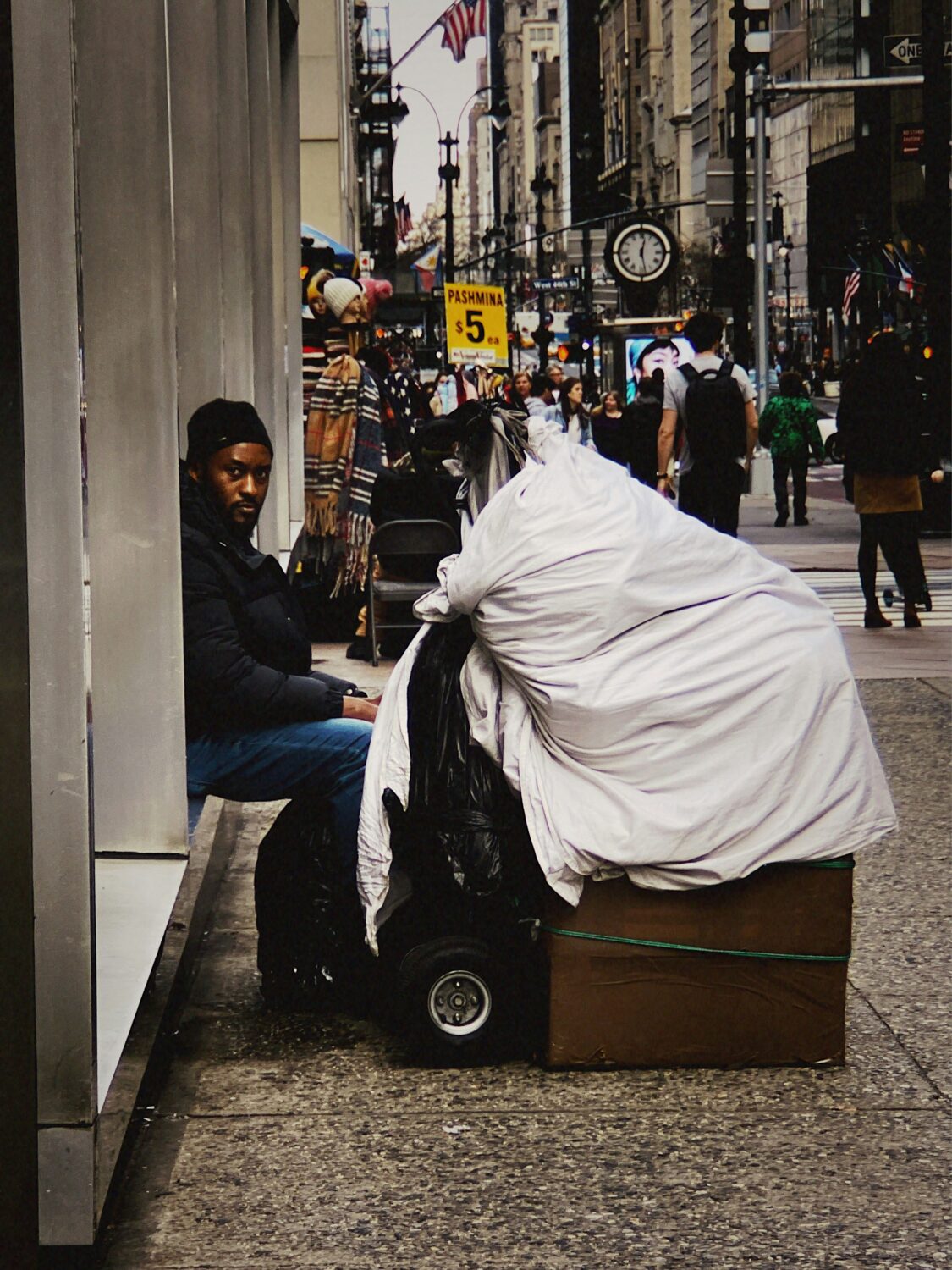
America’s cities can be visually shocking. In one block, there are glass towers, rooftop pools, boutique gyms, and restaurants charging more for brunch than some families spend on groceries. A few steps away, people sleep in tents, cars, subway stations, or under overpasses.
That contrast makes the national success story feel strangely cold. Housing is not a small luxury. It is the floor beneath everything else, and when the richest country in the world normalizes people living outside, many Americans start asking what kind of prosperity is being celebrated.
Children Are Praised in Speeches but Strained in Real Life
American politics loves talking about children. Campaigns use them in ads, leaders mention them in speeches, and families are constantly told that kids are the future. Yet too many children grow up around food insecurity, underfunded schools, stressed parents, and healthcare barriers that should not exist in a country this rich.
The language is warm, but the reality can be rough. It means dinner tables where parents stretch meals, children sense adult stress, and teachers often become unofficial social workers. Pride becomes harder to hold when the country praises children symbolically while leaving so many families fighting for the basics.
Work Culture Often Feels Like Exhaustion With Branding
America talks beautifully about ambition, but working life can feel brutal. Many people work long hours, answer messages after dinner, save vacation days like emergency supplies, and return to work quickly after major life events. The culture often turns burnout into a badge of honor, then calls it hustle.
That kind of freedom can feel strangely expensive. For many Americans, work is not just a path to stability, but a treadmill that keeps speeding up. A country can celebrate family values all it wants, but workers notice when a new baby, illness, or caregiving crisis becomes a financial test.
The Justice System Makes “Liberty” Sound Selective
America’s language around liberty is powerful, but the justice system often tells a harsher story. Millions of people live under prison, jail, probation, or parole supervision, and many families carry the long shadow of incarceration long after a sentence ends. That reality makes freedom feel uneven.
Some people experience America as a possibility, while others experience it as surveillance, fees, records, and closed doors. A country can talk about second chances, but the system often makes redemption feel like a locked room with no handle. That makes it harder for people to defend national pride when they see how punishment can follow families for generations.
People Feel Forced to Perform Pride Instead of Demanding Better

One of the most frustrating parts of modern patriotism is the pressure to smile through disappointment. Some Americans feel that questioning the country is treated as a form of betrayal, even when the questions come from a place of care. That makes patriotism feel less like love and more like a costume.
People are told to be grateful, even when they are scared, broke, angry, or exhausted. When trust in major institutions stays low, blind pride becomes harder to sell. Many Americans do not want to reject the country. They want the country to live up to the promise it keeps repeating.
Conclusion
The decline in American pride is not just about politics, bad headlines, or people becoming cynical for sport. It is about a country with enormous wealth, influence, talent, and cultural power, still failing to solve problems that touch ordinary families every day. People notice when the national story sounds majestic, but the lived experience feels expensive, unsafe, lonely, or unfair.
That is why this conversation matters. Real patriotism does not require pretending everything is fine. Sometimes, the most honest form of love for a country is refusing to clap for problems that should have been fixed long ago.