8 Hidden Dangers of Becoming a Content Creator Today
The dream looks clean from the outside. A camera, a phone, a few clever ideas, and suddenly the internet seems ready to hand over attention, money, freedom, and status. Yet becoming a content creator today is no longer just a creative decision. It is a public business move, a mental endurance test, a branding exercise, and sometimes a legal minefield.
The creator economy is growing fast, with Goldman Sachs Research estimating that it could rise from about $250 billion in 2023 to $480 billion by 2027. That growth makes the field look rich with opportunity, but it also brings heavier competition, unstable income, harsher audience pressure, and bigger risks for people who enter without a strategy.
The Algorithm Can Control Your Confidence and Income

The first hidden danger is algorithm dependence. Many creators start with passion, but soon learn that visibility often depends on systems they do not control. One week, a post reaches thousands of people. The next week, stronger content barely moves. That inconsistency can make creators question their talent, message, niche, and worth.
We also have to treat the algorithm as a business risk. A platform can change what it rewards, limit certain topics, push short videos over long ones, or reduce reach without giving creators a clear explanation. For creators who depend on views for brand deals, affiliate income, ad revenue, or product sales, one platform change can turn a healthy month into a stressful one.
This danger becomes worse when creators build only on rented land. A creator with followers but no email list, website, community, product, or direct customer relationship is exposed. The platform owns the traffic. The creator owns the labor. That imbalance can quietly trap people in a cycle of posting more just to stay visible.
Burnout Can Arrive Before Real Success Does
Content creation looks flexible, but many creators work longer hours than people expect. Planning, filming, editing, writing captions, answering comments, checking analytics, pitching brands, researching trends, managing invoices, and staying visible all happen behind the scenes. The public sees the post. The creator feels the pressure behind every post.
Recent data on creator burnout shows how serious this problem has become. A 2025 survey of creators and marketers found that 52% had experienced burnout due to their careers, and 37% had considered leaving the profession altogether.
Burnout hits hard because the job rewards constant output. Rest can feel like disappearing. Silence can feel like failure. Even when creators take breaks, they may worry that their audience will forget them, brands will move on, or the algorithm will punish their absence. Over time, the work that once felt creative can start to feel like feeding a machine that never becomes full.
Misinformation Can Damage Trust and Reputation

Creators now influence what people buy, believe, eat, wear, watch, and discuss. That influence can be powerful, but it also creates responsibility. Pew Research Center found that 21% of U.S. adults regularly get news from news influencers on social media, and the share rises to 37% among adults ages 18 to 29.
That reach poses a serious risk to creators who post quickly without checking the facts. A wrong claim about health, money, law, crime, politics, or safety can spread fast. Even after the creator corrects it, screenshots and reposts can keep the original mistake alive. The audience may forgive one error, but repeated carelessness destroys trust.
The danger is not limited to news creators. Lifestyle, wellness, finance, parenting, beauty, fitness, and relationship creators can also mislead audiences unintentionally. A confident tone can make weak information sound reliable. A viral format can make half-truths spread faster than careful explanations. In the creator economy, trust is currency, and misinformation spends it quickly.
Your Personal Life Can Become Public Property
One of the most dangerous parts of becoming a content creator today is the slow erosion of privacy. At first, sharing personal details may feel harmless. A day-in-the-life, a relationship update, a room tour, a family moment, or an emotional confession can build a connection. Audiences often reward vulnerability, and platforms often push content that feels intimate.
The problem begins when personal access becomes the product. Followers may start expecting updates about relationships, children, health, finances, friendships, breakups, grief, mistakes, and private decisions. A creator who trains an audience to expect personal access may later struggle to set boundaries without backlash.
Privacy loss also creates safety risks. Location clues, school logos, house layouts, routines, license plates, workplace details, and family information can expose creators to stalking, harassment, identity theft, or unwanted contact. The internet does not forget quickly. A casual post today can become searchable evidence years later. Online Attention Can Distort Your Identity
Attention can feel good, especially when a creator is growing. Likes, shares, comments, saves, and follower counts create a visible scoreboard. That scoreboard can motivate people, but it can also reshape their identity. A creator may slowly stop asking, “Is this true to me?” and start asking, “Will this perform?”
This is where the danger becomes personal. Creators can become trapped inside the version of themselves that gets the most engagement. The funny creator may feel unable to speak seriously. The beauty creator may feel pressure to look perfect every day. The relationship creator may feel forced to turn private pain into public lessons. The financial creator may feel pushed to sound certain even when caution would be wiser.
Over time, performance can replace personality. The creator becomes a brand before becoming a stable person behind the brand. That gap can feel lonely, especially when followers connect with the online version but do not know the human cost behind it.
Monetization Rules Can Change Without Warning

Many creators believe that once they qualify for monetization, the income will continue as long as they keep posting. That belief can be dangerous. Platforms often update policies around originality, advertiser safety, reused content, sensitive topics, artificial intelligence, and acceptable formats.
YouTube updated its monetization policy language in July 2025 to clarify that repetitive or mass-produced content falls under “inauthentic content” and remains ineligible for monetization.
That kind of update matters because creators may invest months into a format that later becomes less profitable or harder to monetize. AI-generated videos, reused clips, reaction formats, faceless channels, compilation content, and trend-based accounts can face sudden pressure when platforms tighten quality standards. Even original creators can lose revenue if advertisers avoid certain topics.
The smarter path is to avoid relying on a single income stream. Ad revenue alone is fragile. A stronger creator business may include digital products, services, newsletters, paid communities, consulting, licensing, live events, affiliate partnerships, merchandise, and direct audience support. Fame is unstable. A business model gives the creator more room to breathe.
Brand Deals Can Become Legal and Ethical Traps
Brand partnerships can look like a reward for growing an audience. Free products, paid campaigns, affiliate links, sponsored trips, and long-term ambassador deals can make content creation feel profitable. Yet paid influence comes with disclosure responsibilities, contract obligations, and reputational risk.
The FTC’s endorsement guidance makes clear that creators need to disclose material connections when promoting products, services, or brands. Those connections can include payments, free products, discounts, gifts, family relationships, employment ties, or other benefits that could affect how viewers understand the recommendation.
This danger grows when creators accept deals too quickly. A bad product can damage audience trust. A vague contract can limit future opportunities. A brand may demand usage rights that allow the creator’s face, voice, or content to appear in ads for months or years. A high-paying deal can become expensive if it harms credibility. We should treat every sponsorship as both income and liability.
AI Can Steal Your Face, Voice, and Creative Style
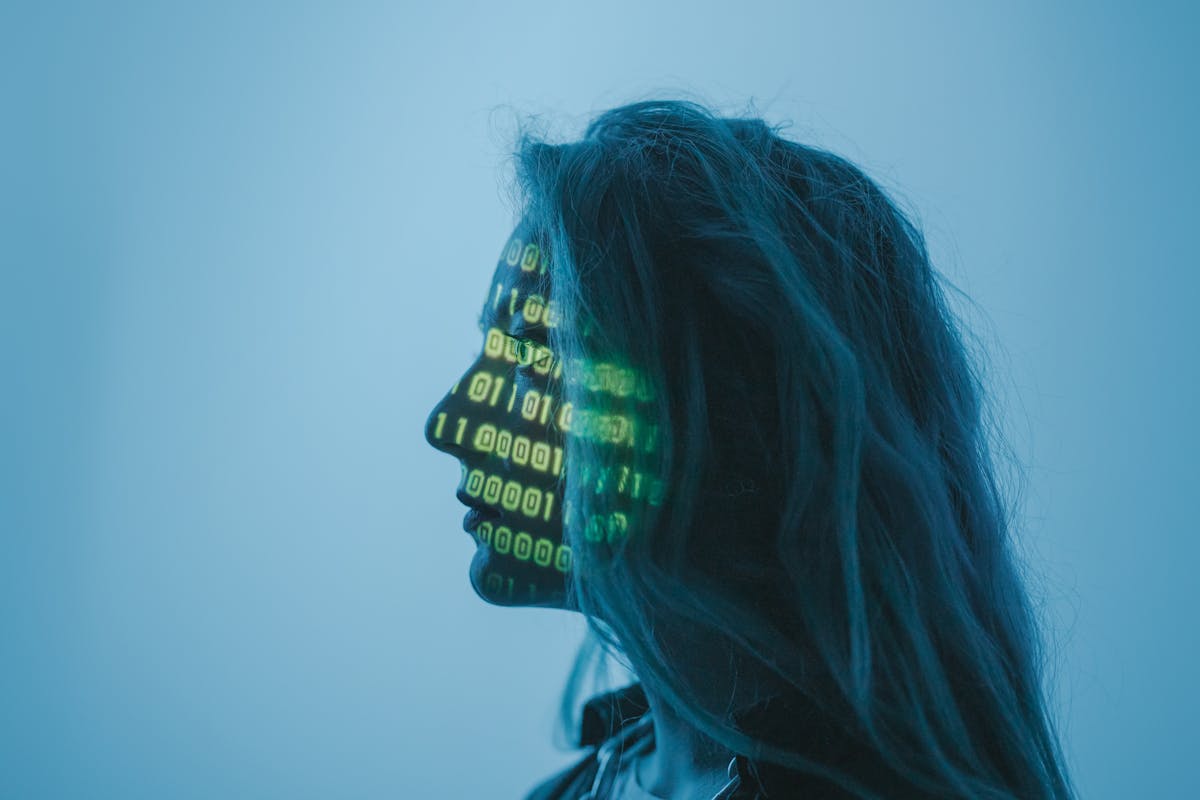
Artificial intelligence poses a new danger to creators. The same tools that help people edit faster, generate ideas, and produce content can also imitate voices, clone faces, scrape writing styles, create fake endorsements, and generate deepfake material. For creators whose identity is their business, this is not a small threat.
Deepfake risk is now serious enough that governments and businesses are investing in detection to prevent fraud, verify identities, protect brands, and moderate content. A 2026 UK government briefing described deepfake detection as increasingly critical across sectors due to risks posed by fraud, misinformation, and identity abuse.
Creators face a special version of this threat because their faces, voices, opinions, and habits are publicly available. A scammer can use a creator’s likeness to promote fake products. A copied voice can appear in a false advertisement. A stolen image can be used in harassment, impersonation, or explicit deepfake abuse. The more visible a creator becomes, the more valuable their identity becomes to bad actors.
Conclusion
Becoming a content creator today can still be powerful, profitable, and creatively fulfilling. It can help people build influence, serve communities, sell products, teach skills, entertain audiences, and open doors that traditional careers may never offer. Yet the public dream often hides the private cost.
We need to see content creation as more than posting online. It is a serious digital career that demands boundaries, legal awareness, mental stamina, financial planning, research discipline, and platform independence. The creators who survive long term are not always the loudest, trendiest, or most viral. They are the ones who protect their identity, respect their audience, diversify their income, and refuse to let the internet consume the person behind the screen.