8 Most Dangerous Foods Worldwide
Food is often associated with comfort, culture, and celebration. Across the globe, people have developed unique culinary traditions that turn unusual ingredients into prized delicacies. However, some foods come with a hidden danger. From poisonous toxins to deadly preparation mistakes, certain dishes require expert knowledge and careful handling before they can safely reach the dinner table.
While many people enjoy these foods safely every day, their risks have earned them a place among the world’s most dangerous foods.
Fugu
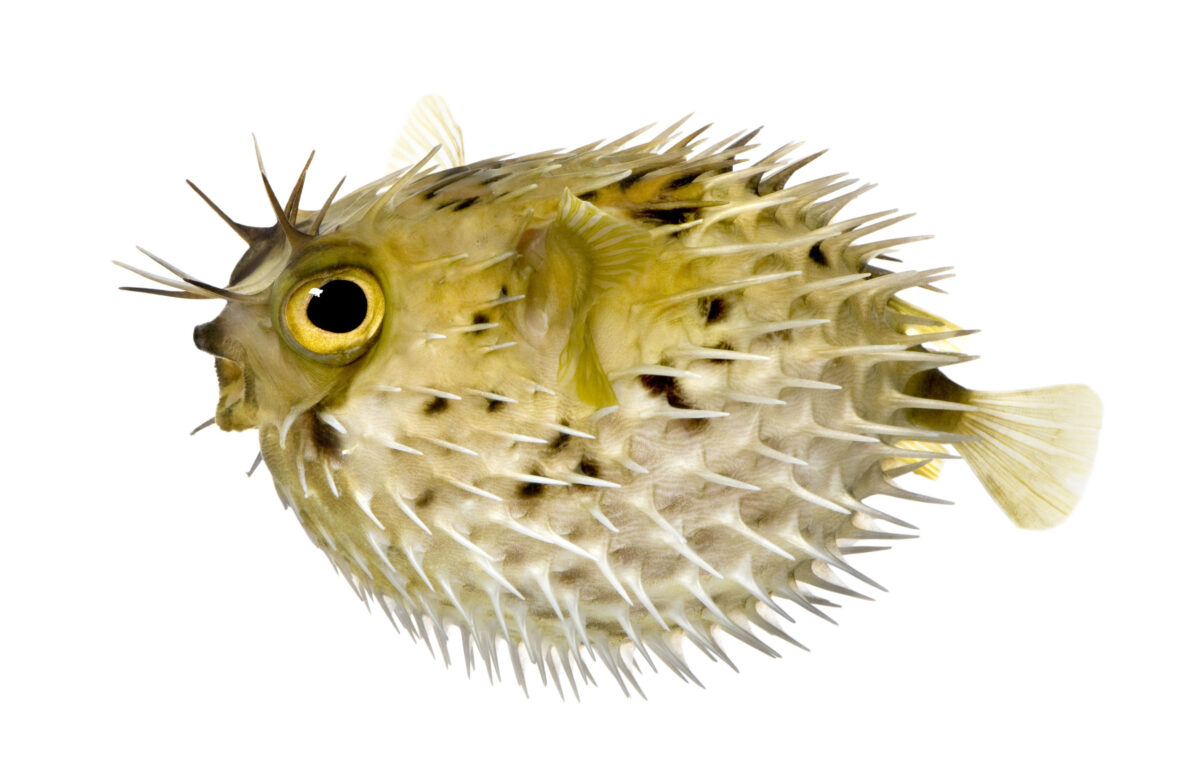
Perhaps the world’s most famous dangerous food is fugu, the Japanese pufferfish. Considered a luxury dish in Japan, fugu is served in high-end restaurants and prepared only by specially licensed chefs.
The danger comes from tetrodotoxin, a powerful poison found in the fish’s organs, particularly the liver, ovaries, and intestines. The toxin can cause numbness, paralysis, breathing failure, and death. No widely available antidote exists, so survival depends largely on immediate medical support.
Because of these risks, Japanese law requires fugu chefs to undergo years of training before they can prepare the fish for customers. A small mistake during cleaning can leave dangerous amounts of toxin behind.
Despite its reputation, properly prepared fugu is considered safe, and thousands of people eat it each year. The danger lies not in the fish itself but in the precision required to make it edible.
Ackee Fruit
Ackee is Jamaica’s national fruit and a key ingredient in the country’s famous dish, ackee and saltfish. However, eating the fruit before it is fully ripe can be extremely dangerous.
Unripe ackee contains hypoglycin A and B, naturally occurring toxins that can cause a serious illness known as Jamaican vomiting sickness. The condition can lead to severe vomiting, dangerously low blood sugar, seizures, and even death.
To eat ackee safely, let the fruit open naturally on the tree before harvesting. You must also remove the toxic parts, including the seeds and certain sections of the fruit.
Government agencies and food safety organizations have issued warnings about improperly prepared ackee, especially when the fruit is imported or processed incorrectly.
Cassava
Cassava, also known as yuca or manioc, is a major source of carbohydrates for millions of people in Africa, Asia, and Latin America. It is a vital crop in many communities, but it contains compounds that can produce cyanide if the plant is not prepared correctly.
Bitter varieties of cassava contain higher levels of cyanogenic compounds. Traditional preparation methods such as soaking, fermenting, drying, and cooking help remove these toxins.
When improperly processed, cassava can cause cyanide poisoning, leading to symptoms such as dizziness, weakness, breathing difficulties, and in severe cases, death.
The danger is especially concerning in areas where food shortages force communities to rely heavily on cassava without enough time or resources for proper preparation.
Blood Clams
Blood clams are considered a delicacy in parts of Asia, especially in China and Southeast Asia. Unlike many other shellfish, these clams contain a reddish liquid that gives them their name.
The danger comes from their ability to filter large amounts of water, allowing them to accumulate harmful microorganisms. Eating raw or undercooked blood clams has been linked to outbreaks of diseases including hepatitis A, hepatitis E, typhoid, and dysentery.
Because of these risks, some countries have restricted the sale of raw blood clams. Cooking can reduce many dangers, but improper handling remains a major concern.
For seafood lovers, experts recommend purchasing shellfish from reliable sources and ensuring they are properly cooked.
Giant Bullfrog
In parts of Namibia and other southern African regions, the giant bullfrog is considered a seasonal delicacy. However, certain parts of the frog contain toxins that can harm humans.
Young frogs and some internal organs are especially dangerous because they may contain substances that affect kidney function. Local preparation methods traditionally involve removing toxic parts or waiting until the frog reaches a safer stage of maturity.
The dish shows how traditional knowledge can be essential when consuming foods with natural risks.
Casu Marzu
Italy is famous for its cheeses, but one variety from Sardinia has gained international attention for its unusual production method.
Casu marzu is a sheep’s milk cheese that contains live cheese fly larvae. The insects break down the cheese, creating a soft texture and strong flavor that some enthusiasts consider a delicacy.
The potential danger comes from consuming the larvae and possible contamination. Some food safety authorities have raised concerns about hygiene and health risks associated with the cheese.
Although traditionally consumed in parts of Sardinia, casu marzu has faced restrictions because of food safety regulations.
Wild Mushrooms
Wild mushrooms are among the most dangerous foods because some poisonous varieties closely resemble edible ones.
Every year, people worldwide suffer mushroom poisoning after collecting wild fungi without expert identification. Some species contain toxins that can cause liver failure, kidney damage, hallucinations, or death.
The deadly death cap mushroom is one of the most dangerous examples. It can look similar to edible mushrooms, making accidental consumption a serious risk.
Experts warn that visual identification alone is often unreliable. Even experienced collectors can make mistakes, which is why mushroom experts recommend extreme caution when harvesting wild fungi.
Nutmeg
Nutmeg is a familiar kitchen spice found in many homes, but consuming it in very large amounts can be harmful.
The spice contains myristicin, a compound that can cause nausea, confusion, hallucinations, increased heart rate, and other symptoms when consumed excessively.
Normal culinary use is considered safe, but large quantities can lead to poisoning. Cases of nutmeg misuse have been reported, particularly among people attempting to use the spice for recreational effects.
The Balance Between Tradition and Safety
The world’s most dangerous foods reveal a fascinating connection between culture, science, and survival. Many of these foods have been eaten safely for generations because communities developed careful preparation techniques.
Risks often appear when people ignore traditional knowledge, rush preparation, or eat foods outside their normal cultural context.
Food safety experts emphasize that danger does not always come from exotic ingredients. Everyday foods can also become hazardous if contaminated, improperly stored, or prepared incorrectly.
From Japan’s carefully prepared fugu to Jamaica’s beloved ackee, these foods remind us that the line between a delicious meal and a dangerous mistake can sometimes be surprisingly thin.
For adventurous eaters, the lesson is simple: respect the food, understand the risks, and trust skilled preparation. In the world of cuisine, knowledge can be the difference between a memorable meal and a medical emergency.