8 Old Restaurant Dishes That Were Prepared Right at Your Table
There was a time when a fancy dinner out came with a show. In the elegant restaurants and supper clubs of the 1950s, 1960s, and 1970s, a waiter in a tuxedo would wheel a cart up to your table, light a small burner, and prepare your meal right in front of you. Flames leapt from the pan, the smell of butter and brandy filled the air, and everyone at nearby tables turned to watch.
Tableside cooking was the height of sophistication. It made a birthday, anniversary, or promotion dinner feel truly special. For many boomers, their first trip to a fancy restaurant meant watching a waiter set a dessert on fire.
Over time, many restaurants dropped tableside service because it took too much time, required skilled staff, and raised safety concerns. But a few classic dishes are still remembered fondly. Here are eight old restaurant dishes that were once prepared right at your table.
1. Caesar Salad
Many people are surprised to learn that the Caesar salad was once a tableside showpiece. The salad is credited to Caesar Cardini, an Italian immigrant who ran a restaurant in Tijuana, Mexico, in the 1920s. According to the popular story, he created it on a busy weekend in 1924 when the kitchen was running low on supplies.
In fine restaurants, waiters made Caesar dressing tableside in a large wooden bowl. They mashed garlic and anchovies, whisked in egg yolk, lemon juice, Worcestershire sauce, and olive oil, then tossed whole romaine leaves with croutons and Parmesan. The performance was part of the appeal.
Today, most Caesar salads are made in the kitchen with bottled or pre-made dressing. But a few classic steakhouses still make it the old-fashioned way.
2. Steak Diane
Steak Diane was a star of the mid-century dining room. Thin slices of beef tenderloin were seared in butter in a pan over a tableside burner, then finished with a sauce of shallots, mustard, Worcestershire sauce, and cream. Many waiters flamed the pan with cognac for a dramatic finish.
The dish was especially popular in New York restaurants in the 1950s and 1960s. It became a symbol of luxury dining, served at fancy hotels and supper clubs across the country.
Steak Diane fell out of fashion in the 1980s as tastes changed and tableside cooking declined. Some modern chefs have revived it as a retro favorite.
3. Bananas Foster
Bananas Foster was created in 1951 at Brennan’s restaurant in New Orleans. It was named after Richard Foster, a friend of the restaurant’s owner. The dessert features bananas cooked in butter, brown sugar, and cinnamon, then flamed with rum and banana liqueur before being spooned over vanilla ice cream.
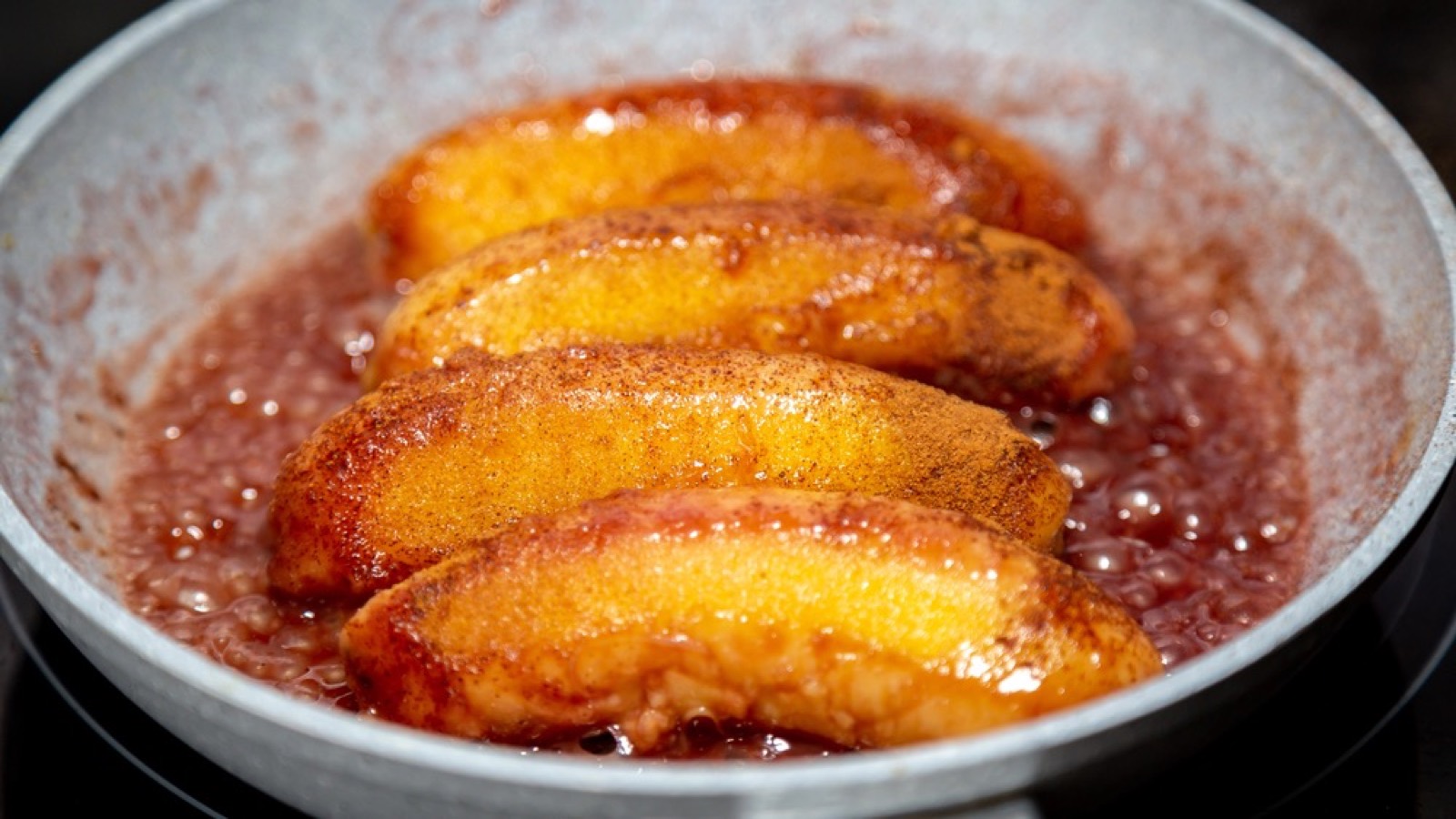
The flaming finale made it a crowd favorite. Waiters often tipped the pan so the flames rose high, earning gasps from diners. The dessert became one of the most famous in New Orleans.
Brennan’s still serves Bananas Foster tableside today. It is one of the few classic flaming desserts that remains easy to find in its original form.
4. Cherries Jubilee
Cherries Jubilee is credited to the famous French chef Auguste Escoffier, who is said to have created it for one of Queen Victoria’s jubilee celebrations in the late 1890s. The dessert features dark cherries cooked in a sweet syrup, then flamed with brandy or kirsch and served over vanilla ice cream.
In American restaurants of the 1950s and 1960s, Cherries Jubilee was a common tableside dessert. It was elegant, simple, and dramatic, and it was often ordered for celebrations.
Today, it is rare to see Cherries Jubilee on a restaurant menu. But many people who remember it say it was one of the most exciting desserts of their youth.
5. Crêpes Suzette
Crêpes Suzette is a French dessert made with thin crepes folded into a sauce of butter, sugar, and orange juice, then flamed with orange liqueur such as Grand Marnier. Its origins are debated, but one popular story credits a young waiter in Monte Carlo in the 1890s.
In American fine dining, Crêpes Suzette was a classic tableside dessert. Waiters prepared the orange sauce in a copper pan, then added the crepes and set them aflame. The aroma of oranges and caramelized sugar filled the dining room.
The dessert has become much less common, though some French restaurants still offer it. For many boomers, it is a reminder of the glamour of mid-century dining.
6. Chateaubriand Carved for Two
Chateaubriand was a thick cut from the center of the beef tenderloin, roasted and carved at the table for two diners. It was often served with béarnaise sauce and a selection of vegetables arranged around the platter. The dish was named after a nineteenth-century French writer and diplomat, François-René de Chateaubriand.
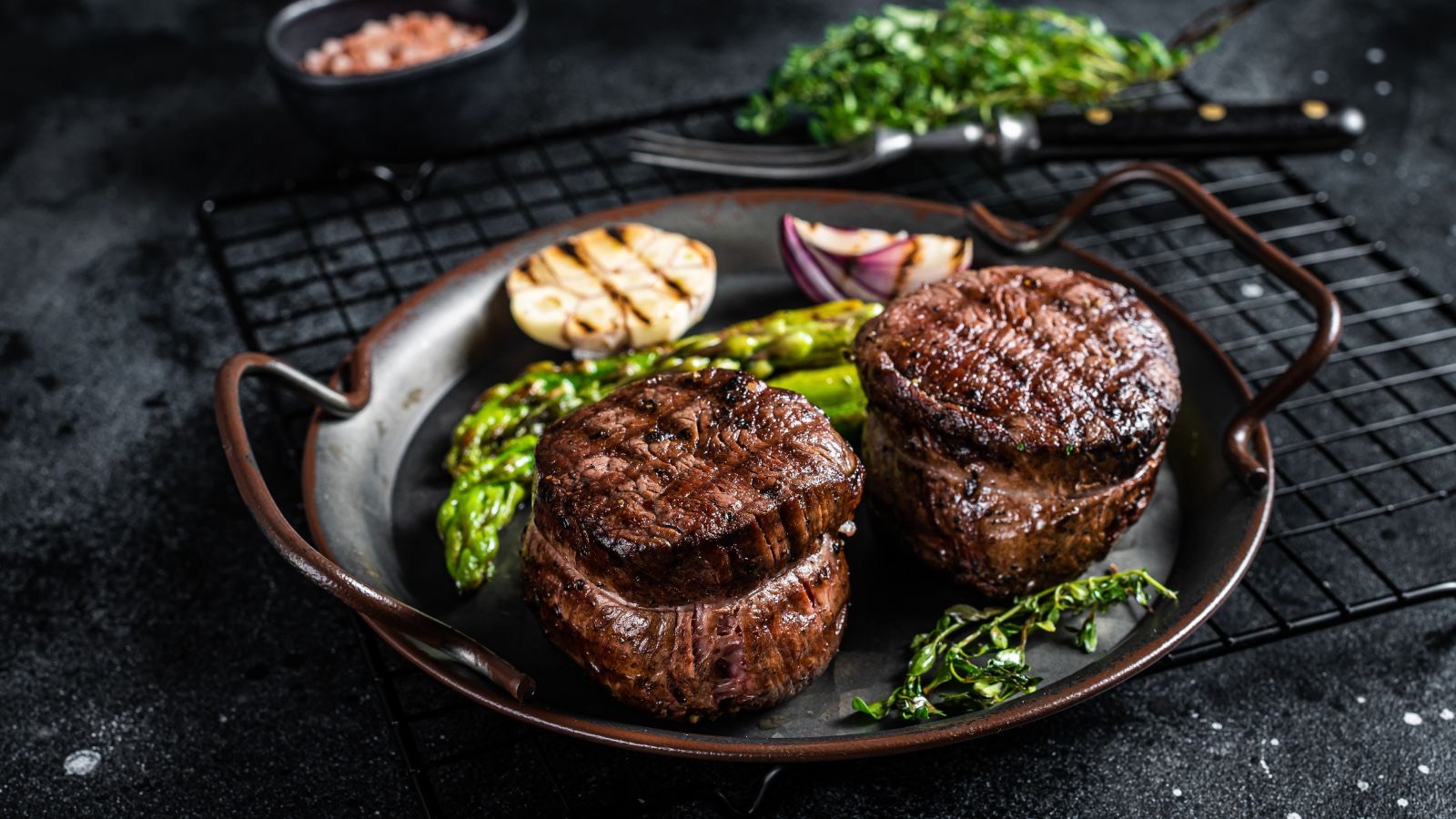
It was the ultimate romantic dinner for couples celebrating anniversaries or engagements. A waiter carved the meat with great ceremony, then served each plate. The presentation made diners feel like royalty.
Some upscale steakhouses still offer Chateaubriand, but tableside carving has become rare. Many diners now order individual steaks instead.
7. Baked Alaska
Baked Alaska is a dessert of cake and ice cream covered in fluffy meringue, then browned in a hot oven or with a torch. In some restaurants, it was doused with liquor and set on fire at the table for an extra dramatic presentation. The contrast between the cold ice cream and the warm meringue amazed diners.
The dessert is often linked to Delmonico’s restaurant in New York, which is said to have served it in the 1860s and 1870s to celebrate the U.S. purchase of Alaska. It became a favorite at fancy dinners and on cruise ships.
Baked Alaska has faded from many menus, though it still appears at special events. Its flaming tableside version is now mostly a memory.
8. Café Brûlot
Café brûlot is a flaming coffee drink associated with New Orleans. It is made by flaming brandy with orange peel, lemon peel, cinnamon, and cloves in a special bowl, then adding hot coffee. The drink is often credited to Antoine’s restaurant, one of the oldest restaurants in New Orleans.
Waiters ladled the flaming brandy high into the air, creating a dramatic show. The drink was served in small cups at the end of a long dinner. It was a perfect way to end a special evening.
Café brûlot is still served in a few historic New Orleans restaurants. Elsewhere, it is almost unknown.
Why Tableside Cooking Faded
Tableside cooking declined for several reasons. It required skilled waiters who knew how to cook, carve, and safely handle flames. It also took a lot of time, which meant fewer tables could be served in an evening. As restaurant costs rose, many owners decided it was not worth it.
Safety concerns also played a role. Flaming dishes carried a risk of fire, and some cities tightened rules on open flames in dining rooms. Casual dining chains, which became popular in the 1970s and 1980s, focused on speed and consistency instead of showmanship. Etiquette from that era appears in many lists of unwritten restaurant rules older diners know.
A Revival of the Old Show
In recent years, some restaurants have brought back tableside service as a way to stand out. Tableside guacamole, Caesar salads, and flaming desserts are appearing again in some upscale spots. Diners who want a memorable night out are often willing to pay for the experience.
For many boomers, the return of tableside cooking brings back happy memories of special nights out with family and friends. It is one of the simple pleasures in life we often overlook.
Which tableside dish do you remember most, and did you ever see a waiter set something on fire? Many readers still remember the first time they saw Bananas Foster go up in flames.