8 Popular Healthy Foods That May Be Wrecking Your Diet
Healthy eating should be straightforward, yet grocery packaging often complicates it. While front labels highlight protein, fiber, or “natural” ingredients, the ingredient list may reveal excess sugar, sodium, refined oils, fillers, or heavy processing that reduces nutritional value.
We need to evaluate these foods more critically. The FDA recommends a daily limit of 50 grams of added sugars for a 2,000-calorie diet. The CDC reports that Americans consume over 3,300 milligrams of sodium daily, exceeding the recommended maximum of 2,300 milligrams for teens and adults. Many “health foods” contribute significantly to these totals, often before midday.
Protein Bars

Protein bars are marketed as practical, fitness-friendly snacks. However, many rely on protein claims while containing chocolate coatings, syrups, palm oil, artificial flavors, and sweet binders. A bar with minimal protein and dessert-like ingredients is not necessarily a healthy choice.
An ideal protein bar provides substantial protein, some fiber, and limited added sugar. Look for ingredients like nuts, seeds, egg whites, whey, oats, or straightforward plant proteins, rather than fillers and sweeteners. If a bar contains more sugar than fiber and does not satisfy hunger, it is simply a sweet snack, not a nutritious option.
Bottled Protein Shakes That Make Processing Look Productive
Bottled protein shakes offer convenience for busy schedules and post-workout routines. However, many are heavily processed and contain artificial sweeteners, stabilizers, gums, and flavor additives, making them more similar to milkshakes than balanced meals. While useful in certain situations, they should not replace regular meals.
Bottled shakes should serve as a backup, not a primary source of nutrition. If your diet includes eggs, yogurt, chicken, fish, beans, lentils, tofu, nuts, or whole grains, additional liquid protein is often unnecessary. A homemade smoothie with plain Greek yogurt, milk or unsweetened soy milk, berries, oats, peanut butter, and chia seeds typically provides greater nutritional value, including protein, fiber, minerals, and healthy fats.
Granola Bars
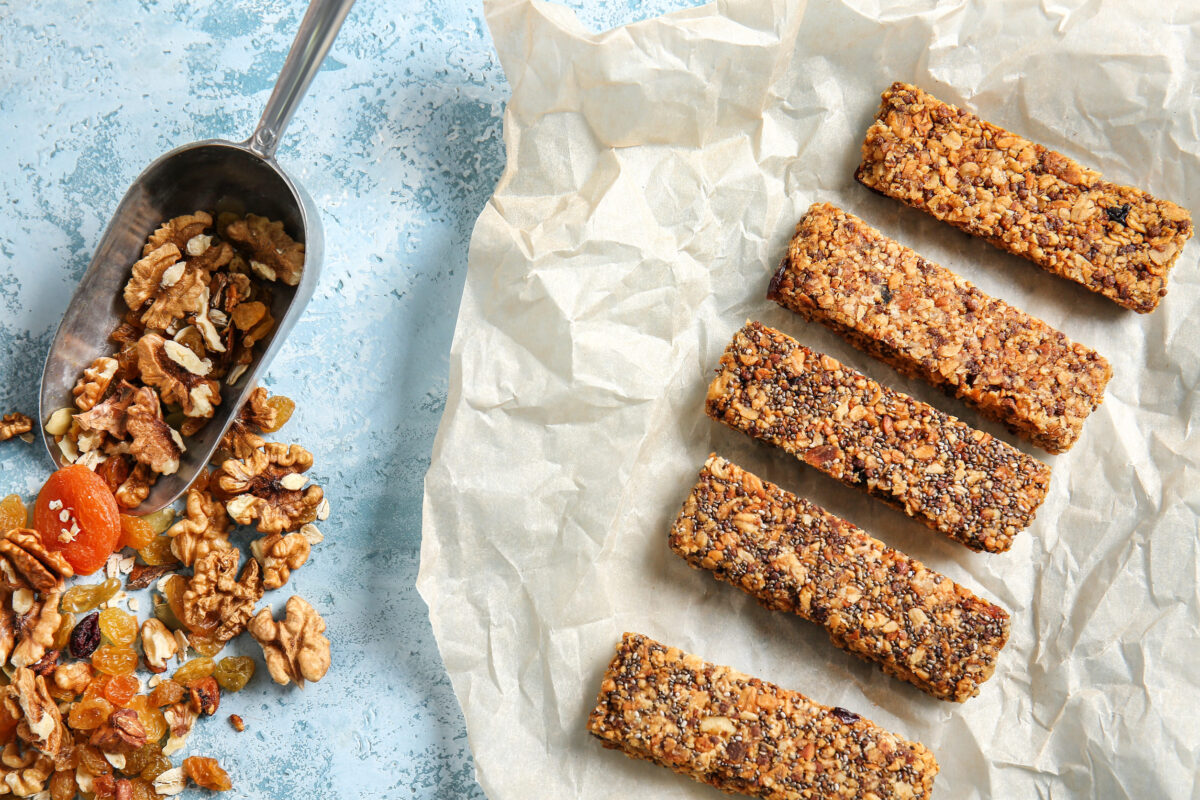
Granola bars appear wholesome due to visible oats, seeds, nuts, and dried fruit. However, many are bound with brown rice syrup, cane sugar, honey, chocolate chips, sweet coatings, and refined oils. When these ingredients predominate, the bar becomes more of a dessert than a nutritious snack.
The best granola bars contain whole grains, nuts, seeds, and fiber with minimal added sugar. Be cautious of bars that list sweeteners among the first ingredients. Harvard’s Nutrition Source notes that processed foods often become less healthy when sugar, salt, or fat are added to enhance taste and shelf life. This is how a simple oat bar can become a source of excess sugar.
Veggie Chips
Veggie chips sound like a clever upgrade from regular potato chips. The colors look vibrant, the packaging feels natural, and the Veggie chips are marketed as a healthier alternative to potato chips. However, many are primarily made from potato starch, rice flour, corn flour, oil, and salt, with minimal vegetable powder added for appearance. As a result, they are often processed snacks rather than genuine vegetable-based options. Real carrots, cucumbers, bell peppers, roasted chickpeas, popcorn, or whole-grain crackers can give us crunch with better nutritional value. If a product needs powdered spinach or beet dust to justify its “veggie” identity, we should read the label carefully before giving it credit it has not earned.
Trail Mix
Trail mix is beneficial when it consists mainly of nuts, seeds, and unsweetened dried fruit, as it provides healthy fats, minerals, fiber, and energy. However, adding chocolate candies, yogurt-covered raisins, sweetened dried cranberries, salted pretzels, sugary clusters, or flavored nuts can shift its nutritional profile closer to that of candy than to a healthy snack.
Portion control is important with trail mix, as nuts are calorie-dense and dried fruit is concentrated, making it easy to over consume. Review the first few ingredients and serving size on the label. If candy pieces and sweet coatings are prominent, the product is more of a dessert than a healthy snack.
Plant-Based Meats

Plant-based meat has a strong reputation because it sounds modern. Plant-based meats are often viewed as modern, ethical, and health-conscious options. Some products help reduce animal meat consumption and provide protein. However, plant-based does not always mean minimally processed. Many alternatives use isolated proteins, oils, flavor enhancers, binders, sodium, and texture agents to replicate the texture of traditional meat products. They can be lower in calories and saturated fat and cholesterol-free, but they may also be higher in salt, lower in protein quality, and lower in nutrients such as iron and vitamin B12.
That does not make every plant-based meat a bad option. It simply means we should not confuse processed imitation meats with whole plant proteins. Beans, lentils, chickpeas, tofu, tempeh, edamame, nuts, and quinoa usually offer a cleaner nutritional foundation.
Flavored Yogurts
Yogurt is a nutritious option when it contains protein, calcium, and live cultures. Plain Greek yogurt, for example, is a filling breakfast or snack. However, flavored yogurts with fruit syrups, cookie pieces, candy toppings, dessert flavors, and sweet mix-ins often contain high levels of sugar, making them more like desserts than healthy breakfast choices.
A healthier option is plain yogurt with fruit added at home. Berries, banana slices, cinnamon, chopped nuts, chia seeds, or a small amount of honey provide flavor without excess sugar. The American Heart Association recommends limiting added sugars to no more than 6% of daily calories, or about 6 teaspoons for most women and 9 teaspoons for most men. Flavored yogurt can quickly use up this allowance early in the day.
Bottled Green Juices
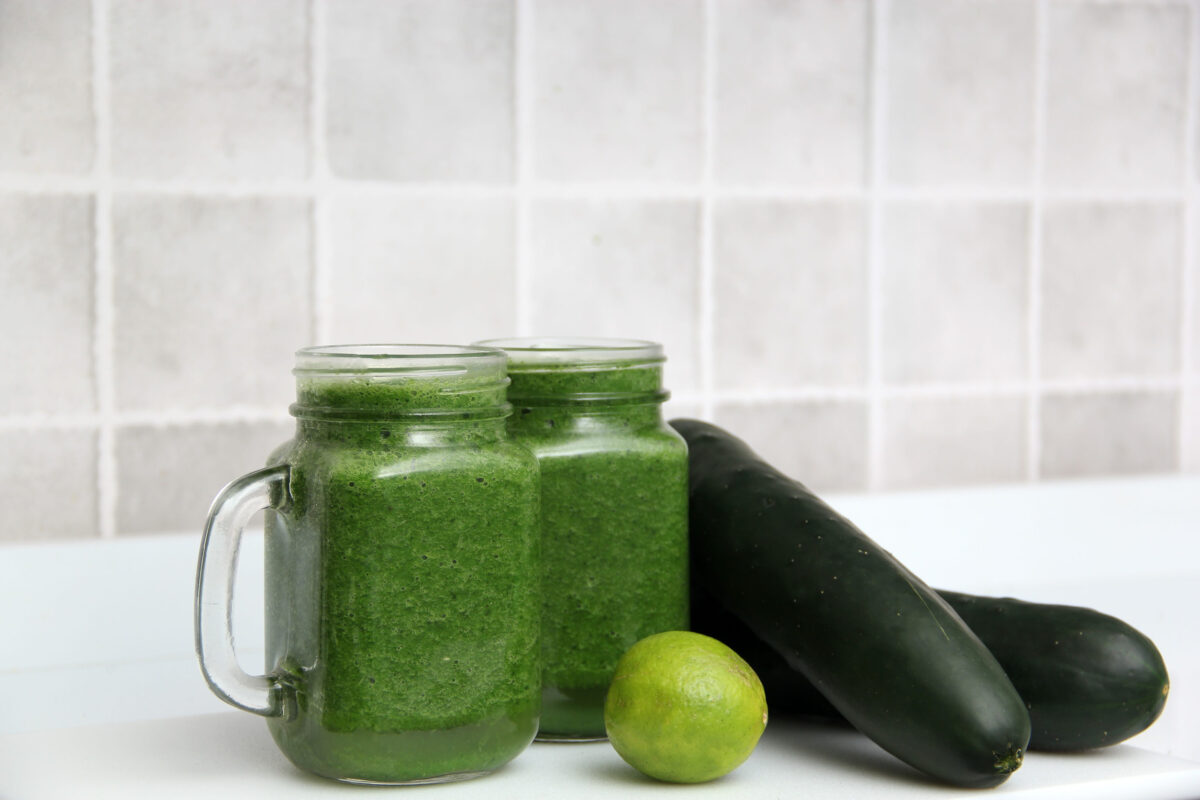
Green juice is often perceived as highly nutritious, with labels listing ingredients such as kale, spinach, celery, cucumber, apple, lemon, and ginger. However, juicing typically removes much of the fiber present in whole fruits and vegetables. Without fiber, these drinks are less filling and can deliver a rapid surge of sugar, especially when fruit juices dominate the blend.
Whole fruits and vegetables are preferable, as chewing helps promote satiety, and fiber supports fullness. A smoothie made with whole produce, protein, and seeds is often more nutritious than bottled juice. The FDA also warns that raw or unpasteurized juices may contain harmful bacteria unless properly treated. Green juice requires the same careful label review as any packaged beverage.
Conclusion
Misleading health foods are often ordinary, familiar, and attractively packaged. Protein bars, green juices, veggie chips, trail mix, granola bars, bottled shakes, plant-based meats, and flavored yogurts can be part of a balanced diet, but issues arise when marketing outweighs nutritional value.
There is no need to avoid packaged foods entirely. Instead, avoid relying on marketing claims. The front of the package is advertising, while the ingredient list and Nutrition Facts label provide objective information. By reviewing both carefully, grocery shopping becomes clearer and less influenced by marketing.