8 Reasons May the 4th Is Starting to Feel Like Brand Overload
May the 4th used to feel like a fan joke that escaped into the wider world. One clever phrase, one beloved galaxy, and one day where people could post lightsabers, quote Jedi wisdom, argue about favorite trilogies, and laugh at the same pun without shame. It was simple, nerdy, warm, and powered by people who genuinely loved the story.
Now, Star Wars Day feels bigger, louder, and far more commercial. The celebration is still fun, but it has also become a crowded marketing event filled with product drops, limited offers, themed collaborations, collectibles, tech deals, retail campaigns, and social media posts from brands trying to sound like lifelong fans.
StarWars.com’s 2026 merchandise guide alone highlights new collectibles, apparel, books, LEGO sets, bags, coffee products, and novelty items tied to May the 4th.
The Same Pun Is Carrying Too Much Weight

“May the Fourth be with you” is still a great line, but even great lines get tired when every company uses them at once. What started as a fan-friendly joke now shows up across emails, ads, captions, sale banners, push notifications, and social media posts until the charm begins to thin out.
The problem is not the pun itself. The problem is that brands lean on it too often without adding anything new. A funny phrase becomes less funny when it feels copied, scheduled, and approved by a marketing calendar six weeks earlier.
Every Product Suddenly Wants a Star Wars Connection
Star Wars has always had a strong merchandise culture, so products are not new to the fandom. Toys, posters, figures, costumes, books, games, and collectibles helped build the franchise into a cultural machine. The difference now is that almost every category seems eager to borrow the day for attention.
The 2026 Star Wars Day shopping cycle includes everything from games and LEGO sets to themed gadgets, bottles, ornaments, apparel, and home products. The Verge reported that this year’s deals cover video games, LEGO, movies, merchandise, Grogu-themed tech bundles, light panels, and more across major retailers.
The Deals Can Drown Out the Fandom

A good sale can make fans happy, especially when collectibles are expensive. But when every Star Wars Day post becomes a shopping prompt, the day starts to feel less like a celebration and more like a checkout lane with background music from John Williams.
LEGO’s official Star Wars Day page shows how deeply retail has become tied to the date, with early access for LEGO Insiders, limited gifts with purchase, discounts, and loyalty point offers running through the May the 4th period.
For serious collectors, that can be exciting. For casual fans, it can make the day feel like a long, pressure-filled campaign to buy before supplies run out.
Brands Keep Acting Like Fans, but Not Always Convincingly
The best brand posts work when the company understands the fandom and adds something playful, useful, or genuinely clever. The worst ones feel like a corporation put on a cheap Jedi robe and asked, “How do you do, fellow rebels?”
That kind of forced participation is why May the 4th can feel exhausting. Fans know the difference between a brand that belongs in the conversation and a brand that is only there because the hashtag is trending.
Star Wars Day becomes less fun when every feed feels crowded with companies trying to squeeze themselves into a galaxy they barely understand.
Grogu Is Becoming the Default Marketing Button

Grogu remains one of the most marketable characters in modern Star Wars. He is cute, instantly recognizable, family-friendly, and easy to place on products that range from toys to clothing to accessories. That makes him perfect for brands, but also dangerously overused.
Bath & Body Works joined the Star Wars Day wave with a Mandalorian and Grogu-themed collaboration, including early access items for rewards members and a larger product collection set to follow. The collaboration may delight fans who love playful, themed products, but it also shows how far the franchise now extends into everyday consumer categories.
Nostalgia Is Starting to Feel Like a Sales Strategy
Star Wars nostalgia is powerful because people not only remember the movies but also feel a sense of belonging. They remember childhood toys, family viewings, theater lines, Halloween costumes, bedroom posters, and arguments over which trilogy mattered most. That emotional history gives the franchise unusual staying power.
The risk is that nostalgia gets harvested too aggressively. When every brand tries to turn memory into a discount code, the emotional magic can feel thinner. Fans want to feel connected to a story, not constantly reminded that their affection has been carefully studied, packaged, and monetized.
Social Media Turns Celebration Into Noise
Star Wars Day was easier to enjoy when the internet felt smaller. Now, on May the 4th, platforms flood with memes, rankings, reactions, clips, ads, sponsored posts, fan edits, brand jokes, sale alerts, and arguments about the franchise’s direction. The result is energetic, but also overwhelming.
That noise can make even loyal fans step back. Instead of enjoying one joyful day of fandom, people get hit with a full content storm. The fun is still there, but users have to scroll through a lot of promotional fog to find it.
The Brand Overload Makes Real Fan Moments Harder to See
The saddest part of May the 4th brand overload is that it can bury the best part of the day. Real fans still make art, share memories, revisit favorite scenes, build LEGO sets with their kids, wear old shirts, debate characters, and introduce younger viewers to the franchise. Those moments are sincere, and they are the reason the day matters.
But when the commercial machine gets too loud, those smaller fan moments struggle for space. The fandom becomes surrounded by marketing noise. Star Wars Day still belongs to the fans, but every year, it feels like they have to share more of it with brands that arrived carrying coupon codes.
Why May the 4th Still Matters
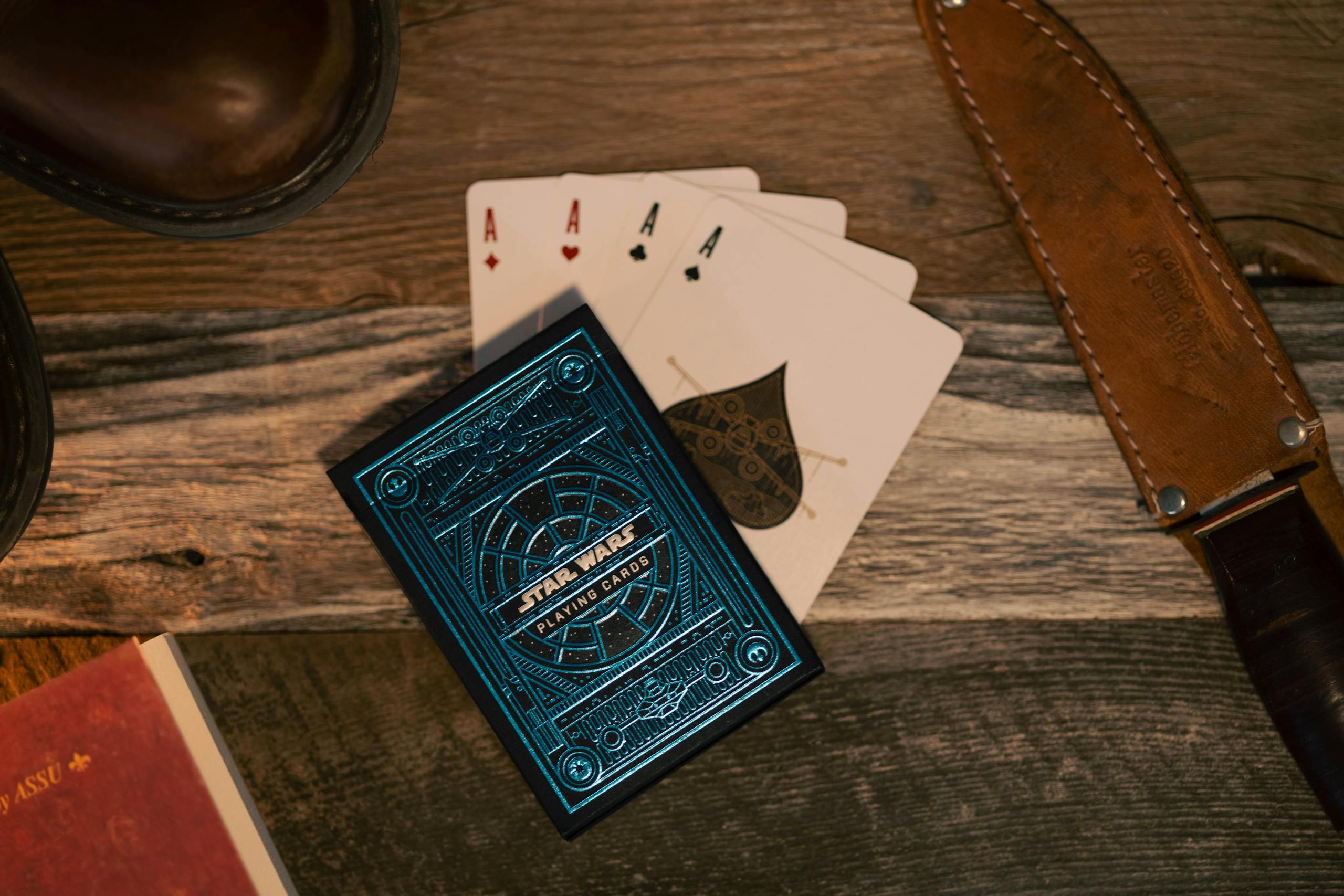
May the 4th is not ruined. It still has charm, humor, and emotional value because Star Wars remains one of the rare stories that connects generations. Parents, kids, collectors, gamers, casual viewers, and lifelong fans can all find something to enjoy in the same universe.
The issue is balance. Star Wars Day works best when brands support the celebration rather than swallow it. A thoughtful product, a good deal, or a clever campaign can add to the fun. A flood of empty posts and forced tie-ins can make the whole day feel less like fandom and more like a mall wearing a Jedi cloak.
Conclusion
May the 4th is starting to feel like brand overload, with the celebration becoming too crowded with sales, products, collaborations, and predictable corporate jokes. The fandom is still alive, but it now has to compete with a marketing machine that knows exactly how valuable nostalgia can be.
The best version of Star Wars Day is still simple. Let fans laugh at the pun, revisit the movies, share their favorite characters, and enjoy the galaxy without turning every moment into a shopping event. The Force is strong enough on its own. It does not need every brand in America trying to sell a candle, hoodie, headset, or collectible to prove it.