8 Smart Freezer Organization Tricks to Make Room for Holiday Groceries
The holidays are coming, and suddenly, your freezer seems smaller than ever. Between frozen vegetables, leftover dinners, holiday desserts, and the turkey you’re planning to buy, finding room for everything can turn into a frustrating game of Tetris.
But before you start dreaming about buying another freezer, take a closer look at how you’re using the one you already have.
A few simple changes can help you organize frozen foods, eliminate unnecessary packaging, and make holiday meal preparation much easier. Here are eight practical tricks worth trying before your next big grocery run.
Check What’s Hiding in Your Freezer
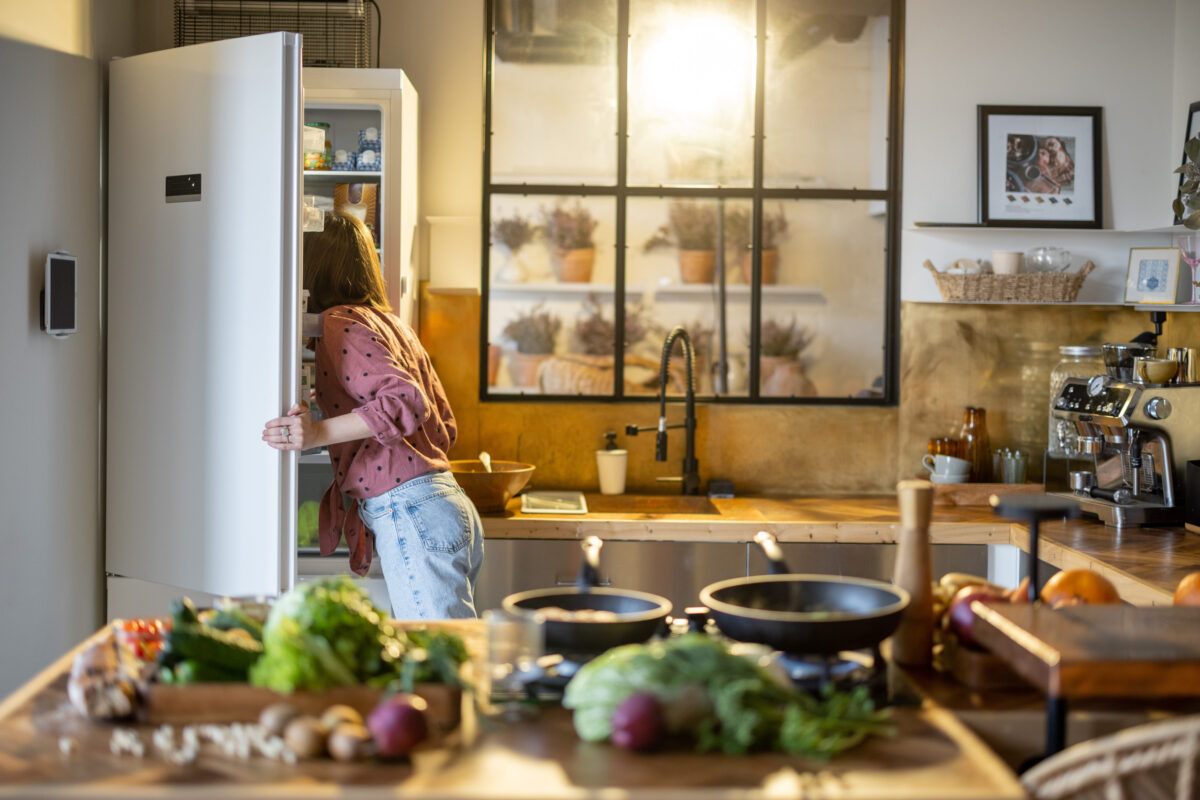
When was the last time you looked through everything in your freezer? If you can’t remember, now is the perfect opportunity.
Start by checking one shelf or drawer at a time. You might discover forgotten vegetables, duplicate packages of meat, or leftover soup that could become dinner this week.
Write down what you find, including freezing dates when available. The National Center for Home Food Preservation recommends keeping an inventory and arranging older foods so they’re used first.
Plan a few meals around what you already have before buying more. Just remember that passing a recommended freezer storage period doesn’t automatically make properly handled, continuously frozen food unsafe.
Related: Organizing Your Freezer: 5 Easy Steps
Freeze Soups and Sauces in Flat Bags
Bulky containers can take up valuable freezer space, especially when they’re only half full.
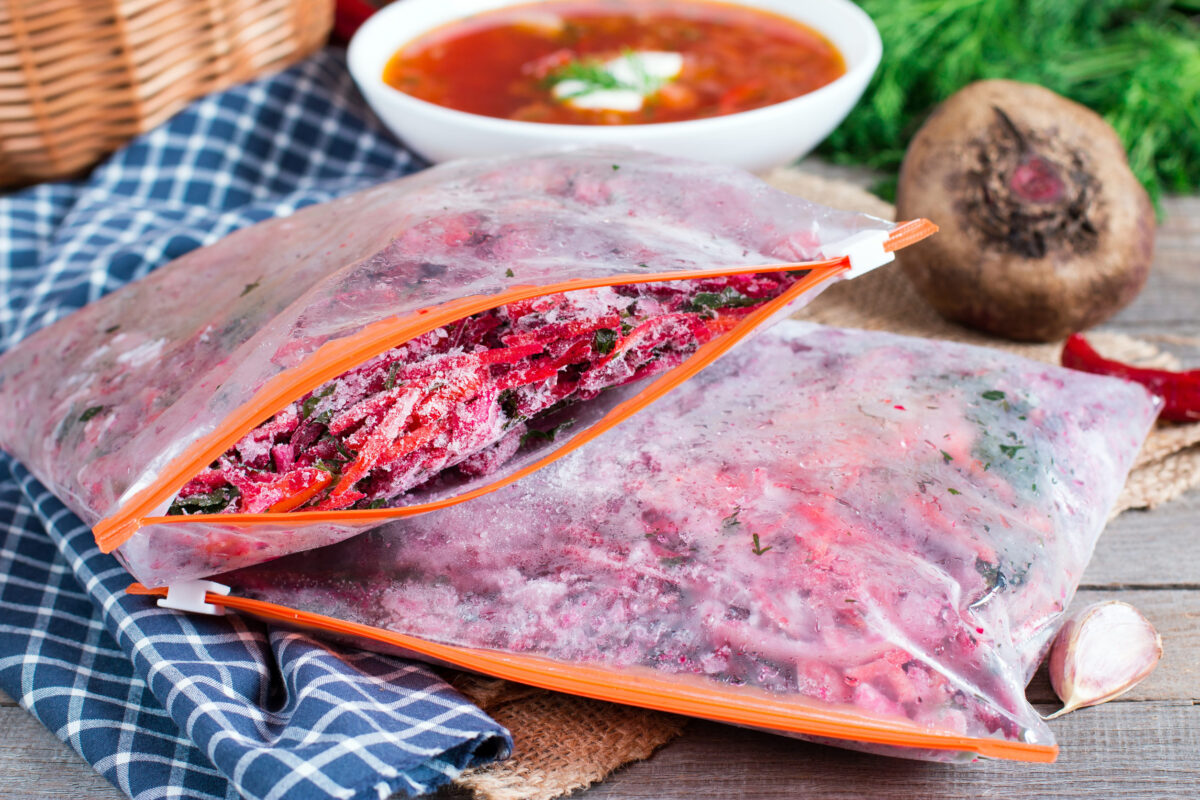
For suitable foods like broth, soup, and tomato sauce, try using freezer-rated bags instead. Cool cooked food promptly, portion it into bags, remove excess trapped air, and leave enough room for expansion.
Place the sealed bags flat on a tray until completely frozen. Once solid, you can stack them or stand them upright like books.
This approach makes smaller portions easier to organize and retrieve. Just avoid using it for fragile foods or items that could puncture the packaging.
Remove Unnecessary Cardboard Boxes
Take a look at the frozen foods you recently purchased. Are some of them sitting inside oversized cardboard cartons?
Certain products come with protective inner packaging and an additional outer box. When the inner packaging adequately protects the food, removing the unnecessary carton may help reduce storage bulk.
However, don’t automatically throw away every box. Some packaging provides essential protection, cooking instructions, or product identification.
Keep important preparation directions, dates, and identifying information before discarding any outer packaging. The goal is to remove unnecessary bulk without compromising proper storage.
Choose Containers That Actually Fit
Not every food needs a giant plastic container. Sometimes, the container itself takes up almost as much room as the leftovers inside.
Instead of reaching for the largest available tub, choose freezer-safe containers that match the amount of food you’re storing.
Smaller, meal-sized portions are often easier to arrange than one enormous container. Stackable designs can also make better use of existing shelves.
Rectangular containers may fit certain freezer layouts better than round ones, although the advantage depends on their actual dimensions.
Before purchasing new containers, measure your freezer shelves and drawers. There’s no point buying a beautiful organizing set that barely fits inside.
Give Every Type of Food Its Own Zone
A freezer becomes frustrating when everything gets tossed wherever there’s an opening.
One day, your vegetables are beside the ice cream. The next, they’re buried underneath three packages of chicken.
Try assigning specific areas to different food categories. Keep vegetables together, designate another section for meat, and reserve space for prepared meals and leftovers.
Use existing baskets or shelves before buying additional organizers. Chest freezers may benefit from labeled baskets, while freezer drawers often work well with upright packages.
Keep frequently used items accessible and make sure nothing blocks required air vents.
Label Everything Before Freezing
That mystery container at the back of your freezer might contain chili, tomato sauce, or something you made months ago.
Avoid the guessing game by labeling foods before putting them away.
Write the contents, portion size, and freezing date on each package. For flat freezer bags, position the label where you’ll be able to read it once the package is stacked or stored upright.
You can also maintain a simple freezer inventory on your phone or a sheet of paper attached nearby.
Knowing exactly what’s available makes it easier to plan meals and avoid buying ingredients you already have.
Related: Union Report Warns Electronic Shelf Labels Could Raise Grocery Prices, Cut Jobs
Freeze Holiday Foods in Smaller Portions
Preparing holiday meals ahead of time can make entertaining easier, but storing everything in large serving dishes isn’t always practical.
Instead, divide suitable foods into portions that match how your household expects to use them.
Broth, certain sauces, baked goods, and many prepared dishes can be stored in manageable packages when properly prepared and wrapped.
Some casseroles can also be frozen according to recipe-specific instructions. However, not every dish freezes well. Custard fillings, meringues, and some creamy preparations can lose their original texture.
Smaller portions can also help you retrieve only what you need without taking out an entire batch.
Remember to cool cooked foods promptly and use packaging designed for freezer storage.
Make a Holiday Freezer Schedule
Here’s one trick people often overlook: Planning what goes into your freezer is just as important as organizing what’s already there.
Think about when you’ll purchase your turkey, prepare make-ahead dishes, and need room for leftovers.
According to USDA guidance, a frozen turkey generally needs about 24 hours of refrigerator thawing for every four to five pounds, with the refrigerator kept at 40°F or below.
Scheduling that move helps you plan your freezer and refrigerator space before the big meal.
Also, avoid filling every available corner with newly prepared food at once. Freshly added foods need adequate airflow to freeze promptly, and appliance vents should remain unobstructed.
Finally, reserve some space for holiday leftovers. Store perishable leftovers promptly, using shallow containers to help them cool.
A little planning means you won’t have to reorganize your entire freezer when everyone heads home after dinner.
Your freezer doesn’t have to become a holiday storage nightmare. With smarter packaging, a simple organizing system, and a little preparation, you can make better use of the space you already have.