8 Ways to Keep Your Home Cozy Without Turning Up the Thermostat
You do not have to crank the heat to make your house feel warm this winter. The coziest homes usually rely on a handful of small habits: letting the sun in during the day, holding warm air in at night, stopping drafts at doors and windows, and layering soft textiles where you sit and sleep.
Most of these ideas cost little or nothing, and several come straight from the U.S. Department of Energy and ENERGY STAR. Here are eight easy ways to keep the house snug while leaving the thermostat right where it is.
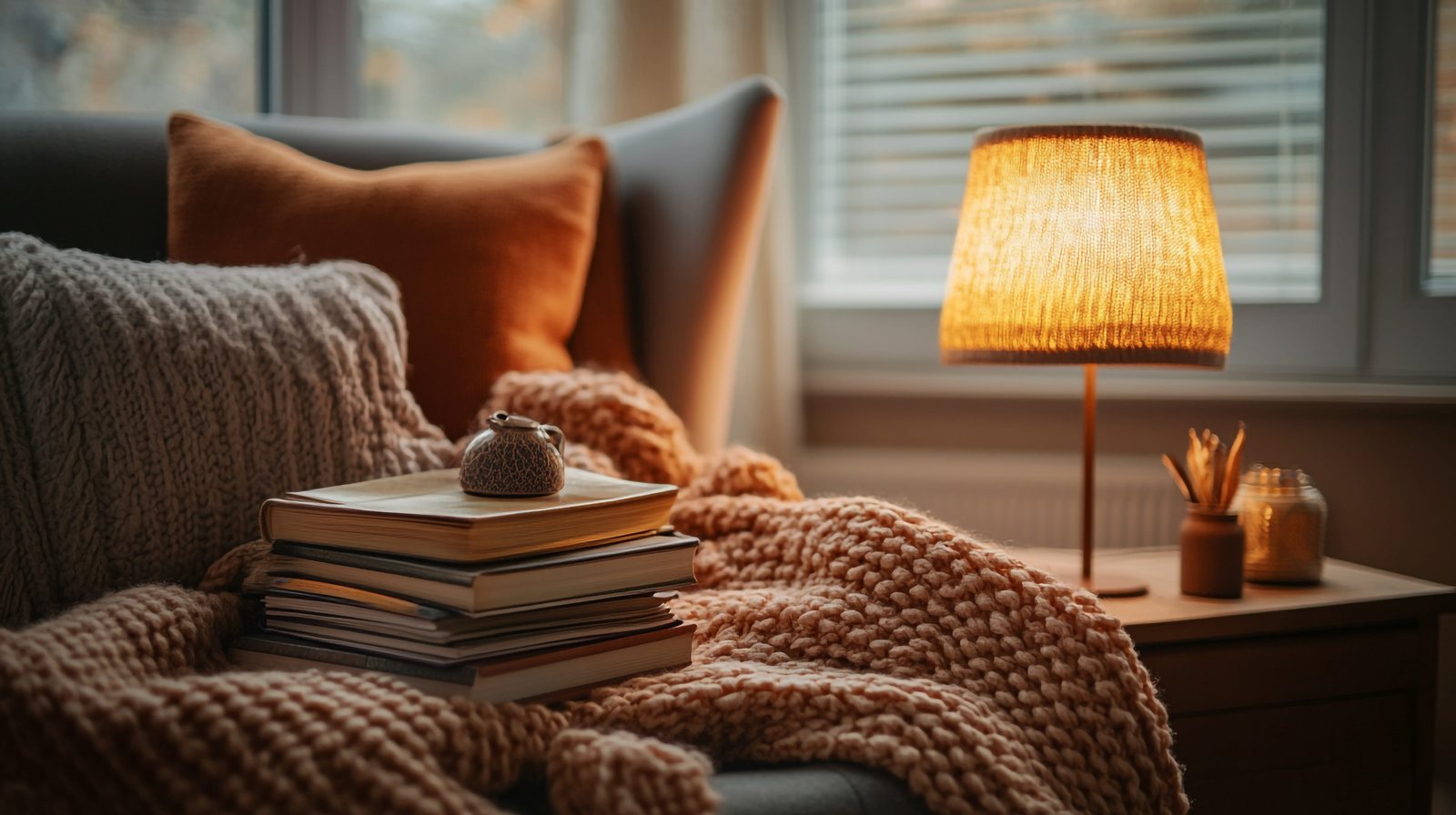
1. Work Your Curtains Like Grandma Did
Window coverings are one of the cheapest comfort tools in the house. In its simple steps to save energy in winter, the Department of Energy says about 30% of heating energy is lost through windows, and it recommends opening shades or curtains during the day to let sunlight in and closing them at night.
It is an old-fashioned routine, the kind of thing that shows up on lists of Boomer habits that are making a comeback. Open the south-facing curtains after breakfast, then pull everything closed as soon as the sun drops.
2. Stop the Drafts at Doors and Windows
If you can feel a cold breeze near the front door, warm air is slipping out. The Department of Energy explains that weatherstripping is meant for moving parts like doors and windows that open, while caulk is better for gaps that do not move. It also suggests a door sweep or threshold at the bottom of exterior doors.
In a pinch, a rolled towel or fabric draft stopper along the bottom of a door helps until you get to the hardware store. For the bigger cold-weather jobs, our checklist of things to handle before the first freeze is a good place to start.
3. Flip the Switch on Your Ceiling Fan
Warm air rises and collects near the ceiling, which is why the top of a room can feel toasty while your feet stay cold. ENERGY STAR’s ceiling fan guidance says that in winter you should run the fan at low speed in the clockwise direction, creating a gentle updraft that pushes warm air down into the room.
Most fans have a small switch on the motor housing to change direction. ENERGY STAR also reminds homeowners to turn the fan off when they leave the room.
4. Close the Fireplace Damper
A fireplace adds charm, but an open damper is like leaving a window cracked. The Department of Energy lists keeping the damper closed when no fire is burning as its first fireplace tip, since an open damper lets drafts and heat loss reach the rest of the house. It also recommends having the chimney inspected every year before cold weather sets in.
5. Layer Rugs Over Bare Floors
Hard floors can feel icy in January, even when the air is comfortable. An area rug in the living room, a runner in the hallway and a soft mat beside the bed put a warm layer between your feet and the floor. Thrift stores are great places to find thick wool or braided rugs, the kind that belong on any list of nostalgic items everyone had 30 years ago.
Planning a winter movie night? A rug and a pile of floor pillows pair nicely with a well set up home theater. And if you are wondering how warm the house really needs to be, our look at whether 68 degrees is still the best winter thermostat setting walks through the numbers.

6. Bundle Up the Comfortable Way
This one sounds obvious, but it works. The Department of Energy’s winter tips point out that wearing layers and using blankets lets you keep the thermostat lower, and that this simple step does not cost a penny. Keep a basket of throws by the couch, slip on wool socks and make a cozy cardigan part of your evening routine.
At bedtime, flannel sheets and an extra quilt make a big difference. Many families swap their cotton sheets for flannel around Thanksgiving and leave them on until spring.
7. Let the Kitchen Share Its Warmth
Winter is the season for soups, stews, casseroles and homemade bread, and all that cooking warms the kitchen naturally. The Department of Energy suggests letting leftover heat from ovens, dishwashers and bathwater spread into the room after use. It also cautions that appliances can be unsafe if used as a main heat source, so think of this as a bonus, not a heating plan.
A pot of chili on a Sunday afternoon or a batch of cookies after dinner makes the house smell wonderful and feel a little warmer.
8. Keep Your Heating System in Good Shape
A furnace that runs well delivers heat more evenly. The Department of Energy recommends a regular maintenance schedule for heating systems and checking whether your furnace filters can be cleaned and reused or need replacing. It is also worth walking through the house to make sure furniture, curtains and boxes are not blocking vents or radiators.
A warm, welcoming home in winter is less about the number on the thermostat and more about the little things you do every day. Pull the curtains at dusk, tuck a draft stopper against the door, reach for the flannel and let a pot of soup simmer on the stove. Put a few of these habits together and the whole house will feel cozier all season long.