9 Backyard Food Rules Homeowners Break Without Knowing It
Backyards are supposed to be the easy part of home life. Grow a few vegetables, keep some chickens, fire up the grill, maybe add a compost pile, and call it a productive Saturday.
Then local rules enter the chat.
Some everyday backyard activities come with surprisingly specific limits, especially when food, animals, fire, wildlife, or water are involved. The tricky part is that these are not nine nationwide laws. Some are city rules, some are state requirements, and others are federal food-safety recommendations. That means what is perfectly legal in one backyard may need a permit, registration, or a rethink somewhere else.
Here are nine backyard food rules homeowners can easily overlook.
Keeping Chickens Does Not Always Mean Keeping Roosters
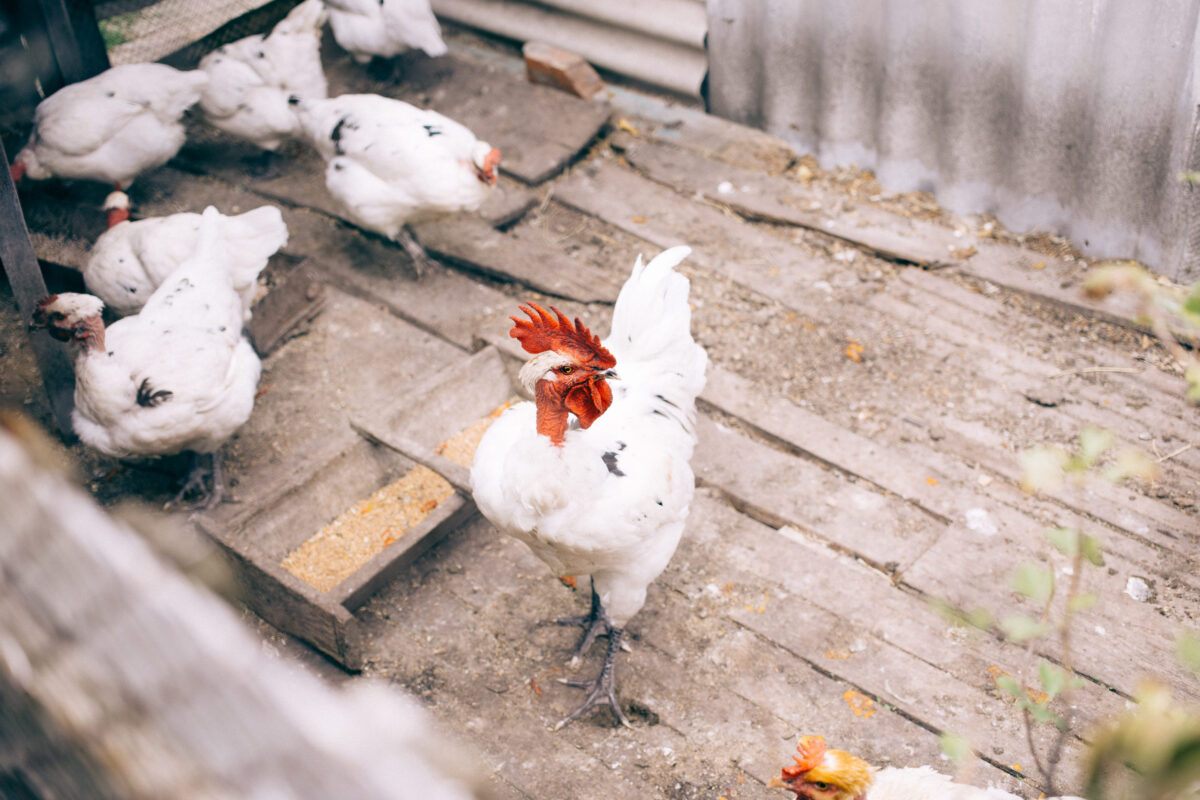
A city saying chickens are allowed does not necessarily mean every kind of chicken is welcome.
Seattle, for example, allows up to eight domestic fowl on ordinary lots, but prohibits roosters. Larger properties have different provisions, so this is not a universal eight-bird limit for every home.
This is the sort of rule that can catch new chicken owners off guard. You buy chicks, one grows up to be a rooster, and suddenly your peaceful backyard hobby has a zoning problem.
The bigger lesson is simple: check your municipal animal code before building the coop.
Selling a Few Eggs Can Still Count as a Business
A cooler full of fresh eggs at the end of the driveway may feel informal, but California doesn’t treat small egg sales that casually.
The California Department of Food and Agriculture says small-flock owners and people selling eggs must register as egg handlers. The agency even addresses children selling eggs as a hobby and says there are no exemptions to the registration requirement for egg handlers.
California lists a $75 new-registration fee and a $50 renewal fee. Shell eggs covered by the program must also be kept at 45°F or colder.
So yes, even a tiny neighborhood egg operation deserves a rules check.
Homegrown Salsa Is Not Automatically a Cottage Food
You grew the tomatoes yourself. You made the salsa in your own kitchen. Surely that makes it a cottage food, right?
Not necessarily.
California allows cottage-food businesses to sell only approved categories of non-potentially hazardous foods. The state’s cottage-food guidance specifically excludes salsa, and products such as pickles, acidified chutneys, refrigerated desserts, and certain canned foods do not qualify under the program.
That does not mean every homemade canned product is illegal under every possible food-business system. It means you can’t simply sell these foods under California’s cottage-food authorization.
“Homegrown” and “approved for sale” are two very different things.
A Compost Pile Can Become a Nuisance
Composting sounds like one of the most responsible things you can do with food scraps. It can also become a rodent buffet if you manage it poorly.
Portland, Oregon, requires property owners to deal with conditions that provide rats with food, shelter, or breeding areas. Its nuisance code allows maintained compost piles, but only when they don’t create problems like rat harborage.
EPA guidance recommends burying food scraps in the pile and avoiding meat, dairy, and greasy foods in ordinary backyard compost.
So the issue is not compost itself. It is the accidental backyard restaurant you may be opening for rodents.
Leaving Food Out for Wildlife Can Cross a Legal Line
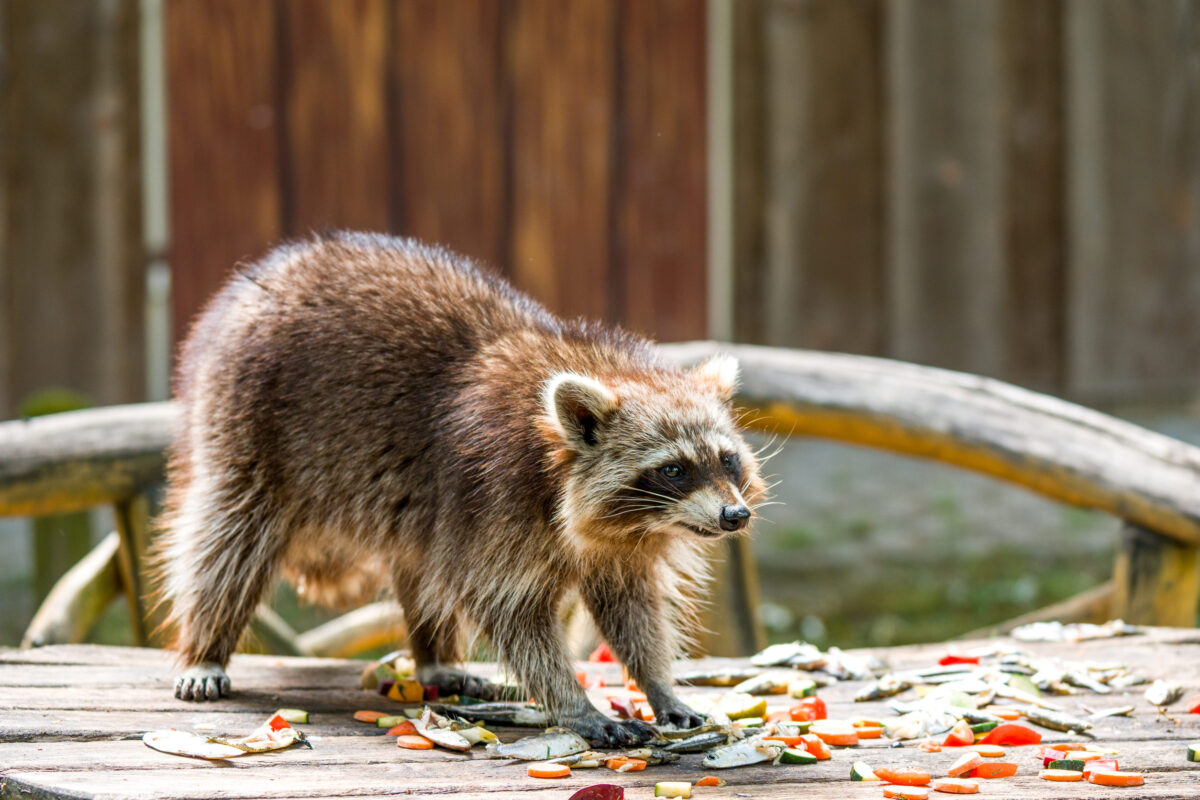
Putting leftovers outside for raccoons may seem harmless. In some places, it can create legal trouble.
Florida wildlife rules address feeding certain species and can also cover food or garbage placed in ways that attract bears, coyotes, foxes, or raccoons. Bear-related rules distinguish intentional feeding from accidental attraction, and prior written notification matters in some nuisance situations.
The important distinction is that “feeding wildlife” can mean more than handing an animal food directly.
An overflowing trash can may be doing the feeding for you.
Grill Rules Depend on the Type of Home
That internet rule saying every grill must be 10 or 15 feet from a house? It is too simple.
Fairfax County, Virginia, restricts certain open-flame cooking devices near combustible construction and on balconies or decks. But detached one- and two-family homes and townhouses are specifically exempt from the cited restriction.
Ash disposal is another issue. Hot ashes, cinders, and smoldering coals cannot simply be dumped into a combustible container.
In other words, the grill may be finished with dinner before the fire risk is finished with you.
Cookout Food Cannot Sit Outside All Afternoon
This one is not usually a backyard “law,” but it is important federal food-safety guidance.
FDA and USDA guidance says cold food should stay at 40°F or below and hot food at 140°F or above. Perishable food should not remain without safe temperature control for more than two hours. When the outdoor temperature is above 90°F, that limit drops to one hour.
That bowl of chicken salad sitting politely in the shade is still on the clock.
FDA also advises keeping raw meat separate and never putting cooked food back onto an unwashed plate that previously held raw meat.
Backyard Beehives May Need Registration
A hobby hive is still a hive.
New York City requires beekeepers to register within 30 days of establishing a hive and renew annually, with notice due by May 31. Changes in colony number or hive location must also be reported within 10 business days.
The city also requires adequate water and hive placement that does not create a nuisance or interfere with pedestrians.
Apparently, even bees need paperwork.
Related: Incredible Backyard Discoveries: Unveiling 7 Hidden Wonders Right Outside Your Door
Rain Barrels Can Have Limits Too

Colorado allows qualifying residential properties to collect rooftop rainwater without a Division of Water Resources permit, but there are conditions.
The ordinary allowance permits two rain barrels with a combined storage capacity of up to 110 gallons. The water must come from the roof of a qualifying residential building and be used outdoors on the same property.
Here is the part people often misunderstand: 110 gallons is the storage limit, not the total amount you may collect in a year. You can fill and refill the barrels throughout the year.
Related: Best Ways to Save Water on Your Lawn and Garden During Dry Weather
Check Before You Build, Sell, Feed, or Store
Backyard rules can be surprisingly local. Seattle poultry limits don’t automatically apply in Atlanta, and Colorado rain-barrel rules don’t tell you what is allowed in New Jersey.
Before adding chickens, selling homemade food, keeping bees, collecting rainwater, or building the world’s most ambitious compost pile, check your city, county, and state rules.
A few minutes of research can save you from discovering the regulations only after your rooster starts announcing the problem to the entire neighborhood.