9 Budget Dinners Grandma Made That Still Help Stretch a Grocery Bill
Grandma knew how to feed a family when money was tight. She didn’t have meal kits, delivery apps, or a freezer full of convenience foods. What she had was a pantry of basics, a few good pots, and a talent for turning cheap ingredients into meals that left everyone full.
Many of her budget dinners came from hard times like the Great Depression and the war years, when wasting food was unthinkable. They were simple, hearty, and built around potatoes, beans, rice, and small amounts of meat. With grocery bills still painfully high, these old recipes are worth another look. Here are nine budget dinners Grandma made that can still help stretch a grocery bill today.
1. Pinto Beans and Cornbread
A pot of pinto beans simmered with an onion and a ham hock was one of Grandma’s most dependable meals. Served with a skillet of hot cornbread, it was filling, cheap, and comforting. In many Southern and Appalachian homes, it was a weekly supper.
Dried beans are still one of the most affordable sources of protein in the grocery store. A one-pound bag can feed a family for more than one meal. Leftover beans can be mashed into refried beans or stirred into soup the next day.
2. Potato Soup
Potato soup was a staple whenever money was short. Grandma simmered diced potatoes and onions in milk or broth, then thickened it with a little flour and butter. A sprinkle of cheese or bacon bits made it feel like a treat.
Potatoes remain one of the cheapest vegetables around, especially when bought in large bags. A big pot of potato soup can feed a family for just a few dollars. It also reheats well, which makes it perfect for lunches during the week.
3. Salmon Patties
Salmon patties, sometimes called salmon croquettes, were a popular weeknight meal for generations. Grandma mixed canned salmon with crushed crackers, an egg, and chopped onion, then fried the patties in a skillet. They were often served with creamed peas or mashed potatoes.

Canned salmon is usually much cheaper than fresh fish and keeps for a long time in the pantry. It is also a good source of protein and omega-3 fats. The soft bones in canned salmon add calcium, and they mash right into the mixture.
Salmon patties are also easy to make ahead. The mixture can be shaped into patties in the morning and refrigerated until dinner. Many families serve the leftovers cold the next day on a sandwich with a little mayonnaise and lettuce.
4. American Goulash
American goulash is very different from the Hungarian dish with the same name. Grandma browned ground beef with onions, then added macaroni, canned tomatoes, and seasoning. Some regions call it chili mac or American chop suey.
A single pound of ground beef could feed a large family when stretched with pasta and tomatoes. It cooks in one pot, which saves time and cleanup. Leftovers taste even better the next day after the flavors have time to blend.
5. Cabbage and Noodles
Cabbage and noodles, known as haluski in many Eastern European families, is cheap and surprisingly delicious. Sliced cabbage and onions are fried slowly in butter until sweet and golden, then tossed with egg noodles. Some cooks add a bit of bacon or kielbasa.
Cabbage is one of the best bargains in the produce section. A single head is inexpensive, lasts a long time in the refrigerator, and can feed several people. This dish proves that a few simple ingredients can make a comforting dinner.
6. Chicken and Rice
Chicken and rice was a popular way to make a small amount of meat go further. Grandma baked chicken pieces on top of rice with broth or a can of cream soup. The rice soaked up all the flavor as it cooked.
Using bone-in chicken thighs or drumsticks keeps the cost down even more. Rice is cheap and stretches the meal to feed more people. It is a simple casserole that many families still make on busy weeknights.
Some cooks add frozen peas, broccoli, or carrots to the casserole to make it a complete meal in one dish. Others stir in a handful of cheese before baking. It is a flexible recipe that welcomes whatever happens to be in the refrigerator.
7. Hamburger Gravy Over Mashed Potatoes
Hamburger gravy was a frugal favorite in many working-class homes. Ground beef was browned, then simmered in a simple gravy made with flour, milk, or broth. It was spooned over mashed potatoes, toast, or biscuits.
This dish makes a little meat feel like a hearty meal. It is quick to make and uses ingredients most people already have. Many people who grew up with it still crave it on cold nights.
8. Potato and Egg Skillet
When the refrigerator was nearly empty, Grandma could always make potatoes and eggs. She fried diced potatoes and onions in a cast-iron skillet until crispy, then cracked eggs right over the top. It was fast, filling, and delicious.
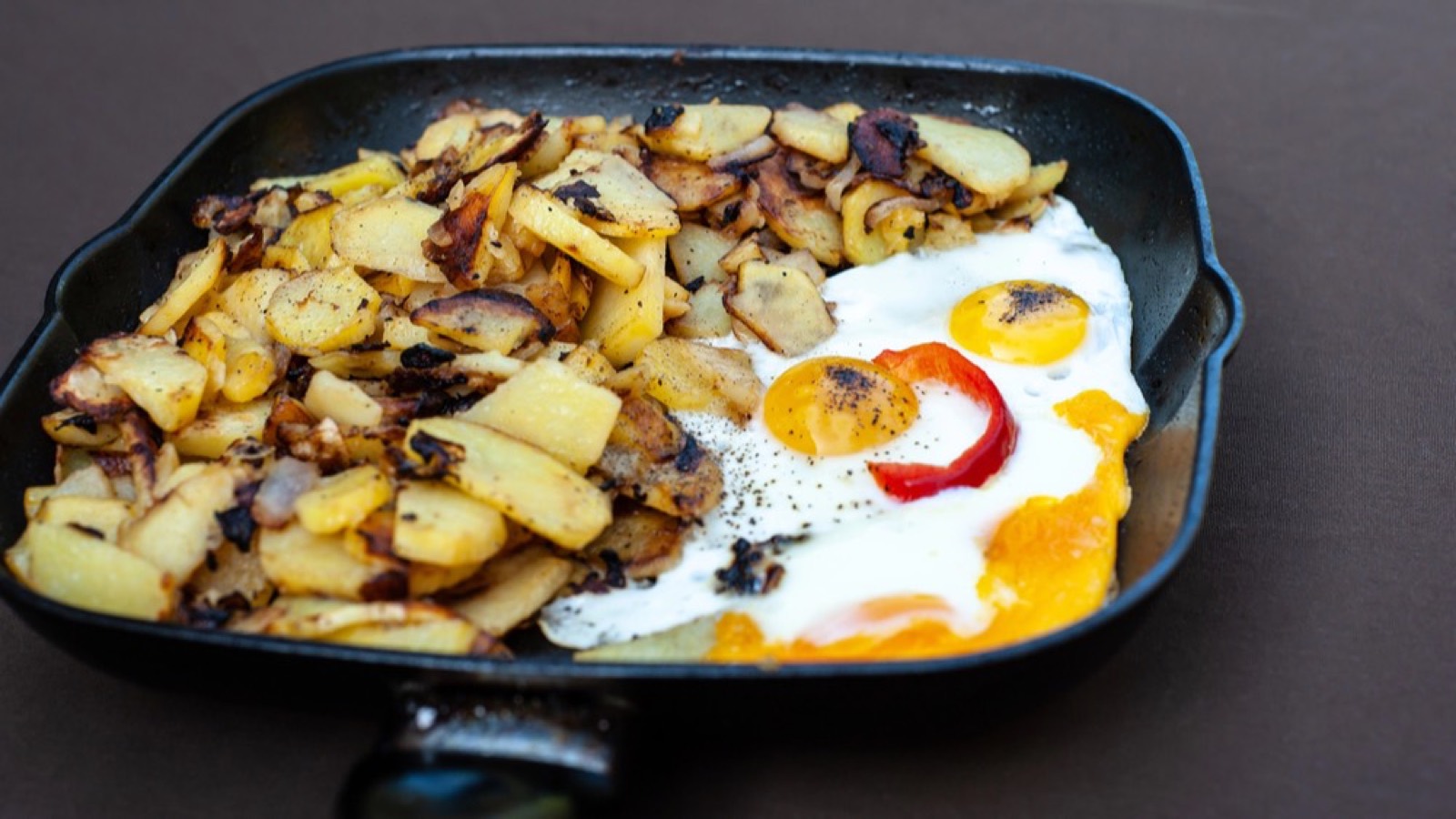
Eggs remain one of the most affordable sources of protein, even when prices rise. This skillet meal works for breakfast, lunch, or dinner. Adding leftover vegetables or a little cheese makes it even more satisfying.
9. Vegetable Beef Soup
Vegetable beef soup was Grandma’s way of using up leftovers and scraps. She simmered a small amount of beef with carrots, potatoes, celery, and canned tomatoes. Extra vegetables from the garden or refrigerator often went into the pot.
A large pot of soup can feed a family for several days. It also freezes well, making it easy to save portions for later. The USDA recommends refrigerating leftovers within two hours of cooking to keep them safe.
How to Make Budget Meals Work
Budget meals work best when they are planned around cheap staples like beans, rice, potatoes, and pasta. Using small amounts of meat for flavor stretches every dollar. Cooking in large batches also saves time and money.
Many people who were raised by Depression-era moms learned these habits early. These cheap flavor hacks can also make simple meals taste better for less. Which of Grandma’s budget dinners do you still make?