6 Reasons Beer and Barbecue May Be a Bad Summer Combo
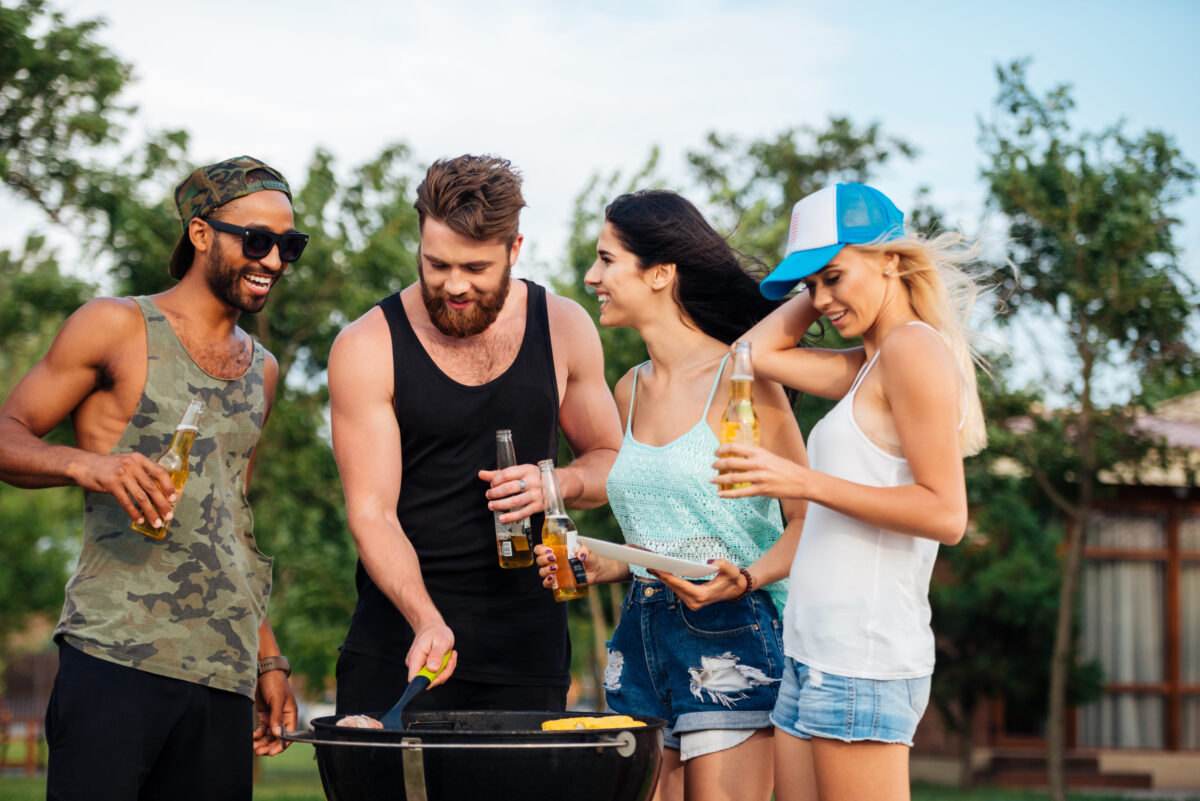
Beer and barbecue look like they were made for each other. One brings the smoke, the char, the sauce, and the heavy plates. The other brings the cold glass, the foam, and that backyard feeling people chase all summer.
But the combination is not as harmless as it looks. A hot grill, salty food, fatty meat, alcohol, sunshine, and long hours outside can quietly turn a relaxing cookout into a rough day for your stomach, your energy, your waistline, and your judgment.
That does not mean every person who drinks one beer near a grill is making a disaster-level decision. It means the classic beer-and-barbecue pairing comes with risks many people ignore because it feels normal. Before you open another bottle beside the smoker, here are six reasons to rethink it.
Beer Can Make Outdoor Dehydration Worse
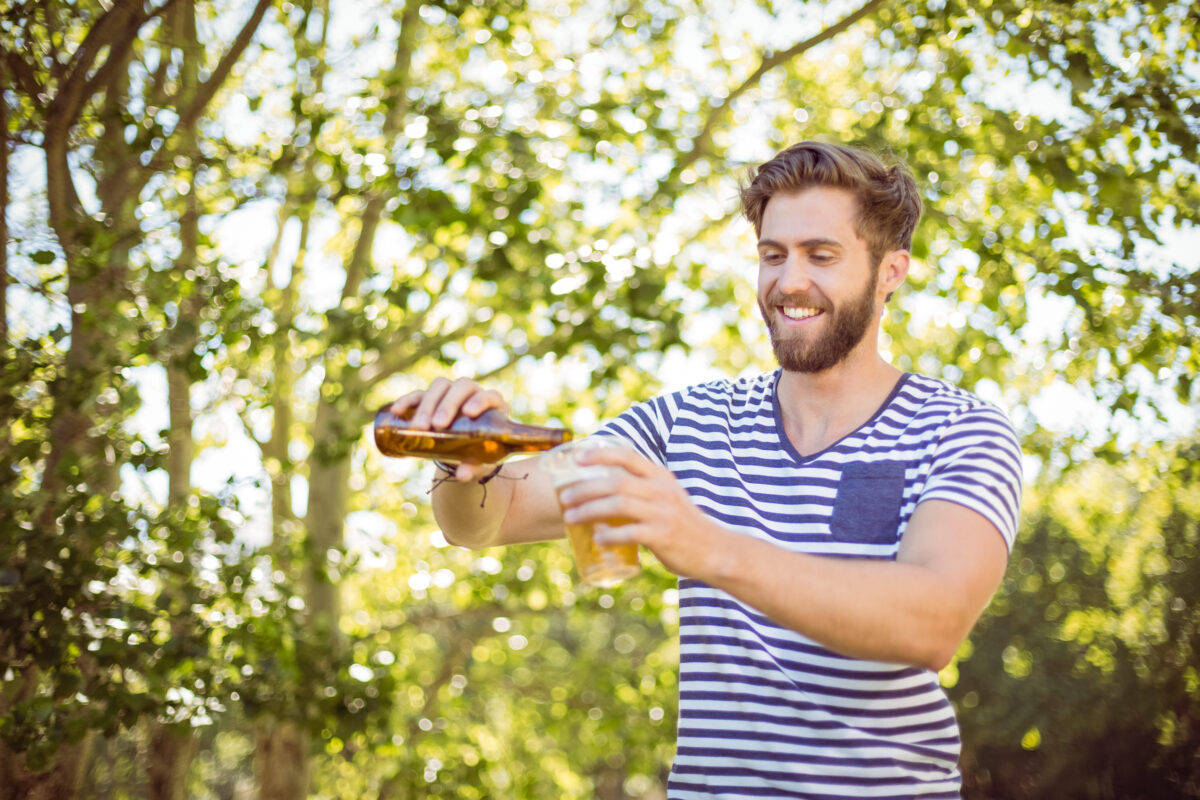
Barbecues often happen in the heat. People stand near hot grills, sit under the sun, sweat more than they realize, and eat salty foods that make them thirsty. Beer may feel refreshing at first, but alcohol is not the same as water. It can make you urinate more, and that can leave your body with less fluid than it needs.
This is one reason people often feel drained after a long cookout. They may blame the heat, the meat, or the late afternoon sun, but alcohol can quietly add to the problem. If someone keeps drinking beer while barely drinking water, the body has to work harder to stay cool and balanced.
The problem gets worse when the barbecue lasts for hours. A person may have one beer while the grill heats up, another while the meat cooks, and another while eating. By the time the party ends, they may have consumed far more alcohol than they planned, with very little real hydration in between.
It Can Encourage Overeating
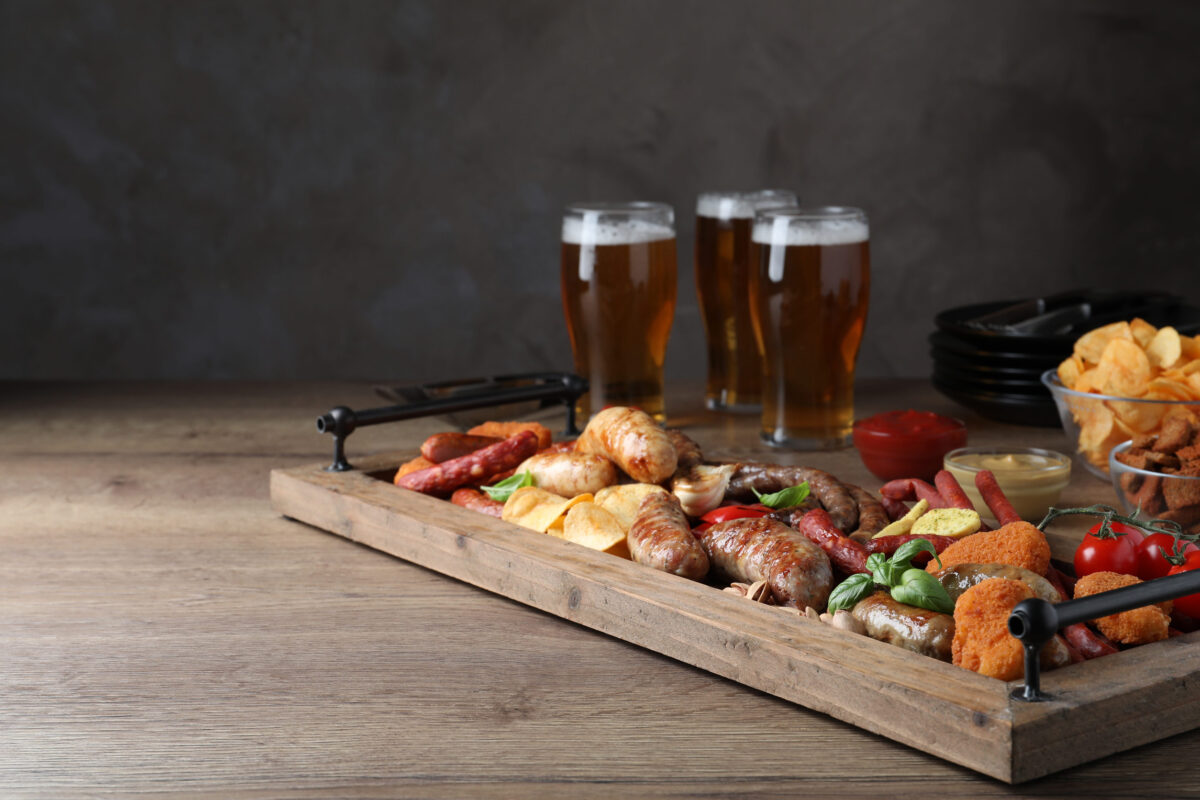
Barbecue food is already easy to overeat. Ribs, burgers, sausages, brisket, wings, potato salad, baked beans, chips, and creamy sides are usually served in generous portions. Add beer to the table, and self-control can drop quickly.
Alcohol can make people less aware of fullness. It can also make rich, salty, smoky food taste even more tempting. That is why someone who planned to eat one plate may suddenly go back for a second burger, extra ribs, or another scoop of macaroni salad.
The problem is not only the meat. Beer adds extra calories that people often forget to count because they drink it rather than chew it. A few bottles can turn a heavy meal into a much heavier one. By the end of the afternoon, the body may be dealing with alcohol, fat, salt, sugar, and a calorie load that feels good in the moment but punishing later.
Beer and Greasy Barbecue Can Upset Your Stomach
Barbecue can be hard on the digestive system, especially when it is fatty, spicy, smoky, or eaten in large portions. Beer can make that discomfort worse. The carbonation can create bloating, while alcohol may irritate the stomach and relax the body in ways that can make reflux more likely.
This is why some people feel fine while eating, then miserable later. The combination of beer, sauce, grease, spice, and heavy meat can sit in the stomach like a brick. It may lead to gas, heartburn, nausea, or that uncomfortable pressure that makes people want to lie down instead of enjoying the rest of the day.
Spicy barbecue sauces can add another layer of trouble. Hot sauce, vinegar, sugar, smoke, and alcohol are not always a friendly mix for sensitive stomachs. If someone already struggles with acid reflux, gastritis, or regular indigestion, beer with barbecue may be one of the fastest ways to ruin an otherwise good meal.
It Can Make Grill Safety Sloppier
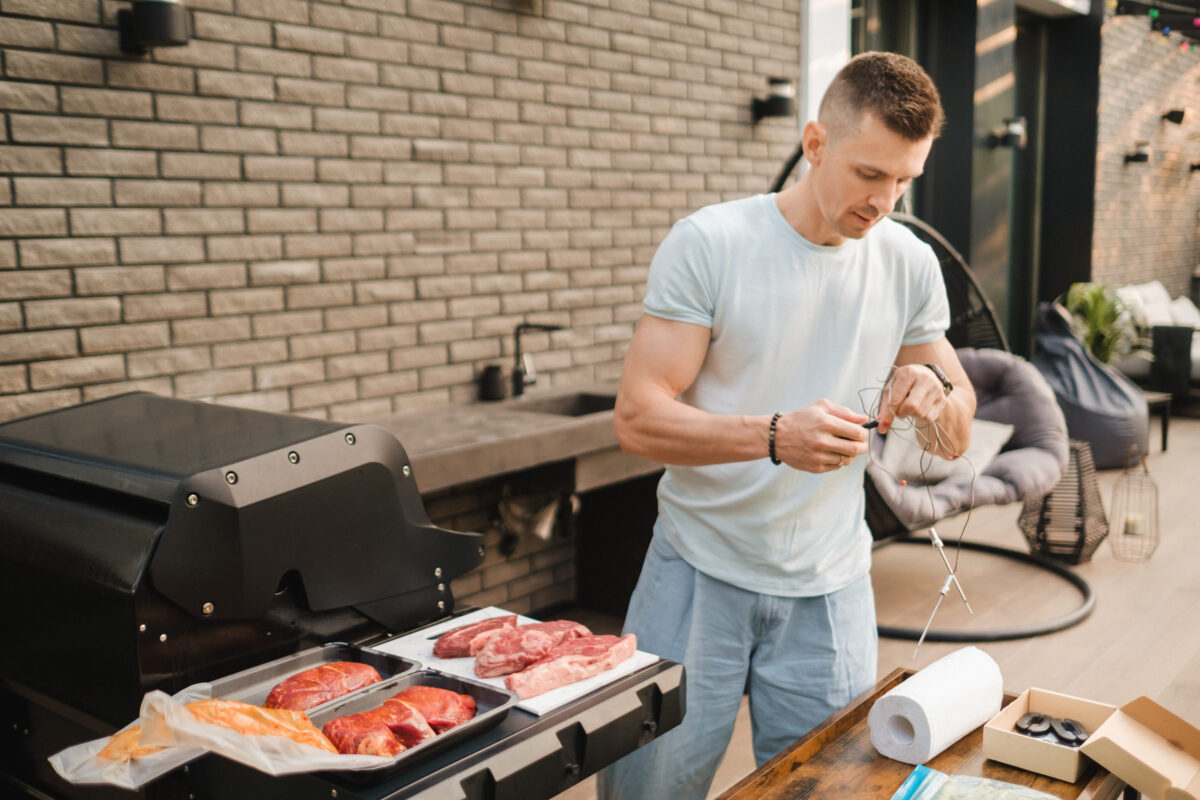
Barbecue requires attention. Someone has to manage fire, sharp tools, raw meat, hot surfaces, propane, charcoal, grease, flare-ups, and safe cooking temperatures. Beer can make all of that feel easier than it really is, which is exactly the problem.
Alcohol affects judgment and reaction time. Around a grill, that matters. A distracted or tipsy cook may forget to wash hands after touching raw chicken, use the same plate for raw and cooked meat, undercook burgers, or stand too close to flare-ups. Small mistakes can lead to burns, food poisoning, or ruined food.
The danger is not always dramatic. Sometimes it is as simple as leaving meat out too long, guessing instead of using a thermometer, or forgetting which tongs touched raw poultry. Beer makes people more relaxed, but grilling safely requires the opposite. It requires attention, timing, and clear decisions.
The Charred Meat Problem Gets Easier to Ignore
Barbecue lovers often chase the dark crust. A little char can make meat taste smoky and rich, but heavily burned meat is not something to take lightly. High-heat cooking can create compounds that health experts have studied for potential links to cancer risk, especially when meat is cooked until blackened or well done.
Beer does not create those compounds on its own, but it can make people less careful. After a few drinks, someone may ignore burned edges, eat more charred meat than usual, or keep snacking from the grill without thinking. What would normally be a small indulgence can become a repeated habit.
The smarter move is not to panic. It is moderation. Trim burned sections, avoid letting fat drip directly into flames, use lower heat when possible, and balance the plate with vegetables, fruit, and lighter sides. Beer can make the cookout feel carefree, but your body still notices what you repeatedly eat.
It Can Turn a Fun Cookout Into a Risky Ride Home
This may be the most serious reason of all. Barbecues are social events, and people often underestimate how much they have had to drink. One beer feels harmless. Two feels normal. Three can still feel like nothing when spread across an afternoon, especially with food.
But alcohol still affects the body. Eating barbecue does not cancel it out. A full stomach may slow absorption, but it does not make someone sober. That matters when people plan to drive home, operate a boat, supervise children near water, or handle anything that requires clear judgment.
Cookouts also create social pressure. People may say they are fine because they do not want to seem dramatic or leave their car behind. That is how a casual beer with ribs can become a dangerous decision. If beer is part of the barbecue, transportation needs to be planned before the first bottle opens.