Miami-Dade Mother Accused of Starving 8-Year-Old Daughter, Forcing Her to Eat From Trash.
A welfare check in Miami-Dade County has turned into a troubling child abuse case after authorities said an 8-year-old girl described being beaten, left alone, and denied regular access to food inside her home.
Police identified the child’s mother as Naseline Timouche, a 27-year-old Florida woman who now faces serious charges after investigators said the girl had visible scars and marks on her body. The accusations are painful in their details, and they point to a larger question we cannot ignore: how long can a child suffer in plain sight before someone steps in?
According to the arrest report cited by multiple outlets, deputies with the Miami-Dade Sheriff’s Office met with Timouche and her daughter on Saturday after concerns were raised about the child’s condition. What followed was a series of allegations describing hunger, fear, physical violence, and neglect inside the home.
Police Say the 8-Year-Old Had Scars and Marks on Her Body.
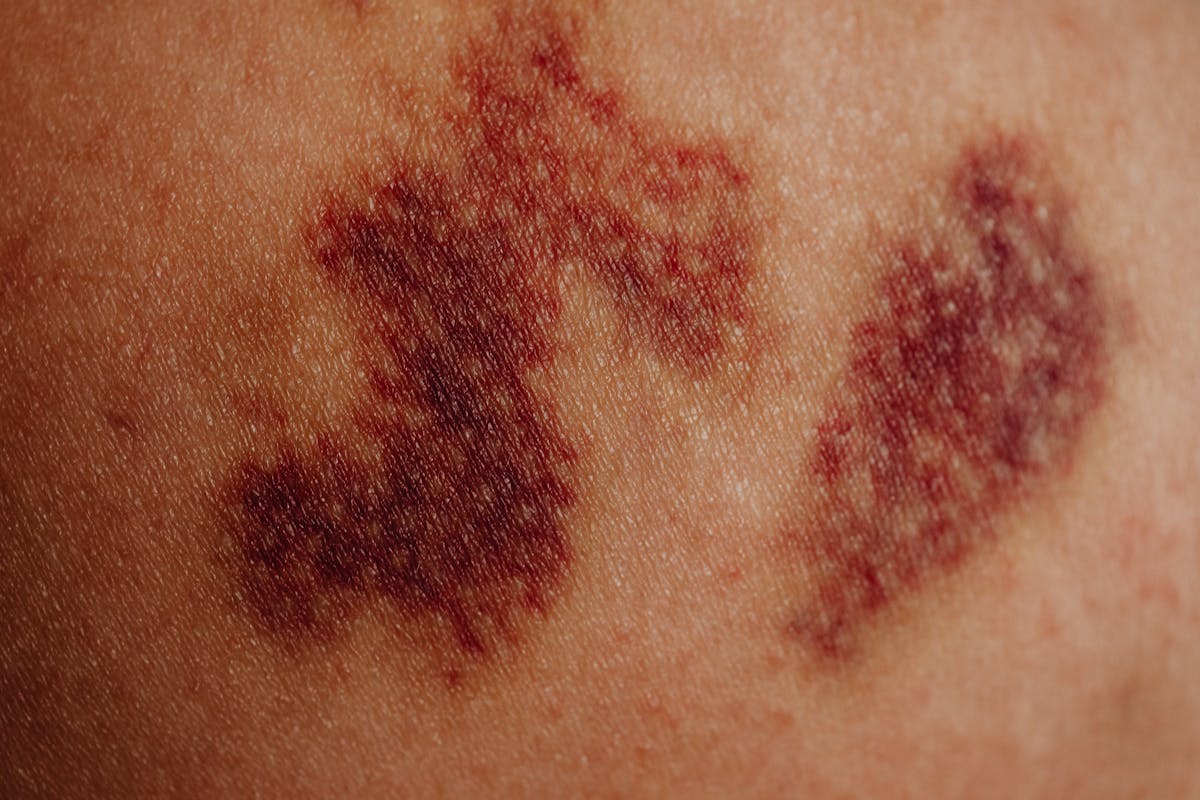
Deputies said the girl had numerous scars and marks when they encountered her. Investigators reported that the child described repeated physical abuse, including being hit with a cord, a charging cable, a frying pan, and a spatula.
The girl allegedly told detectives that her mother would sometimes wake her up in the middle of the night and beat her for no clear reason. In one alleged incident, she said she was struck in the face with a charging cord.
Child abuse cases often rely on more than one form of evidence. We look at what a child says, what witnesses report, what officers observe, and whether the injuries appear consistent with the account given. In this case, authorities said the child’s visible injuries supported the abuse allegations described in the report.
The “Food Was for Guests” Claim Became the Most Shocking Allegation
Among the most disturbing allegations is the claim that the child was not allowed to eat regular food in the home because it was supposedly meant for “guests.”
According to the arrest report, the girl told detectives that instead of being allowed to eat the food inside the residence, she had to eat expired food or food taken from the trash. That allegation moved this case beyond claims of physical violence and into food deprivation and neglect.
Food is a basic duty of care for a child. When a child says she was hungry while food was available at home, the allegation concerns the denial of one of the most essential necessities for survival.
The Neighbor’s Account May Be Crucial to the Case
A witness told investigators she had met the child about two months earlier and believed something was wrong. According to reports, the witness said she had allowed the child to stay in her home and had given her food.
The witness also said she saw the girl walking alone near her home on Friday night and brought her inside. She reportedly gave the child food and clean clothing after finding her unsupervised.
This part of the case shows how child abuse investigations can begin with someone outside the household noticing a pattern. A neighbor may see a child wandering alone. A teacher may notice injuries. A relative may hear a comment that does not sound right. In many cases, one observant adult becomes the first to raise concern about a child.
Timouche Allegedly Admitted to Hitting the Child With a Charging Cord
After being advised of her Miranda rights, Timouche allegedly admitted to striking her daughter with a charging cord. Authorities also said she admitted she had returned home around 5 a.m. after being out all night.
The arrest report also alleged that Timouche did not call 911 when she realized the child was missing. That detail is likely to draw attention because it directly addresses the issues of supervision and urgency. A missing 8-year-old child would normally trigger immediate panic, emergency calls, and a search.
Instead, investigators described a pattern in which the child was allegedly left alone for extended periods, including overnight. That allegation became part of the neglect charge.
The Charges Filed Against Naseline Timouche
Timouche was charged with aggravated child abuse, causing great bodily harm, and child neglect. These are allegations, and she has not been convicted.
The aggravated child abuse charge centers on the accusation that the child was physically harmed through repeated beatings. The neglect charge centers on claims that Timouche failed to provide the care, supervision, food, and protection that a child needs.
At the time of initial reports, Timouche had been taken to a Miami-Dade jail and was being held without bond. The case will now move through the court system, where prosecutors will have to prove the charges, and the defense will have the opportunity to respond.
Why This Case Has Triggered Public Outrage
The public reaction to cases like this is often intense because the allegations involve a very young child and basic survival needs. There is no reasonable debate over whether an 8-year-old should be fed, supervised, and protected.
The alleged phrase that household food was for “guests” suggests the child may have been treated as less deserving than visitors. That is the part many readers will not forget. It is not only the physical accusations that disturb people. It is the alleged message behind the deprivation.
This case involves allegations that the home, the one place a child is supposed to feel safest, became the source of danger.
Child Neglect Is Often More Than One Missed Duty
Child neglect can include failure to provide food, clothing, shelter, medical care, education, emotional support, or proper supervision. It does not always look dramatic from the outside. Sometimes it looks like a child repeatedly appearing hungry, dirty, injured, or unsupervised.
In this Miami-Dade case, authorities described several alleged forms of neglect at once. The girl was allegedly left home alone for long stretches, including overnight. She was allegedly denied food in the home. She was allegedly physically abused with household objects.
That combination is what makes the case especially concerning. We are not reading about one isolated accusation. We are reading about an alleged pattern that deputies said affected the child’s physical and mental well-being.
How Warning Signs Can Hide in Ordinary Neighborhoods
One of the hard truths about child abuse cases is that they often happen in ordinary places. A child may live in a normal-looking home, walk past neighbors, attend school, and still carry a private fear that adults around her do not fully see.
Warning signs can include frequent hunger, repeated injuries, fear of going home, poor hygiene, unusual anxiety, being left unsupervised, or a child suddenly seeking food or shelter from others. No single sign proves abuse, but patterns matter.
In this case, the neighbor’s reported decision to feed the child and provide a safe place may have been significant. It reminds us that community awareness can save lives, especially when a child is too young, too scared, or too controlled to ask for help directly.
Florida’s Child Abuse Reporting System
Florida allows reports of suspected child abuse, neglect, or abandonment through the Florida Abuse Hotline, which operates every day and at all hours. Anyone who suspects a child is in immediate danger should call 911.
Florida law also requires people to report suspected child abuse, abandonment, or neglect when they know or have reasonable cause to suspect that a child is being harmed. That responsibility is not limited to teachers, doctors, police officers, or social workers.
We all have a role when a child may be unsafe. Suspicion does not require a private investigation by a neighbor or bystander. It requires making the report so that trained professionals can assess the situation.
The Bigger Issue Behind the Arrest
This case is not only about one arrest. It is also about the fragile line between private family life and public responsibility. Children do not have the same power as adults do. They cannot always leave. They cannot always explain what is happening. They may even believe abuse is normal if it is all they have known.
That is why stories like this land so hard. We see the allegations, but we also see the missed chances that may have existed before police arrived. If a child is walking alone at night, asking for food, wearing dirty clothes, or showing unexplained marks, those details matter.
We do not need to wait for perfect certainty before caring. We need to take patterns seriously.
What Happens Next in the Case
The charges against Timouche will now be handled through the legal system. Prosecutors will review the evidence, the arrest report, witness statements, medical observations, and any additional investigative findings. The defense will have the right to challenge the allegations.
For the child, the more urgent question is safety and recovery. Cases involving alleged abuse and neglect often require medical care, emotional support, protective placement, and long-term services. Physical scars may be visible, but emotional wounds can last much longer.
The criminal case will determine legal guilt or innocence. The child welfare response must focus on protection, stability, and healing.