9 Christmas Dinner Dishes Boomers Expect That Younger Hosts Skip
For many baby boomers, Christmas dinner came with a set menu. Certain dishes appeared every year without fail, made from recipes handed down by mothers and grandmothers. Missing one of them would have felt like skipping a tradition.
As younger generations take over hosting duties, many of those classic dishes are quietly disappearing from holiday tables. Younger hosts often prefer simpler menus, newer recipes or dishes that reflect their own tastes. For boomers, the change can be surprising. Here are nine Christmas dinner dishes boomers expect that many younger hosts skip.
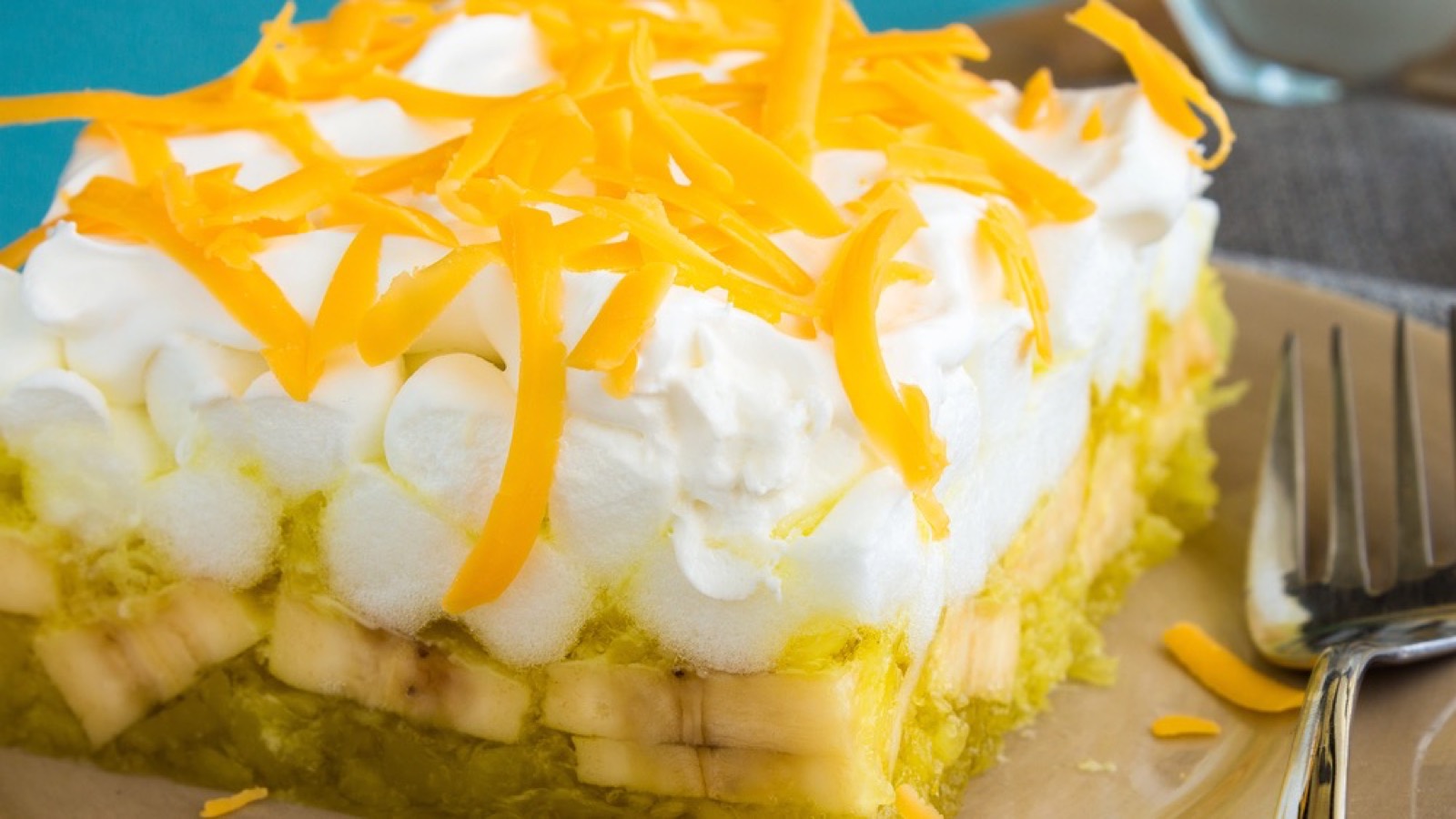
1. Ambrosia Salad
Ambrosia salad was once a holiday staple in many homes, especially in the South. It usually combined canned mandarin oranges, pineapple, shredded coconut, mini marshmallows and whipped cream or sour cream.
Boomers often remember ambrosia sitting in a glass bowl on the holiday buffet. Many younger hosts skip it because they find it overly sweet or old-fashioned. But for boomers, Christmas dinner without ambrosia can feel incomplete.
2. Gelatin Molds
Gelatin molds were once a centerpiece of holiday tables. Cooks layered colorful Jell-O with fruit, vegetables or even cottage cheese, then turned it out of a fancy mold.
These molds were seen as elegant and festive in the 1950s and 1960s. Today, many younger hosts find them dated and skip them entirely. Boomers, however, often have fond memories of the wobbly, colorful creations.
3. Relish Trays
A relish tray filled with pickles, olives, celery sticks, carrot sticks and radishes was once a fixture at Christmas dinner. Many families set it out before the meal or kept it on the table throughout dinner.
Younger hosts often replace relish trays with charcuterie boards or skip them altogether. Boomers still remember sneaking olives off the tray and putting them on their fingertips.
4. Oyster Stuffing
Oyster stuffing, also called oyster dressing, has deep roots in American holiday cooking, especially along the East Coast and in the South. It combines bread, oysters, butter, celery and herbs for a rich, savory side dish.
Many younger hosts skip it because they are unfamiliar with oysters or prefer classic bread stuffing. For boomers who grew up with it, though, oyster stuffing is part of what makes Christmas dinner special.
5. Fruitcake
Fruitcake is perhaps the most famous holiday dessert that younger generations tend to avoid. Dense, rich and packed with candied fruit and nuts, it was once a common gift and a holiday tradition in many homes.
Boomers often remember relatives soaking fruitcakes in liquor and storing them for weeks before Christmas. While fruitcake has become the butt of many jokes, some boomers still love it and expect a slice at Christmas.
6. Creamed Onions
Creamed onions, small pearl onions cooked in a creamy white sauce, were a classic holiday side dish for many families. They often appeared alongside turkey or ham on Christmas and Thanksgiving.
Younger hosts often skip creamed onions in favor of roasted vegetables or salads. For boomers, the dish brings back memories of grandmother’s kitchen.
7. Mincemeat Pie
Mincemeat pie has a long history in holiday baking. Traditional mincemeat combined dried fruit, spices, suet and sometimes meat, though modern versions are usually meat-free.
Many younger people have never tried mincemeat pie and are unsure what it is. Boomers often remember it as a must-have dessert alongside pumpkin and apple pies.
8. Ham With Pineapple Rings and Cherries
A glazed ham decorated with pineapple rings and maraschino cherries was a showstopper on many holiday tables. The colorful presentation made it look festive and impressive.
While ham is still popular, many younger hosts serve it without the pineapple and cherry decorations or choose other main dishes, like prime rib or roast chicken. Boomers often miss the classic look of a decorated ham.
9. Divinity
Divinity is a fluffy, white candy made from sugar, corn syrup and egg whites, often with chopped pecans. It was a popular homemade holiday treat, especially in the South.
Making divinity can be tricky, since it depends on humidity and precise cooking. Many younger hosts skip it in favor of easier treats. Boomers often remember watching mothers and grandmothers carefully spoon out divinity onto wax paper.
Why Holiday Menus Are Changing
Holiday menus change as families change. Younger hosts often have busier schedules, smaller kitchens and different tastes. Many prefer dishes that are quicker to prepare or that reflect newer food trends.
Families are also more diverse, blending traditions from different cultures and backgrounds. That often leads to new dishes replacing older ones.
Keeping Traditions Alive
Many families find ways to keep beloved dishes alive. Some ask grandparents to bring their favorite dish to the gathering. Others make one traditional recipe each year in honor of a loved one.
Sharing recipes and stories behind them can help younger generations appreciate these dishes. Sometimes, a dish that seemed old-fashioned becomes a new favorite once someone tries it.
The Stories Behind the Dishes
For many boomers, these dishes are less about taste and more about the people who made them. Ambrosia might remind them of a favorite aunt, oyster stuffing of a grandfather who insisted on it every year and divinity of a grandmother who stood over the stove for hours. Each dish carries a story.
That is why some boomers feel a little sad when these dishes disappear from the table. It can feel as though a piece of family history is fading. Younger hosts who ask about these stories often find a new appreciation for the dishes, and some decide to bring one back as a tribute to the relatives who once made them with love.
Keeping a Family Recipe Box
Many families still have a recipe box filled with handwritten cards for these holiday dishes. The cards are often stained with butter and splashes of gravy, with notes in the margins from mothers and grandmothers. Some families scan these cards or copy them into a family cookbook so that younger relatives can make the dishes too.
Even when the recipe itself is not made every year, the cards are treasured. Seeing a grandmother’s handwriting on a card for ambrosia or divinity can bring back a flood of holiday memories.
The Bottom Line
Ambrosia salad, gelatin molds, relish trays, oyster stuffing, fruitcake, creamed onions, mincemeat pie, decorated ham and divinity are among the Christmas dinner dishes boomers expect but many younger hosts skip. Just like the foods most boomers loved with a passion, these dishes carry memories of family and tradition. Keeping even one of them on the table can make Christmas feel a little more like home.