9 Freebies Americans Got in the 1950s, ’60s and ’70s That Would Never Happen Today
If you grew up in the 1950s, ’60s or ’70s, you probably remember a world where a trip to the gas station, the grocery store or the bank often came with a little something extra. A free road map, a clean windshield, a set of drinking glasses or a book of stamps that added up to a new lamp were simply part of everyday life.
Most of those perks have faded away, replaced by loyalty apps, self-service pumps and phone navigation. Here are nine freebies that families once took for granted, and why they feel almost unbelievable now.
1. Free Road Maps at the Gas Station
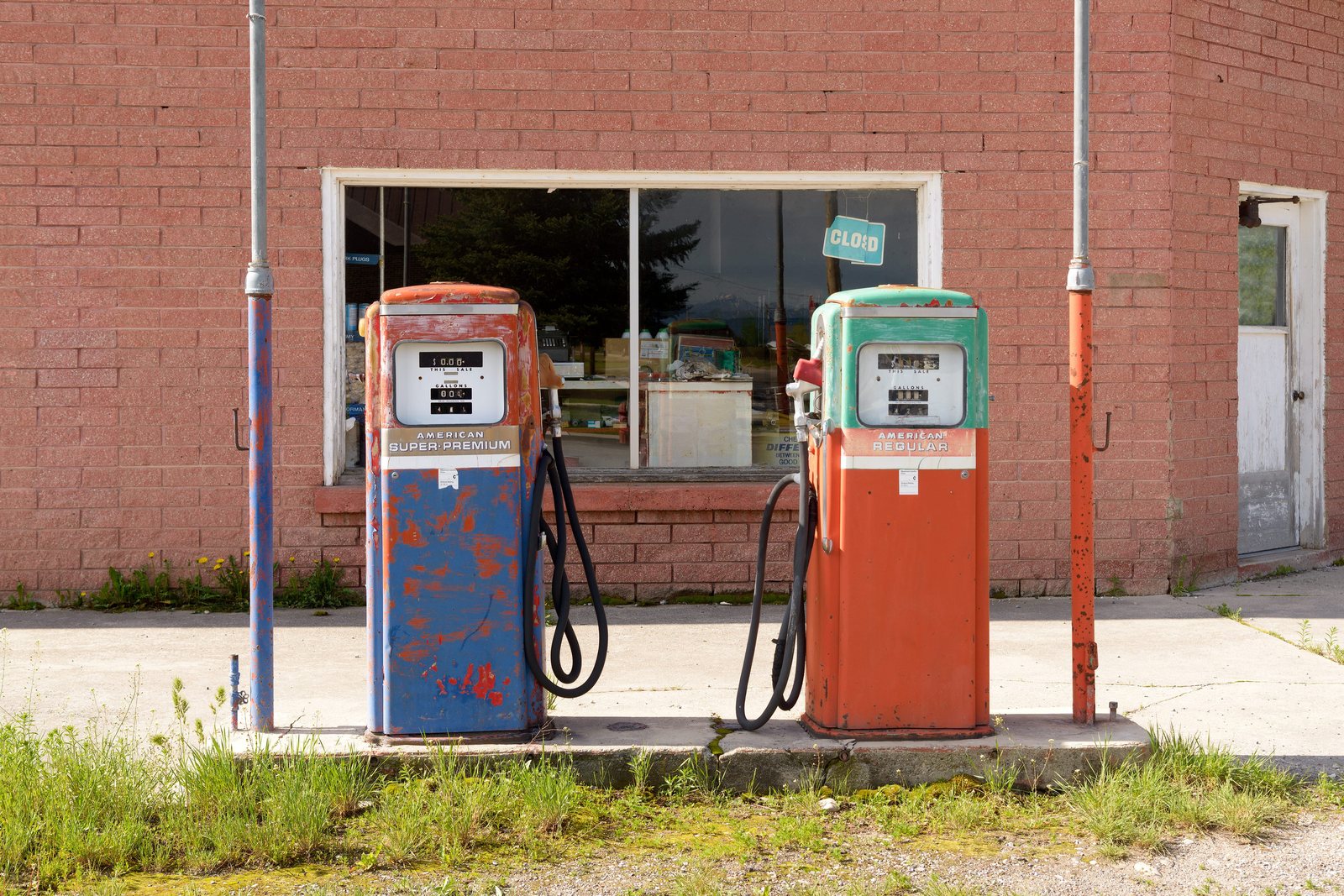
Before anyone carried a phone that talked them through every turn, drivers simply asked for a map. Gas stations kept racks of folded state and regional maps, and they handed them out at no charge. According to The Henry Ford museum, those maps helped drivers find their way while giving gasoline companies a handy way to advertise.
Many families kept a stack in the glove box for years, wrinkled, coffee stained and refolded the wrong way. Now they show up at antique shops and estate sales, right alongside the other nostalgic items everyone had 30 years ago.
2. A Windshield Wash and Oil Check With Every Fill-Up
Pulling into a station once meant someone came out to help. Mental Floss notes that attendants checked the water, battery and oil and cleaned the windshield, no matter how little gas you bought. Today, outside of the few places where full service is still common, most of us pump our own and squeegee our own glass.
3. Trading Stamps That Added Up to Real Prizes
S&H Green Stamps were a household obsession. Smithsonian magazine reports that shoppers got one stamp for every 10 cents spent at participating businesses, then pasted them into booklets and traded them in for lamps, silverware, furniture and even bicycles. By the 1960s, the magazine says, there were about 800 redemption centers across the country.
Kids were often handed the job of licking stamps and filling books at the kitchen table, a chore that taught patience and a little bit of math. It is a big part of how boomers shopped for groceries before coupons went digital.
4. A Real Toy in the Box
Cracker Jack set the standard for snack-box surprises. According to CBS News, the company first added a prize to its boxes in 1912, and over the decades kids dug out tops, whistles, pins and tiny figures. Cereal makers caught on, too, tucking plastic rings, decoder gadgets and little cars into boxes that kids raced to open first.
Those surprises were a highlight of Saturday mornings, right up there with the Saturday morning cartoon classics from the ’60s and ’70s. The prizes still exist in some form, but they are rarely the hefty little toys many grown-ups remember, a story told in our look at grocery store foods that once came with a free prize inside.
5. Dishes and Glassware Tucked Into Everyday Products
Some families built entire cupboards of dishes one box at a time. Detergents and pantry staples sometimes came with a free glass, cup or towel packed inside, and gas stations and burger chains ran promotions where a fill-up or a meal earned a collectible glass.
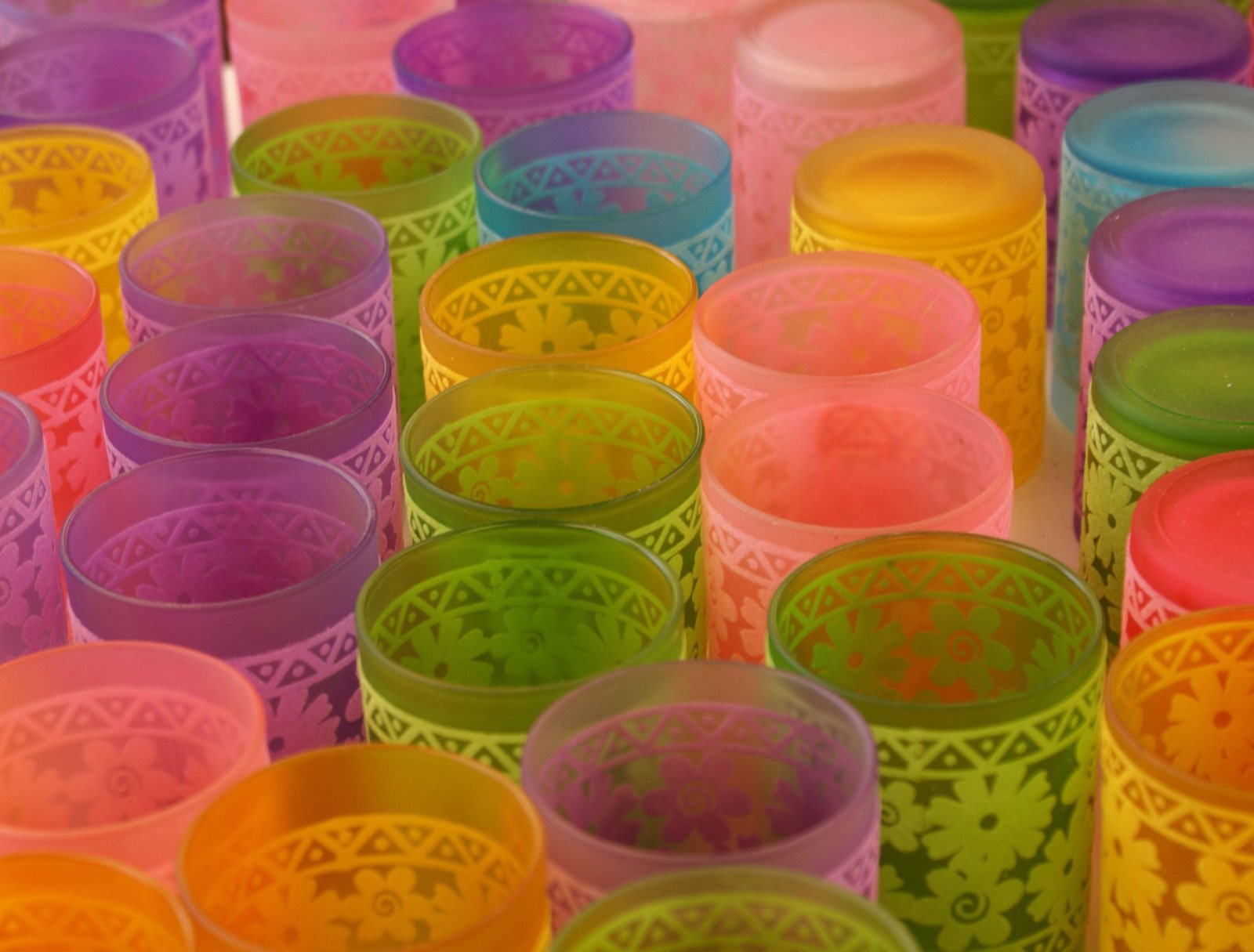
Many of those tumblers are still in kitchen cabinets today, and plenty of people have picked the habit back up at thrift stores. It fits right in with the boomer habits that are making a comeback, from collecting matching glasses to keeping a well-stocked pantry.
6. A Free Gift for Opening a Bank Account
Walk into a bank to open a savings account in the 1960s or ’70s and you might walk out with a toaster, a clock radio, a set of steak knives or a blanket. The bank giveaway became such a familiar part of American life that it turned into a running joke in movies and TV. Today, banks are more likely to offer a cash bonus with fine print attached.
7. Matchbooks Everywhere You Went
Restaurants, hotels, bowling alleys and supper clubs handed out printed matchbooks by the bowlful. They were free advertising for the business and a little souvenir for the customer, and many families had a jar or drawer full of them from vacations and special nights out. You will still find them now and then, but they are no longer sitting by every cash register.
8. Calendars, Yardsticks and Pens From Local Businesses
Every December, the hardware store, the feed store, the funeral home or the insurance agent seemed to hand out a free wall calendar with the business name printed at the bottom. Yardsticks, pot holders, pens and church fans showed up the same way. These small freebies hung in kitchens for a full year and became part of the family routine.
9. Little Extras on Airplanes
Flying used to feel like an occasion, and the small freebies were part of the fun. Many travelers remember hot meals served on real trays, decks of playing cards with the airline logo and plastic pilot wings pinned on wide-eyed kids. Today, a bag of pretzels can feel like a treat, and extras usually come with a price tag.
Those perks were never fancy, but they made ordinary errands feel a little warmer. If you still have a drawer full of old maps, matchbooks or stamp booklets, you are holding a small piece of everyday American history.