9 Grocery Price Shocks Quietly Wrecking American Budgets in 2026
American shoppers are feeling a silent squeeze at the grocery store, with weekly budgets stretched tighter than ever. Prices are rising across the board, hitting everything from meat and fresh produce to coffee, cereal, and sweet treats.
Families are finding that their usual meal plans now come with hidden costs, forcing them to choose between staples and small comforts. This wave of grocery inflation is reshaping what ends up in the cart and how Americans approach everyday shopping in 2026.9
Here are 9 Grocery Price Shocks Quietly Wrecking American Budgets in 2026
Beef
Beef has become one of the most noticeable pressures in the grocery aisle, affecting everything from weeknight dinners to family meals. Ground beef, steaks, and roasts are all costing more, and households that once relied on these staples several times a week are reconsidering their options.
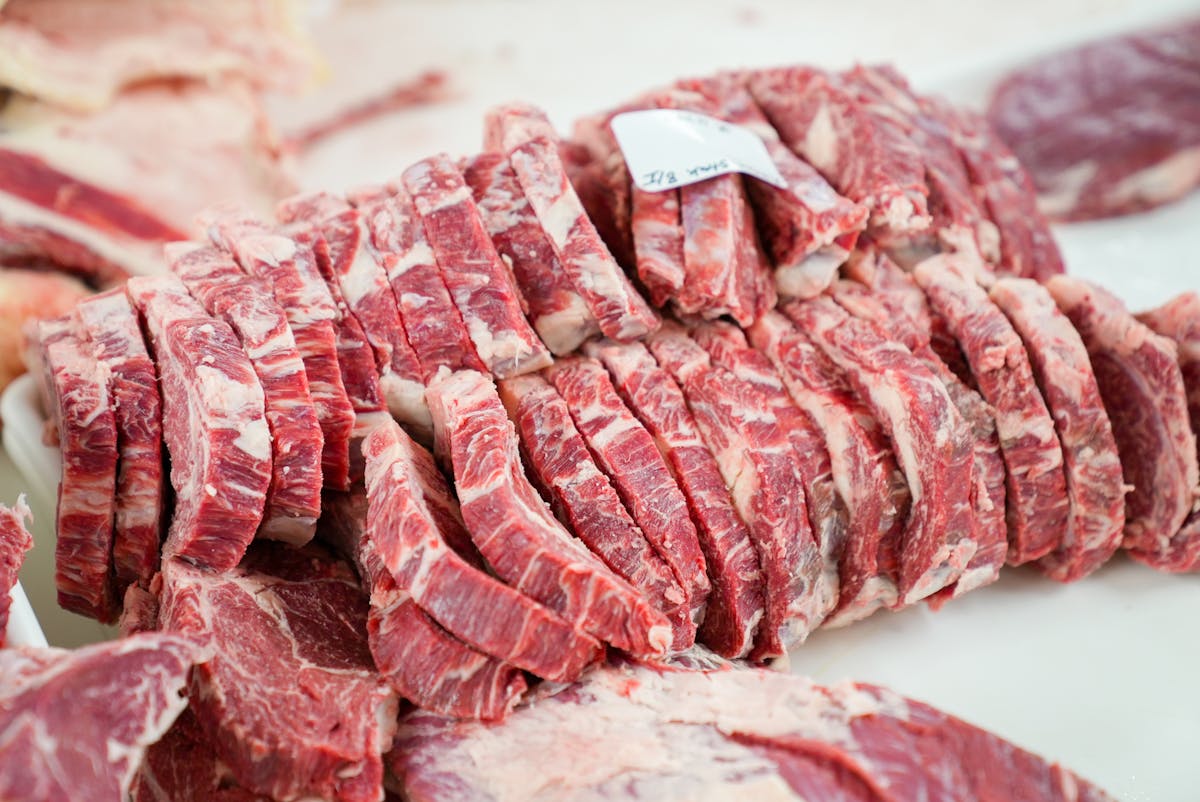
Supply issues, smaller cattle herds, and rising production costs are driving consistent price increases, leaving shoppers seeking more affordable protein alternatives.
Fresh Vegetables
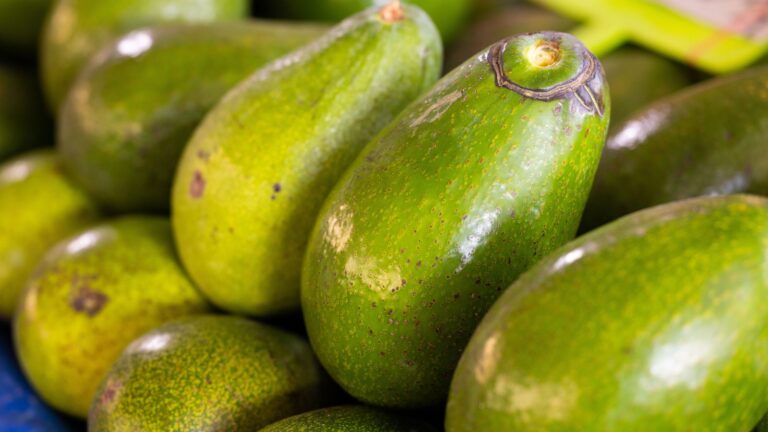
Vegetables that were once reliable and budget-friendly now come with unpredictable price swings. Seasonal shifts, weather disruptions, and transportation costs have pushed up the price of fresh produce, making salads, stir-fries, and side dishes noticeably more expensive.
Families aiming to maintain healthy meals are adjusting portion sizes, swapping ingredients, or turning to frozen options to manage grocery bills.
Fruit
Fresh fruits are seeing steady price increases, impacting households that prioritize nutritious choices. Berries, apples, grapes, and citrus fruits now cost significantly more than in previous years, prompting shoppers to rethink how often they buy them.
The rising cost of fruit is quietly altering daily eating habits, leading some families to replace fresh fruit with shelf-stable snacks or smaller portions.
Coffee

Coffee is feeling less like a routine purchase and more like a treat that requires justification. The increase in nonalcoholic beverage prices has made daily cups more expensive, affecting households that rely on coffee for workdays, school mornings, or evening routines.
Sugar and Sweets
Candy, chocolate, and other sweet treats are no longer the inexpensive indulgences they once were. Steady price increases have made it harder for families to grab these items without noticing a dent in the weekly budget. This shift is leading households to skip sugary snacks, opt for smaller portions, or choose cheaper alternatives to keep costs manageable.
Cereal and Bakery Staples
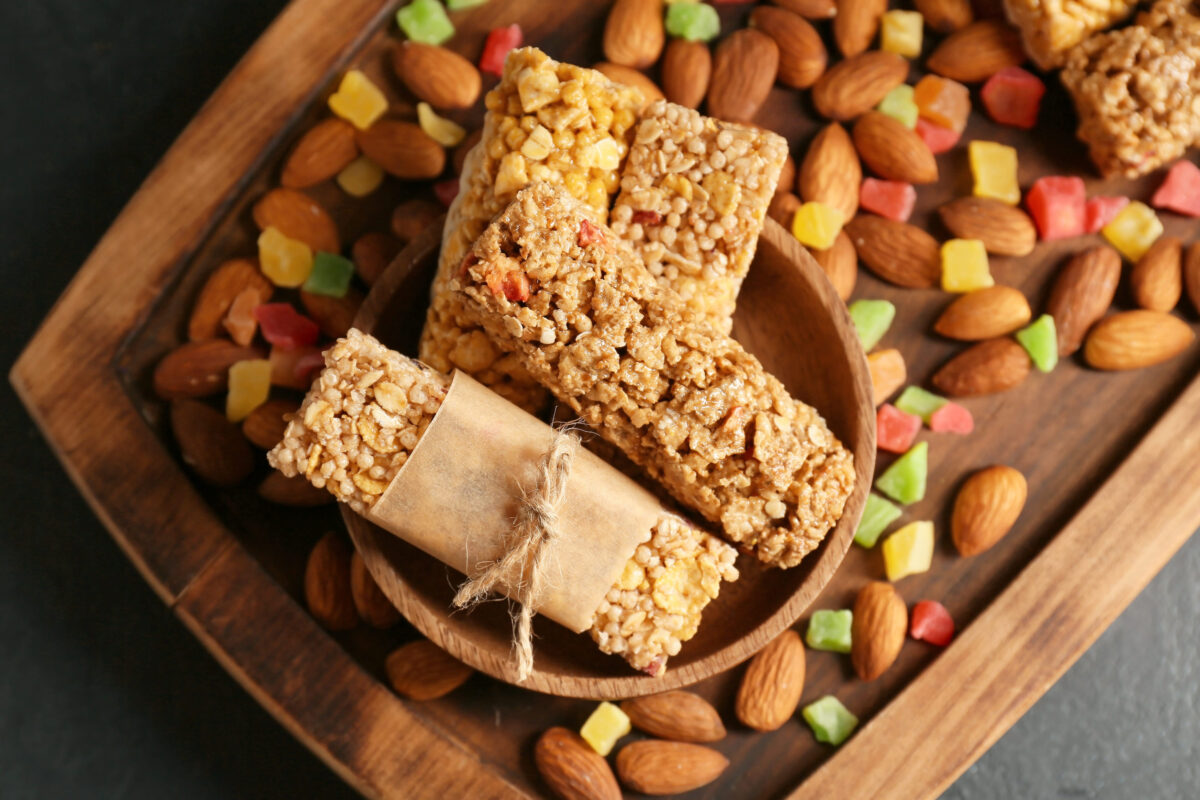
Breakfast items like cereal, bread, muffins, and crackers are gradually climbing in price, and the cumulative effect is striking. Since these staples appear in nearly every meal, even small increases quickly add up for households.
Shoppers are responding by seeking generic brands, adjusting weekly quantities, and planning meals more carefully to avoid overspending.
Seafood
Fish and seafood are continuing to rise in cost, making what was once a healthy protein alternative feel more like a luxury. Families trying to include salmon, shrimp, or fresh fillets in their meals are finding these items increasingly expensive.
The pressure has led many households to substitute seafood with other proteins or limit their seafood purchases to special occasions.
Eggs

Eggs have finally eased after years of soaring prices, offering some relief for breakfast staples. Even with lower egg costs, other ingredients like bakery items, coffee, and produce remain elevated, leaving the morning meal still sensitive to overall grocery inflation.
Households are finding that while one item is cheaper, the overall cost of a balanced breakfast remains challenging to manage.
Energy Costs
Energy prices influence more than just gasoline and utilities; they are quietly pushing grocery bills higher through transportation and production costs.
Rising fuel and electricity costs make shipping, refrigeration, and packaging more expensive, ultimately affecting every aisle in the store. This indirect pressure contributes to rising weekly grocery bills, without shoppers always noticing where the increases are coming from.
Conclusion
Grocery inflation in 2026 is a multifaceted challenge that affects every part of the shopping experience. Families are adjusting by trading down, buying smaller packages, stretching leftovers, and choosing store brands to cope with the rising costs.
These quiet shocks are changing the way Americans plan meals, select ingredients, and approach everyday grocery shopping, making previously simple choices more financially complex than ever before.