9 Items Experts Say You Should Think Twice About Before Purchasing At A grocery Store.
Walking through a grocery store can feel simple: pick up what you need, fill your cart, and head home. But supermarkets are carefully designed environments where products are placed, promoted, and packaged to encourage shoppers to spend more.
Many grocery items are convenient and tempting, but some may not offer the best value, quality, or nutritional benefit. There’s nothing wrong with buying an occasional treat or a time-saving product, but certain items are often better made at home, bought elsewhere, or avoided altogether.
From overpriced convenience foods to products that may not be as healthy as they appear, here are some things you should think twice about before putting them in your shopping cart.
Pre-Cut Fruits and Vegetables
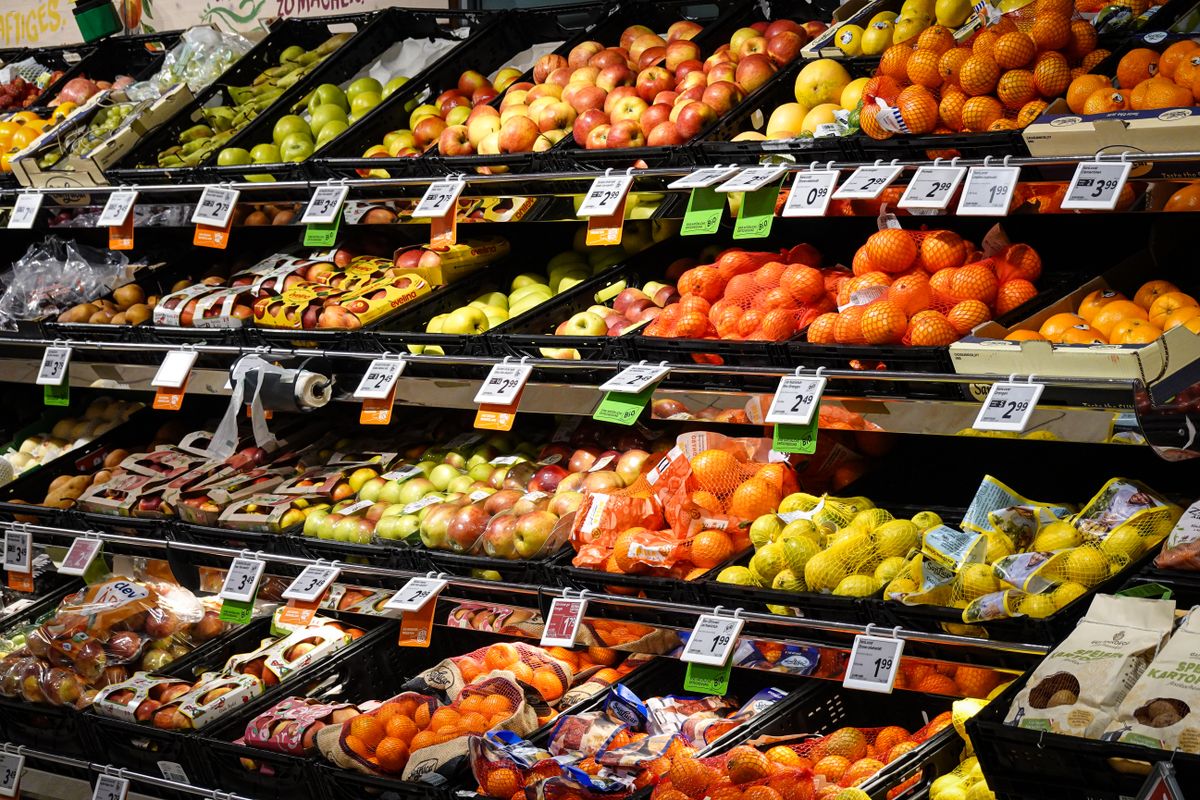
Pre-cut fruits and vegetables are among the most convenient items in a grocery store. They save time and require little preparation, making them attractive for busy shoppers.
However, that convenience often comes with a higher price.
A container of sliced fruit or chopped vegetables can cost significantly more than buying whole produce and preparing it yourself. You are paying extra for labor, packaging, and convenience.
There can also be quality concerns. Once fruits and vegetables are cut, they may lose freshness more quickly. Air exposure can affect texture, flavor, and some nutrients.
Buying whole produce and preparing it at home is usually more economical, although pre-cut options can still be useful for people with limited time or mobility.
Bottled Water
Bottled water is one of the most common purchases in grocery stores, but many experts question whether it is worth the cost.
In many places, tap water is already treated and safe to drink. Buying bottled water repeatedly can become expensive compared with using a reusable bottle and, if needed, a home filtration system.
There are also environmental concerns. Producing, transporting, and disposing of plastic bottles requires significant resources.
While bottled water may be useful during emergencies, travel, or places where clean tap water is unavailable, it is often an unnecessary expense for everyday use.
Pre-Packaged Salads
Ready-made salads may seem like a healthy choice, but shoppers should look beyond the label.
Many packaged salads include dressings, toppings, cheese, croutons, and other additions that can increase calories, sodium, and added ingredients.
They are also more expensive than buying lettuce, vegetables, and other ingredients separately.
Another issue is shelf life. Once ingredients are washed and cut, they may spoil faster, leading to food waste if you don’t eat them quickly.
Making a salad at home allows you to control the ingredients, portion sizes, and cost.
Flavored Yogurts
Yogurt can be nutritious, but flavored varieties often contain more sugar than many consumers realize.
Fruit-flavored yogurts may contain added sugars that increase calories while reducing some of the health benefits people associate with yogurt.
Plain yogurt combined with fresh fruit, nuts, or a small amount of natural sweetener can often provide a healthier alternative.
Reading nutrition labels is important because products marketed as “healthy” are not always low in sugar.
Microwave Meals
Frozen and refrigerated microwave meals offer unmatched convenience. They heat in minutes and require almost no preparation.
However, many ready-to-eat meals contain high levels of sodium, preservatives, and refined ingredients. Some portions may also be smaller than expected, leaving people hungry despite the convenience.
Not all frozen meals are unhealthy. Some brands offer balanced options with vegetables, protein, and reasonable portions.
The key is checking the ingredients and nutritional information rather than assuming every packaged meal is a good choice.
Bottled Smoothies and Juices
Many grocery stores sell bottled smoothies and juices marketed as healthy drinks.
However, some contain large amounts of sugar, even when the sugar comes naturally from fruit. Removing fiber from whole fruits can also make it easier to consume large amounts of sugar quickly.
Eating a whole orange or apple provides fiber that slows digestion and increases fullness.
Making smoothies at home lets you control what goes into the drink and add ingredients such as vegetables, protein, or healthy fats.
Bakery Items Near the Checkout Area
The smell of fresh bread, cookies, and pastries can be difficult to resist. Grocery stores often place bakery items in highly visible locations because they encourage impulse purchases.
While occasional treats are part of a balanced lifestyle, many bakery products contain high amounts of refined flour, sugar, and fats.
Some items may also cost more than similar products from local bakeries or homemade versions.
Planning purchases before shopping can help reduce impulse buying.
Pre-Shredded Cheese
Pre-shredded cheese is convenient, especially when you need to prepare meals quickly. However, it often costs more than buying a block of cheese and shredding it yourself.
Manufacturers commonly add anti-caking agents to prevent shredded cheese pieces from sticking together. These ingredients are generally considered safe, but some shoppers prefer simpler ingredient lists.
Buying a block of cheese may also provide better texture and flavor when cooking.
Single-Serving Snacks
Small snack packages are convenient for lunch boxes and travel, but they usually cost much more per serving than buying larger packages.
You can often divide a large bag of nuts, crackers, or snacks into smaller portions at home using reusable containers.
Single-serving packaging also creates more waste.
For shoppers trying to save money, buying larger sizes and portioning food themselves can make a noticeable difference.
Why Grocery Shopping Requires More Awareness
Modern supermarkets are designed to make shopping easier, but also to encourage spending. Eye-catching packaging, strategic placement, and health-focused labels can influence decisions.
This does not mean shoppers should avoid all packaged foods. Many grocery products are convenient, affordable, and perfectly reasonable parts of a balanced diet.
The goal is to become a more informed shopper.
Understanding what you are buying, comparing prices, and reading labels can help you make choices that fit your health goals and budget.