9 Reasons Walmart’s Digital Price Tags Are Making Shoppers Nervous
Walmart digital price tags may look like a small change, but shoppers know the grocery aisle is never just about technology. It is about trust, timing, and the price families see before they decide what goes into the cart. When a paper shelf tag becomes a digital screen, the whole shopping experience starts to feel a little less fixed.
Walmart says the new labels are meant to help workers update prices faster, reduce checkout errors, and make stores run more smoothly. Lawmakers and consumer advocates are asking a tougher question. If stores can change prices in seconds, what stops grocery shopping from turning into the next version of surge pricing?
Here are some reasons the digital price tags are making shoppers nervous.
The Shelf Price Suddenly Feels Less Permanent
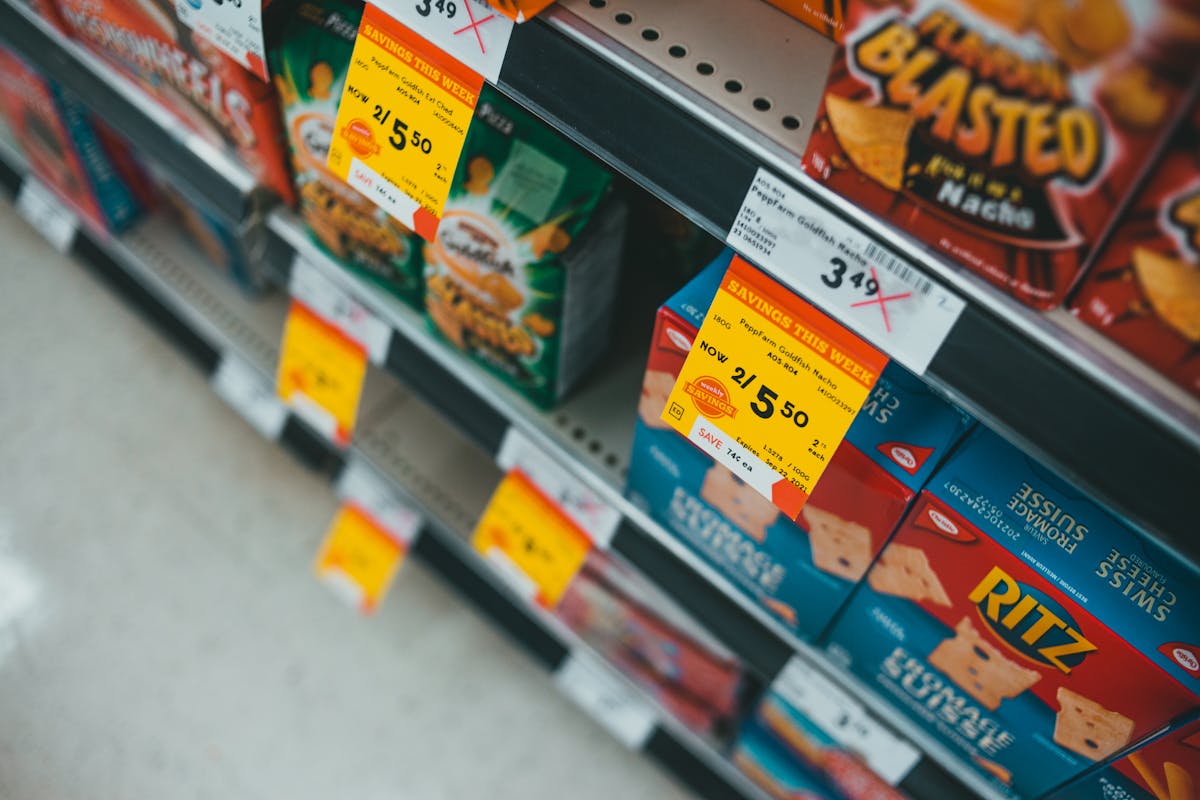
For years, the paper price tag gave shoppers a simple sense of certainty. You walked down the aisle, saw the number, compared it with your budget, and expected that price to stay put until checkout. Walmart’s digital price tags change that feeling because the price now sits on a screen connected to a larger system.
That does not mean prices are changing every minute. Still, the perception matters. Once customers know prices can be updated quickly, they may start wondering when those updates occur, who controls them, and whether they are getting the same deal they saw earlier in the day.
Lawmakers Fear Grocery Surge Pricing Could Come Next
The biggest concern is not the digital label itself. It is the possibility that digital shelf labels could make dynamic pricing easier in grocery stores. Dynamic pricing already shapes airline tickets, hotel rooms, delivery apps, and online retail, but food feels different because families cannot simply skip dinner until prices drop.
That is why some lawmakers want restrictions in place before the technology becomes commonplace across major chains. Their argument is simple. If grocery prices can be raised quickly when demand rises, shoppers may face higher costs on essentials like milk, eggs, bread, meat, and baby products at the exact moment they need them most.
Walmart Says This Is About Store Efficiency

Walmart has said its digital price tags are designed to help store associates, not create surge pricing. In large stores, employees spend a significant amount of time manually changing paper labels. Digital tags can speed up that work, reduce mistakes, and help prices match across shelves, registers, apps, and promotions.
That is a real benefit. Anyone who has argued over a shelf price that did not match the checkout screen understands the frustration. If the technology reduces errors, saves workers’ time, and makes discounts easier to manage, shoppers could experience a smoother in-store experience. The problem is that efficiency alone does not answer every fairness concern.
Grocery Inflation Makes the Timing Feel Awful
This rollout is happening when many shoppers already feel beaten down by food prices. Even when inflation slows, families still remember how much cheaper a cart used to feel just a few years ago. That makes any pricing technology look suspicious, especially when it gives retailers more power to update prices quickly.
For a shopper trying to stretch a weekly grocery budget, the message can sound backwards. They do not want stores to change prices more quickly. They want stores to become better at lowering them. That emotional gap is one reason Walmart’s digital price tags have become a public-relations challenge rather than a quiet tech upgrade.
Digital Labels Could Make Discounts Faster Too
There is a positive side that critics sometimes overlook. Digital shelf labels can help stores mark down items faster, especially fresh food nearing its sell-by date. That could reduce waste and give shoppers more chances to find quick savings on produce, bakery items, prepared foods, or other perishable goods.
Used carefully, the technology could make grocery deals more visible and more accurate. Stores could run shorter promotions, fix pricing mistakes quickly, and avoid printing thousands of paper tags. The question is whether shoppers will see those benefits often enough to believe the system works for them, not just for the retailer.
Surveillance Pricing Is the Darker Fear
Surge pricing gets most of the attention, but surveillance pricing may worry shoppers even more. That idea involves using personal data, purchase habits, loyalty apps, location, or digital behaviour to shape the prices people see. In plain language, it raises the fear that two shoppers could eventually be treated differently because a system knows more about them.
Walmart’s digital price tags do not automatically mean personalised grocery pricing is happening. Still, the concern persists because modern retail is already saturated with data. Stores have apps, online accounts, loyalty tools, payment histories, delivery platforms, and inventory systems. When shelf prices become digital too, shoppers naturally wonder where the line will be drawn.
Workers May Benefit, But the Labour Question Remains
Walmart argues that digital price tags can make workers’ jobs easier. Instead of walking aisle after aisle with printed labels, associates can update prices and product information more efficiently. That could free them to help customers, stock shelves, manage online orders, or handle other store tasks.
The concern is that automation often brings new pressure along with convenience. A time-saving tool can also raise expectations. Workers may be expected to do more with the same number of hours, manage more digital systems, or take on more responsibilities. The real test is whether digital shelf labels support employees or simply speed up the work around them.
Shoppers May Start Checking Receipts More Carefully
Once digital price tags spread, shoppers may become more alert. They may compare shelf prices with checkout totals, take screenshots of prices, watch for same-day changes, or question promotions more often. That kind of behaviour shows how quickly trust can shift when people feel the rules are changing.
Retailers should pay attention to that reaction. Grocery shopping already comes with enough mental math. If shoppers feel they must monitor every price like a stock ticker, the store experience becomes more stressful. The best version of digital labels should make prices easier to trust, not harder to believe.
The Real Battle Is Over Who Controls the Grocery Aisle
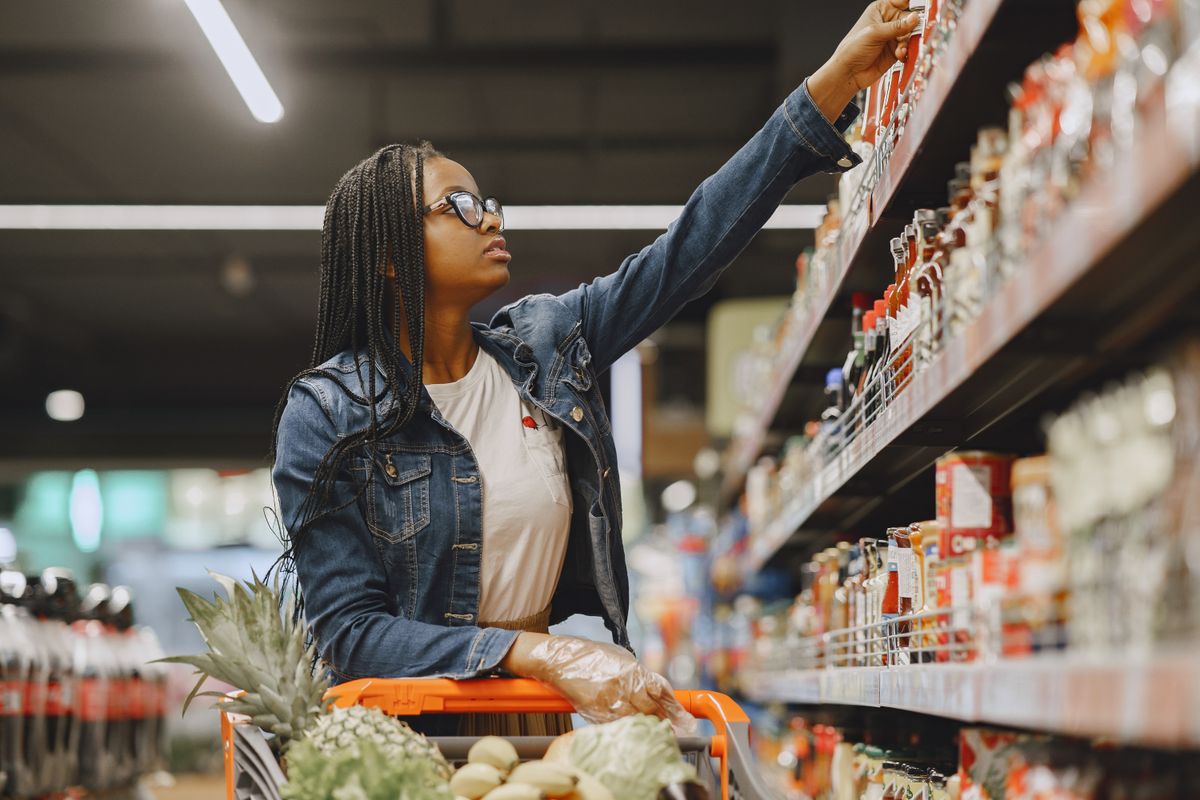
Walmart’s digital price tags are really a symbol of a bigger battle. Retailers want smarter stores, faster systems, cleaner operations, and better control over pricing. Shoppers want fair prices, clear rules, and confidence that food costs will not jump because a software system decided the moment was profitable.
That tension is not going away. As more stores adopt digital shelf labels, lawmakers will likely keep pushing for guardrails. Retailers will keep arguing that the technology improves accuracy and efficiency. Shoppers will make their judgment in the most practical way possible: by watching the shelf, checking the receipt, and deciding whether the store still feels honest.