9 Things Boomers Saved Up For That People Now Buy Without Thinking
For many baby boomers, buying something big meant months of planning. Families put money aside in a coffee can or a passbook savings account, compared prices in the Sears catalog and talked it over at the kitchen table before making a decision. When the new item finally arrived, the whole family gathered around to see it.
Today, many of those same things are bought with a few taps on a phone, often without a second thought. Technology has made some products far cheaper, and convenience has changed how people shop. What once felt like a major milestone for a family now barely registers as a purchase.
Boomers often look back on those days with a mix of nostalgia and amusement. Here are nine things boomers and their parents once saved up for that people today buy without thinking twice, and the memories that came with them.
1. A Color Television
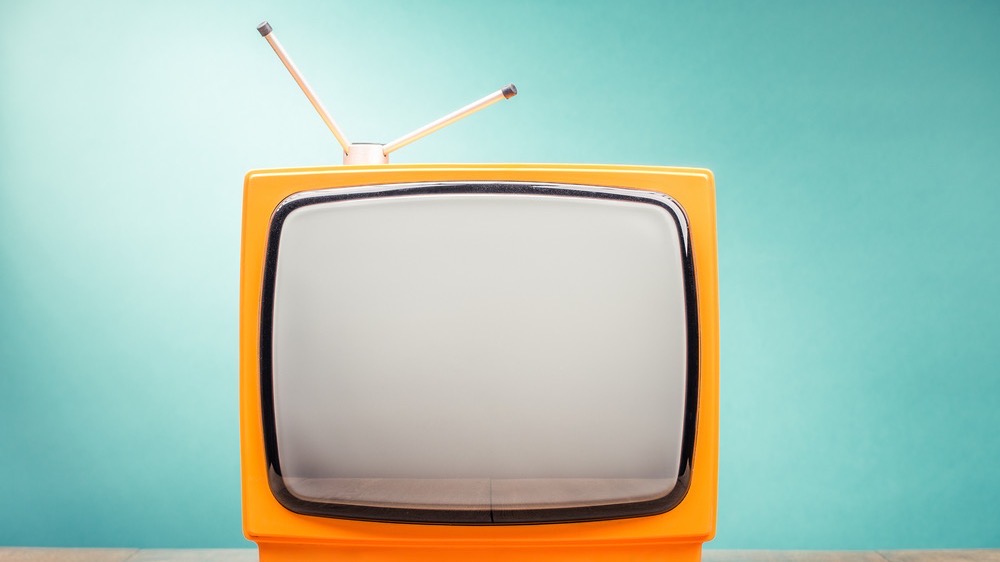
Color TV was one of the most exciting purchases a family could make in the 1960s and early 1970s. Even though color broadcasts began in the 1950s, color sets didn’t outsell black-and-white ones in the U.S. until 1972, according to the history of color television. For years, a color set was a real luxury.
Families often saved for months, and the TV arrived as a large piece of furniture in a wooden cabinet. Neighbors sometimes came over to watch shows in color for the first time. Today, people replace big flat-screen TVs every few years, often buying them on sale without much planning at all.
2. A Microwave Oven
When Amana introduced the first popular countertop microwave oven in 1967, it was an expensive, futuristic appliance. Many families saved up for one, and it became a status symbol in kitchens of the 1970s. Some people were even a little afraid of it at first.
Owning a microwave meant reheating leftovers in minutes and making popcorn without a pot. Families often attended cooking demonstrations to learn how to use them. Today, microwaves are inexpensive and found in nearly every kitchen, office and dorm room, and many people buy a new one without even comparing models.
3. Long-Distance Phone Calls
Boomers remember when calling someone in another state was a big deal. Long-distance calls were billed by the minute and could be expensive, so families waited until evenings or weekends, when rates were cheaper. Conversations with faraway grandparents were kept short, and someone usually watched the clock.
Many families even budgeted for long-distance calls, especially around holidays. Today, calling across the country costs nothing extra on most phone plans, and video chats with family overseas are free. It’s one of the biggest changes boomers have witnessed in their lifetimes.
4. A Plane Ticket
Before the Airline Deregulation Act of 1978 removed federal control over fares and routes, flying was expensive, and many families only flew for very special occasions. People dressed up in their best clothes to board a plane, and a flight was an event worth talking about for weeks.
Many boomers took their first flight as teenagers or young adults, and some families saved for years for a single trip. While air travel still isn’t cheap, it’s far more common today, and many people book flights online with little thought, sometimes just for a weekend getaway.
5. A Dinner Out at a Restaurant
For many boomer families, eating at a restaurant was a rare treat saved for birthdays, anniversaries or special celebrations. Mom cooked nearly every meal at home, and going out to dinner meant dressing up and minding your manners.
Today, many people eat out or order takeout several times a week, often without a special occasion. Food delivery apps have made restaurant meals even more convenient. Boomers often marvel at how something that once felt like a luxury has become part of everyday life.
6. A Set of Encyclopedias
Many families in the 1960s and 1970s bought a set of encyclopedias, often from a door-to-door salesman. They were expensive, sometimes paid for in monthly installments, and they took up a whole shelf in the living room. Parents saw them as an investment in their children’s education.
Kids used them for school reports, flipping through the heavy volumes to find information. Today, all that knowledge and more is available instantly on any phone or computer, and few families own a set of encyclopedias at all. Many old sets now sit in attics or end up at estate sales.
7. A Home Stereo System
In the 1970s, a good stereo system was a prized possession, especially for young adults and music lovers. A turntable, receiver and a pair of big speakers could cost a significant amount, and many people saved up for months to buy the components one piece at a time.
Owning a great stereo meant listening to vinyl records the way they were meant to be heard. Friends gathered to hear new albums together. Today, people stream almost any song ever recorded on a phone, often listening through inexpensive earbuds or small speakers bought on a whim.
8. A Pocket Calculator
When electronic pocket calculators first came out in the early 1970s, they were expensive gadgets. Students and professionals saved up to buy them, and owning one felt like having a piece of the future in your hand. Some schools even debated whether students should be allowed to use them.
Within a few years, prices dropped dramatically, and calculators became common. Today, nearly every phone has a calculator built in, and basic calculators cost just a few dollars. It’s hard for younger people to imagine saving up for one.
9. An Air Conditioner
In many boomer childhoods, summers were spent with the windows open, fans running and maybe a trip to the community pool to cool off. A window air conditioner was a big purchase, and many families saved for one, often starting with a single unit in the living room or the parents’ bedroom.
Having air conditioning felt like a true luxury on hot nights. Today, central air is standard in most new American homes, and many people can’t imagine life without it. Window units are inexpensive and easy to buy, but boomers still remember sleeping on the porch on sweltering summer nights.
What Saving Up Taught Boomers
Saving up for big purchases taught boomers patience, planning and appreciation. When you waited months for something, you valued it more, took care of it and often kept it for years. Many boomers still have this mindset today, carefully considering purchases that younger generations might make on impulse.
It also created shared family memories. The day the new TV arrived or the first time the family flew together became stories told for decades. Many of those memories are tied to the old Sears Wish Book, which families flipped through for months before Christmas.
A Different Kind of Value
There’s no doubt that modern life offers incredible convenience, and few people would want to go back to expensive long-distance calls or flying only once a decade. But boomers often say something was gained in the waiting. The anticipation made the reward feel bigger.
Next time you buy something with a quick tap, consider how it might have felt to save up for months for the same thing. It’s a reminder that the value of an item isn’t always about its price, and that patience can make even simple things feel special.