Nutritionist Reveals The Healthiest Cereals On Your Supermarket Shelf And The Ones You Should Always Avoid
Walking down the cereal aisle can feel like navigating a maze of colorful boxes, health claims, and tempting flavors. Many products promise “whole grains,” “high fiber,” “low fat,” or “packed with vitamins,” but nutrition experts warn that not every cereal marketed as healthy belongs on your breakfast table.
A nutritionist has revealed which cereals are among the best choices for a balanced diet and which popular options may contain more sugar and processed ingredients than many shoppers realize.
While cereal can be a convenient, nutritious breakfast, experts say the key is to look beyond the front of the box and pay close attention to the ingredient list and nutrition label.
What Makes a Cereal Healthy?
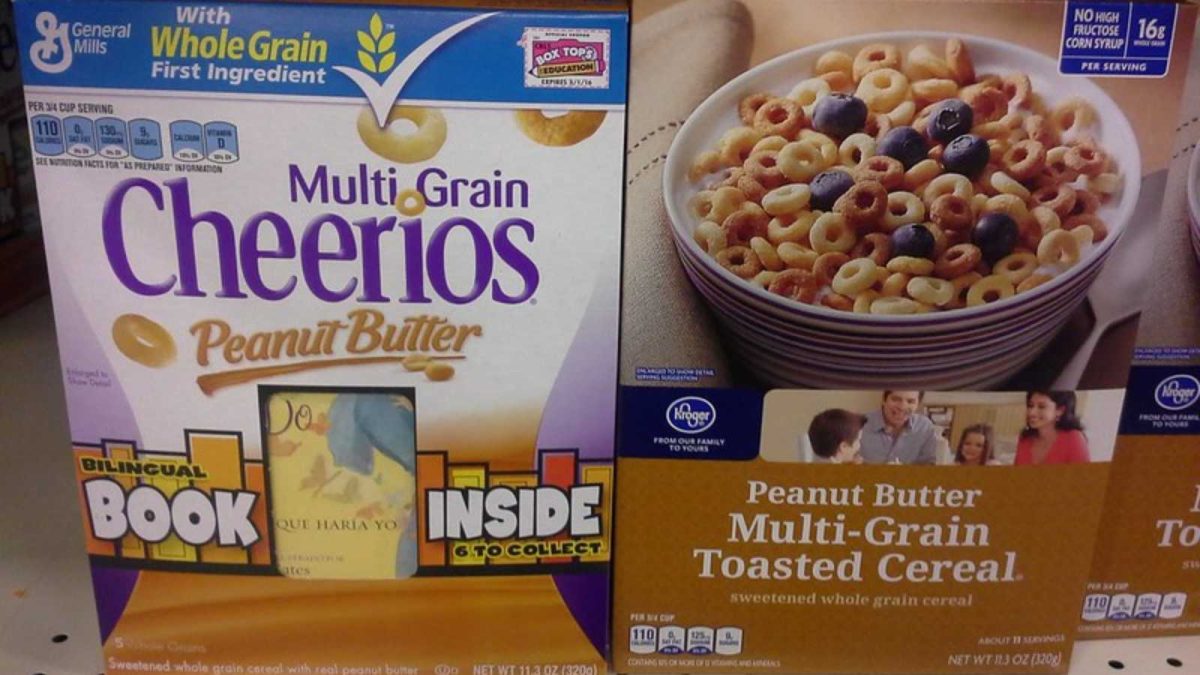
According to nutrition professionals, the healthiest cereals generally share a few important characteristics.
A good breakfast cereal should contain:
- Whole grains as the first ingredient
- High fiber content
- Low added sugar
- Minimal artificial ingredients
- A reasonable amount of protein
- Little or no unnecessary additives
Whole grains provide important nutrients, including fiber, magnesium, and B vitamins. Fiber can help support digestion, maintain steady energy levels, and keep you feeling full for longer.
Nutritionists often recommend choosing cereals with at least 3–5 grams of fiber per serving and limiting cereals high in added sugar.
“Many people choose cereal based on the health claims on the front of the package,” nutrition experts say. “But the nutrition facts panel tells the real story.”
The Healthiest Cereals You Can Buy
Plain Oatmeal and Oat-Based Cereals
Oats consistently rank among the healthiest breakfast choices because they are naturally rich in soluble fiber, particularly beta-glucan, which has been linked to heart health benefits.
Plain rolled oats or steel-cut oats are excellent choices because they contain no added sugar and can be customized with healthy toppings such as berries, nuts, seeds, or cinnamon.
For people who prefer ready-to-eat cereal, oat-based options with minimal ingredients can also be a smart choice.
Bran Cereals
High-fiber bran cereals are another strong option for people looking to improve their daily fiber intake.
Many adults do not consume enough fiber, and bran cereals can help bridge that gap. However, shoppers should still check sugar levels because some flavored varieties contain significant amounts of added sweeteners.
A plain bran cereal paired with milk, yogurt, or fresh fruit can make a filling, nutrient-rich breakfast.
Whole-Grain Cereals
Cereals made primarily from whole grains such as wheat, oats, or barley can be good everyday choices.
Whole-grain cereals typically provide more nutrients than refined grain cereals because the grain’s outer layers remain intact.
Look for labels that list ingredients such as:
- Whole wheat
- Whole oats
- Brown rice
- Whole rye
- Barley
The fewer processed ingredients listed, the better.
Low-Sugar Muesli
Traditional muesli, made with rolled oats, nuts, seeds, and dried fruit, can be a nutritious alternative to many boxed cereals.
It provides a combination of complex carbohydrates, healthy fats, and fiber.
However, nutritionists caution that some commercial muesli products contain added sugar, chocolate pieces, or sweetened dried fruit, turning a healthy option into a dessert-like breakfast.
Choosing an unsweetened version is usually the better option.
High-Protein Cereals
Protein-focused cereals have become increasingly popular, especially among people who want a more filling breakfast.
Some options include added protein from ingredients such as nuts, seeds, legumes, or dairy-based proteins.
Experts suggest pairing cereal with Greek yogurt, milk, or nuts to boost protein intake and stay full throughout the morning.
Cereals Nutritionists Say You Should Limit or Avoid
Not all cereals are created equal. Some products contain large amounts of sugar, refined grains, and artificial ingredients while offering little nutritional value.
Sugary Children’s Cereals
Brightly colored cereals marketed toward children are among the biggest concerns for nutrition experts.
Many of these cereals contain high levels of added sugar and are designed to taste more like a sweet snack than a balanced meal.
Although some brands add vitamins and minerals, nutritionists warn that fortification does not offset excessive sugar.
A cereal box may advertise added nutrients, but parents should still check the sugar content per serving.
Chocolate and Dessert-Flavored Cereals
Cereals with names suggesting cookies, chocolate treats, marshmallows, or candy flavors often contain significant amounts of sugar.
These products can cause blood sugar levels to rise quickly, potentially leaving people hungry again soon after breakfast.
Nutritionists recommend treating these cereals as occasional treats rather than everyday breakfast choices.
Cereals Made With Refined Grains
Refined grain cereals may be heavily processed and stripped of some naturally occurring nutrients and fiber.
While some refined cereals are fortified with vitamins and minerals, they often lack the long-lasting benefits of whole grains.
Experts suggest checking whether “whole grain” appears as the first ingredient.
Granola With Hidden Sugar
Granola has a reputation for being healthy, but some varieties contain surprisingly high sugar and calorie levels.
Ingredients such as syrups, honey coatings, chocolate chips, and sweetened fruits can significantly increase sugar levels.
A small serving size can also make it easy to consume more calories than expected.
Nutritionists advise choosing granolas with simple ingredients and using moderate portions.
Cereals With Long Ingredient Lists
A long list of unfamiliar ingredients does not automatically mean a cereal is unhealthy, but experts often recommend caution.
Highly processed cereals may contain artificial flavors, preservatives, and sweeteners that provide little nutritional benefit.
A simple ingredient list is usually a good sign.
How to Choose the Right Cereal at the Store
Nutritionists suggest using a few simple shopping rules:
Check the first ingredient:
Choose cereals where whole grains appear first.
Compare sugar levels:
Avoid cereals with excessive added sugars, especially if eaten daily.
Prioritize fiber:
Higher fiber cereals can support digestion and help control hunger.
Watch portion sizes:
Many people pour much larger servings than the package lists.
Add your own toppings:
Fresh fruit, nuts, seeds, and plain yogurt can improve the nutritional value of almost any cereal.
The Bottom Line
Cereal can still fit into a healthy lifestyle, but shoppers need to look beyond attractive packaging and marketing claims.
The best choices are usually simple cereals made from whole grains, oats, or bran with plenty of fiber and little added sugar. Meanwhile, heavily sweetened cereals that resemble desserts may be better saved for occasional enjoyment.
A healthier breakfast does not have to be complicated. By reading labels carefully and choosing nutrient-rich options, consumers can turn a quick bowl of cereal into a meal that supports energy, digestion, and overall well-being.