9 Things Grandma Said to Get Kids to Eat Their Vegetables
Every generation of kids has tried to hide peas under a napkin or feed green beans to the dog under the table. And every generation of grandmothers has had a few clever lines ready to win the battle. Some were sweet, some were stern and a few were wildly creative stretches of the truth.
If you grew up eating at Grandma’s table, you probably heard at least a few of these. Many of them still get repeated at family dinners today, passed down from one generation to the next. Here are nine things grandmothers said to get kids to eat their vegetables, and the stories behind some of them.
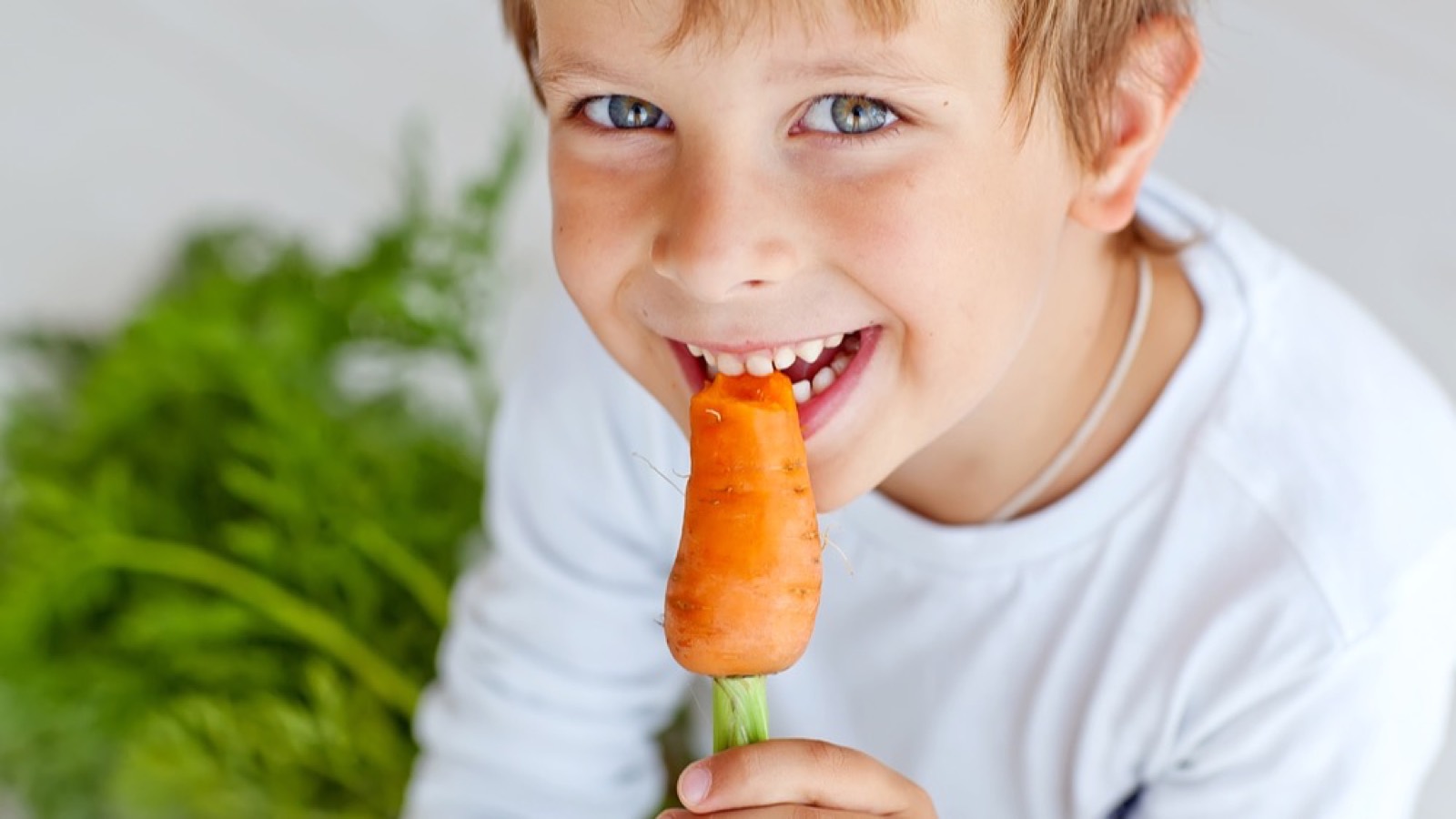
1. “Carrots Will Help You See in the Dark”
This is one of the most famous vegetable lines of all time. Plenty of grandmothers told kids that eating carrots would let them see in the dark like a cat. Children who wanted superpowers happily crunched away.
The saying got a big boost during World War II. British officials promoted carrots during wartime blackouts, and stories spread that pilots’ carrot-heavy diets helped them spot enemy planes at night, a tale that may have helped draw attention away from new radar technology, as Smithsonian Magazine has reported. The story stuck, and grandmothers kept using it for decades.
2. “Eat Your Spinach So You’ll Be Strong Like Popeye”
For kids who grew up watching cartoons, Popeye the Sailor was proof that spinach worked miracles. One can of spinach, and Popeye could knock out any bully on the screen. Grandma knew exactly how to use that to her advantage.
Popeye first appeared in a comic strip in 1929, and his love of spinach became one of his trademarks. Spinach farmers were so grateful that Crystal City, Texas, which calls itself the spinach capital of the world, put up a Popeye statue in 1937. More than a few grandmothers served creamed spinach with a reminder of what Popeye could do.
3. “There Are Starving Children Who Would Love That”
This line was used by grandmothers and mothers all across the country. Kids who refused their vegetables were reminded that children in other parts of the world had nothing to eat. It was meant to make them grateful, and it often made them feel guilty instead.
Many kids responded by offering to mail their broccoli to those children, which rarely went over well. Still, the lesson about not wasting food stuck with a lot of people. Plenty of adults admit they still hear Grandma’s voice when they leave food on their plate.
4. “You Can’t Have Dessert Until Your Plate Is Clean”
The clean plate rule was a cornerstone of many family dinners. Grandma might have baked a pie or made pudding, but nobody got a bite until every vegetable was gone. It was a simple trade that worked surprisingly well.
Kids became experts at negotiating how many bites counted as “clean.” Some swallowed peas whole like pills just to get to the cake. For better or worse, the clean plate club is one of the most memorable rules of growing up in that era.
5. “It’ll Put Hair on Your Chest”
This odd saying was usually aimed at boys, and sometimes at girls too, just to make them laugh. Grandma might say it about anything from spinach to Brussels sprouts to a spoonful of horseradish. The idea was that eating your vegetables would make you grow up big and tough.
Most kids didn’t really want hair on their chest, but they liked the idea of being grown-up and strong. The phrase was more about humor than nutrition. It’s still a favorite line among grandfathers trying to coax a grandchild into trying something new.
6. “Just Try One Bite”
Sometimes the simplest approach worked best. Grandma would ask a child to take just one bite before deciding they didn’t like something. If they still hated it, she promised not to push.
Of course, that one bite often turned into two or three once the child realized it wasn’t so bad. Many people credit this patient method with getting them to try foods they later loved. It remains one of the most popular strategies parents and grandparents use today.
7. “Eat Your Crusts and Your Hair Will Curl”
Not every saying was about vegetables, but this one often got mixed in with the rest. Grandmothers told children that eating bread crusts would make their hair curly. In an era when curly hair was fashionable, some kids happily ate every crust.
The saying was usually paired with demands to finish the vegetables, too. Grandma had a whole collection of these lines, and she wasn’t afraid to use them all in one meal. Kids rarely knew which ones to believe.
8. “The Garden Worked Hard to Grow That”
Many grandmothers grew their own vegetables, so they took it personally when kids refused to eat them. They reminded children about the hours spent planting, weeding and picking those green beans in the summer heat. Wasting them felt like wasting all that work.
Some grandmothers had kids help in the garden, which made them more likely to eat what they’d picked themselves. There’s something about pulling a carrot out of the dirt that makes it taste better. That hands-on lesson stuck with many children for life.
9. “You’ll Sit There Until It’s Gone”
When all the clever lines failed, some grandmothers simply played the waiting game. The child stayed at the table, staring at a cold pile of peas, until they gave in or bedtime arrived. Many people have vivid memories of sitting alone in the kitchen long after everyone else had left.
It wasn’t the gentlest method, but it was common in many households of that era. Today, most parents and grandparents take a softer approach, offering choices and serving vegetables in new ways. Still, people who sat out those standoffs often laugh about them now.
Why These Sayings Stuck Around
Grandma’s vegetable lines lasted because they were memorable, funny and sometimes a little bit dramatic. Many of them are tied to warm memories of family dinners, even if kids didn’t enjoy them at the time. Today’s grandparents often find themselves repeating the very same words, and those dinner-table moments are often what grandkids remember most.
Getting kids to eat their vegetables has always been a challenge, and every family has its own tricks. Some of Grandma’s methods were questionable, but they came from love and a desire to raise healthy, grateful kids. If you hear yourself saying one of these at the dinner table, you’ll know exactly where it came from.
Whether you believed every word or saw right through them, Grandma’s sayings were part of what made her table special. They came with a wink, a smile and a second helping of whatever was on the stove.