9 Things You Should Never Do When Handing Out Halloween Candy
Halloween is that wonderful time of year when your doorbell becomes the busiest thing in the house. Little superheroes, witches, ghosts, and princesses line up for candy, while homeowners enjoy seeing their neighborhoods come alive.
Handing out candy seems simple enough. Buy a few bags, fill a bowl, and answer the door. What could possibly go wrong?
Quite a bit, actually. From accidentally embarrassing children to creating porch safety hazards, small mistakes can quickly spoil the fun.
Fortunately, you don’t need a complicated plan to become everyone’s favorite Halloween stop. Just avoid these nine common mistakes.
Assuming Every Child Can Eat Your Candy
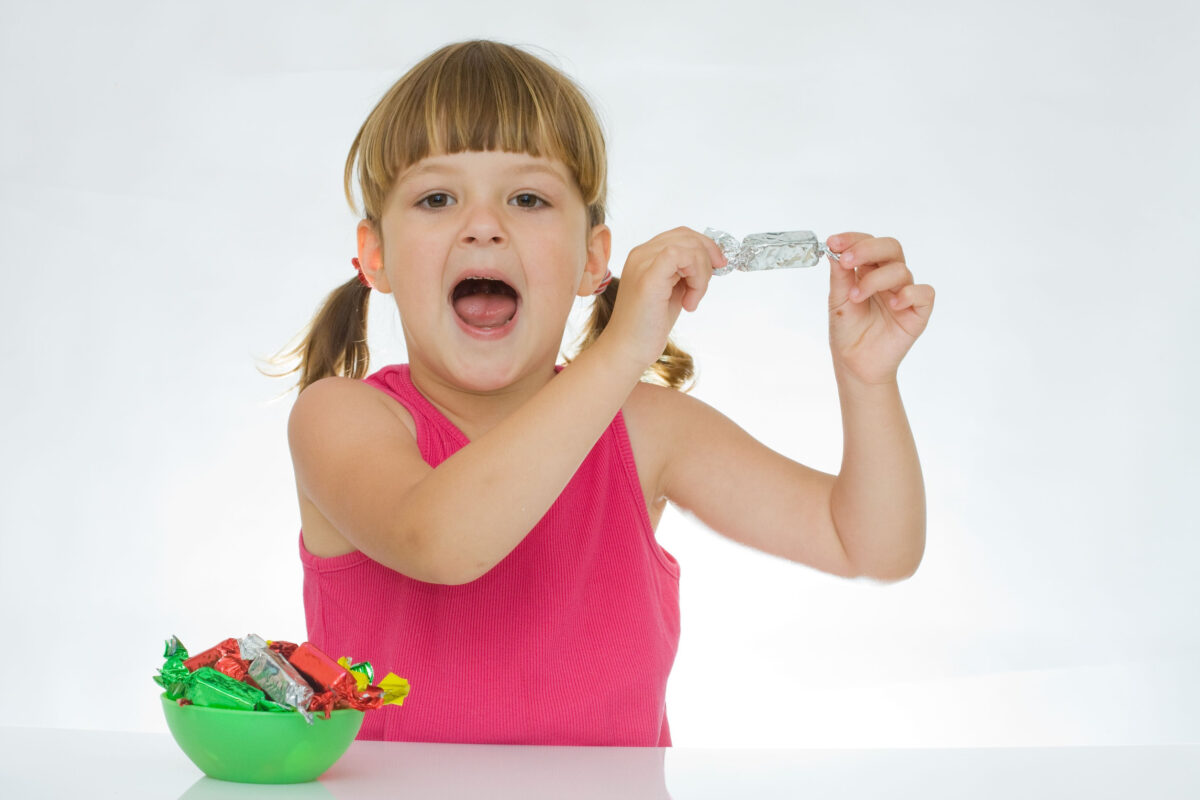
That giant bowl of chocolate might look irresistible, but not every child can safely enjoy what’s inside.
Some children have food allergies, and even a small amount of an allergen can cause a serious reaction. Others may have dietary restrictions that make certain treats unsuitable.
Instead of assuming everyone wants the same candy, consider offering nonfood alternatives.
The nonprofit Food Allergy Research & Education promotes the Teal Pumpkin Project, which encourages households to provide nonfood treats alongside traditional candy.
Stickers, pencils, and small notebooks can make thoughtful alternatives.
Keep candy and nonfood treats in separate containers, and never promise that a particular sweet is safe for every allergy. Let children and their parents decide what works for them.
Making Kids Perform Before Getting Candy
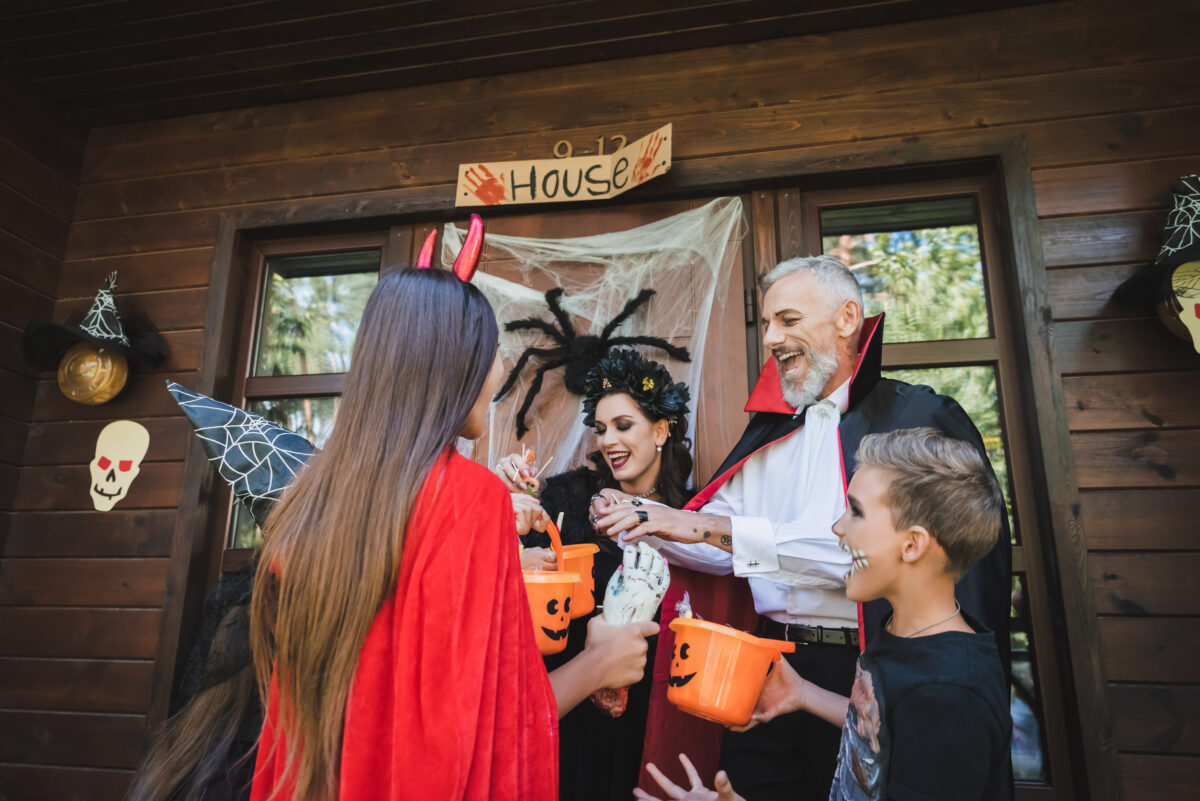
We’ve all heard the traditional Halloween greeting: “Trick or treat!”
But what happens when a child doesn’t say anything?
Some adults insist on hearing those magic words before handing over candy. Others demand a joke, a dance, or even an explanation for why someone isn’t wearing a costume.
That might seem playful, but it can make the experience uncomfortable.
Some children are shy, while others have speech difficulties or communicate differently. A child without a costume might also have a perfectly reasonable explanation.
The Emily Post Institute recommends being patient with children who hesitate to speak.
A friendly smile and “Happy Halloween!” are enough. Nobody should have to audition for a miniature chocolate bar.
Refusing Candy to Teenagers
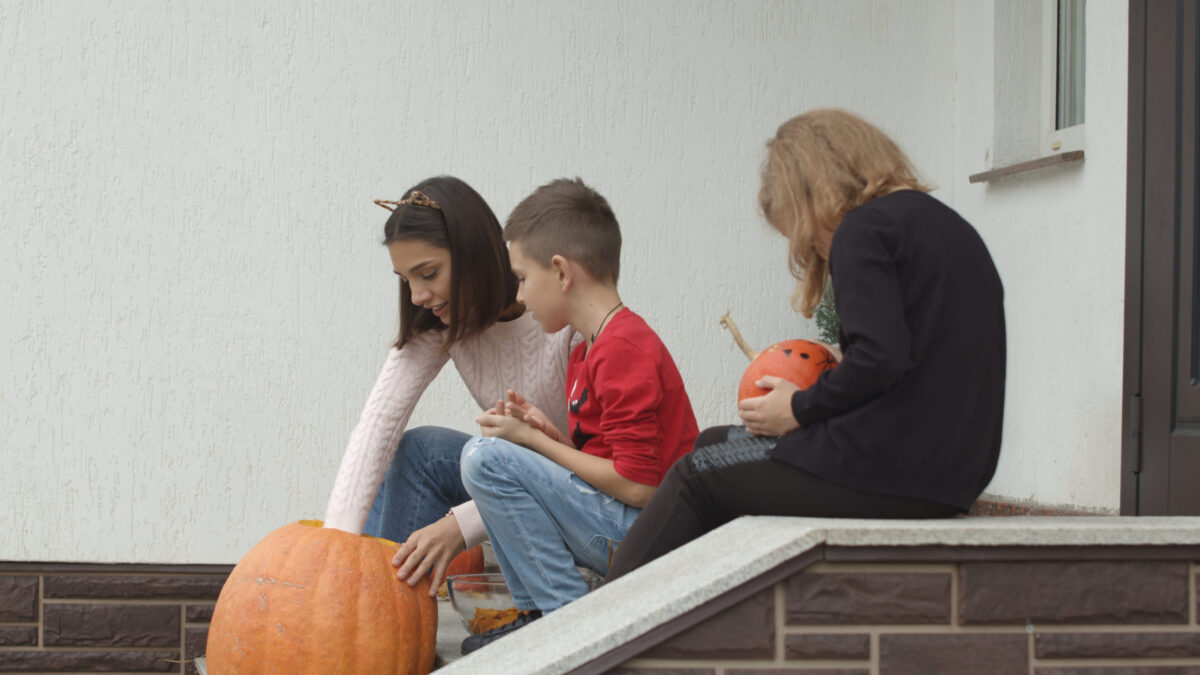
A group of teenagers comes by, and suddenly you’re wondering whether they’ve outgrown trick-or-treating.
It’s a familiar Halloween debate.
Some homeowners believe candy should be reserved for younger children. But turning away polite teenagers simply because they’re tall or look older can create unnecessary embarrassment.
After all, they’re participating in a neighborhood tradition, too.
The Emily Post Institute encourages homeowners to give teenagers treats rather than making their age an issue.
A respectful teenager wearing a costume deserves the same friendly welcome as a younger visitor.
Of course, local trick-or-treating rules can vary, so it’s worth checking your community’s guidelines.
Otherwise, there’s little reason to turn Halloween into an age-verification exercise.
Leaving Your Porch Dark or Cluttered
Your decorations might look incredible, but that plastic skeleton won’t seem nearly as charming if someone trips over its extension cord.
Before trick-or-treaters arrive, take a quick walk along the route to your front door.
Look for garden hoses, scattered toys, bicycles, loose decorations, and anything else that could cause someone to stumble.
Wet leaves on steps can also be a hazard.
The American Academy of Pediatrics recommends clearing obstacles, checking outdoor lighting, and keeping walkways safe for visitors.
Make sure children can see steps and changes in ground level.
And if you’re decorating with pumpkins, flameless candles are a practical alternative to open flames near busy walkways.
Your house can still look wonderfully spooky without turning the entrance into an obstacle course.
Letting Your Dog Greet Every Trick-or-Treater
You love your dog. Your dog loves you. But that doesn’t necessarily mean your dog loves dozens of strangers wearing unusual costumes.
Even friendly pets can become excited or frightened by repeated doorbell ringing, unfamiliar faces, and sudden noises.
A jumping dog might knock over a small child, while a frightened pet could slip through an open door.
The ASPCA recommends keeping most dogs and cats in a comfortable room away from the front entrance during Halloween activities.
Give your pet a quiet place to relax before the crowds arrive.
And remember, telling a frightened child that your dog is friendly doesn’t automatically make the encounter enjoyable.
Sometimes the kindest Halloween greeting from your pet is no greeting at all.
Giving Out Old or Damaged Candy
Found a forgotten bag of Halloween candy in the back of your pantry?
Before dumping it into this year’s treat bowl, take a closer look.
Candy that’s been stored improperly, has torn packaging, or shows signs of spoilage shouldn’t be handed out.
According to Virginia Tech, candy quality and shelf life depend on factors such as ingredients and storage conditions.
That doesn’t mean every piece becomes dangerous the moment its best-by date passes.
However, damaged wrappers, unusual odors, visible spoilage, or uncertain storage conditions are good reasons to replace questionable treats.
Check what you’re handing out before the first doorbell rings.
Halloween is supposed to be about pleasant surprises, not discovering that your candy bowl contains last year’s forgotten leftovers.
Offering Homemade Treats to Unfamiliar Children
Homemade brownies and freshly baked cookies sound like wonderful Halloween treats.
But there’s one problem: families who don’t know you cannot easily verify what’s inside them.
Parents may worry about ingredients, allergens, and food handling, even when the person preparing the treats has perfectly good intentions.
The Food and Drug Administration advises families to avoid treats that aren’t commercially wrapped.
That doesn’t make homemade goodies automatically dangerous.
It simply means packaged candy is generally a more comfortable choice when handing treats to unfamiliar visitors.
Save homemade cookies for friends, relatives, and neighbors who know you.
And if someone politely declines your homemade snack, don’t take it personally. Halloween shouldn’t come with an awkward argument over baked goods.
Giving Toddlers Candy or Toys That Are Too Small
Tiny trick-or-treaters are adorable, especially when their costumes are almost as big as they are.
But their treats require a little extra thought.
Hard candy, chewing gum, whole nuts, and certain small sweets can pose choking hazards for very young children.
Even nonfood alternatives need careful consideration.
That miniature plastic spider ring might look like a clever substitute for candy, but small toys can also create choking risks.
The American Academy of Pediatrics recommends choosing age-appropriate treats and objects, especially for babies and toddlers.
When a very young child approaches your door, offer the accompanying adult a suitable choice.
Age-appropriate crayons or a small notepad may be better options than tiny novelty toys.
The goal is simple: make sure the youngest visitors can enjoy Halloween without receiving something unsuitable for their age.
Scaring Children Before Giving Them Candy
Halloween wouldn’t be Halloween without a few creepy decorations.
Fog machines, animated skeletons, glowing eyes, and spooky sound effects can make your house a neighborhood attraction.
But there’s a difference between creating a spooky atmosphere and deliberately frightening every visitor.
A screaming decoration that suddenly activates beside a toddler’s face might be hilarious to an older child but overwhelming to someone much younger.
Children also have different comfort levels with loud sounds, flashing lights, and unexpected surprises.
Cincinnati Children’s Hospital notes that these sensory experiences can be especially difficult for some children with autism.
You don’t need to pack away your haunted-house decorations.
Simply make sure families can reach the candy without being forced through an intense scare.
Keep the biggest surprises for visitors who genuinely enjoy them.
After all, the best Halloween memories usually involve laughter, not tears on the front steps.
A Little Kindness Makes Halloween Sweeter
Handing out Halloween candy isn’t a competition to see who has the biggest chocolate bars or the most frightening decorations.
It’s about making your neighborhood feel welcoming for a few magical hours.
A clear walkway, a thoughtful selection of treats, a safely secured pet, and a little patience can make all the difference.
And when that last tiny ghost disappears down the sidewalk, you’ll know you’ve done more than hand out candy.