9 Things You Should Never Put in a Slow Cooker, According to Food Safety Experts
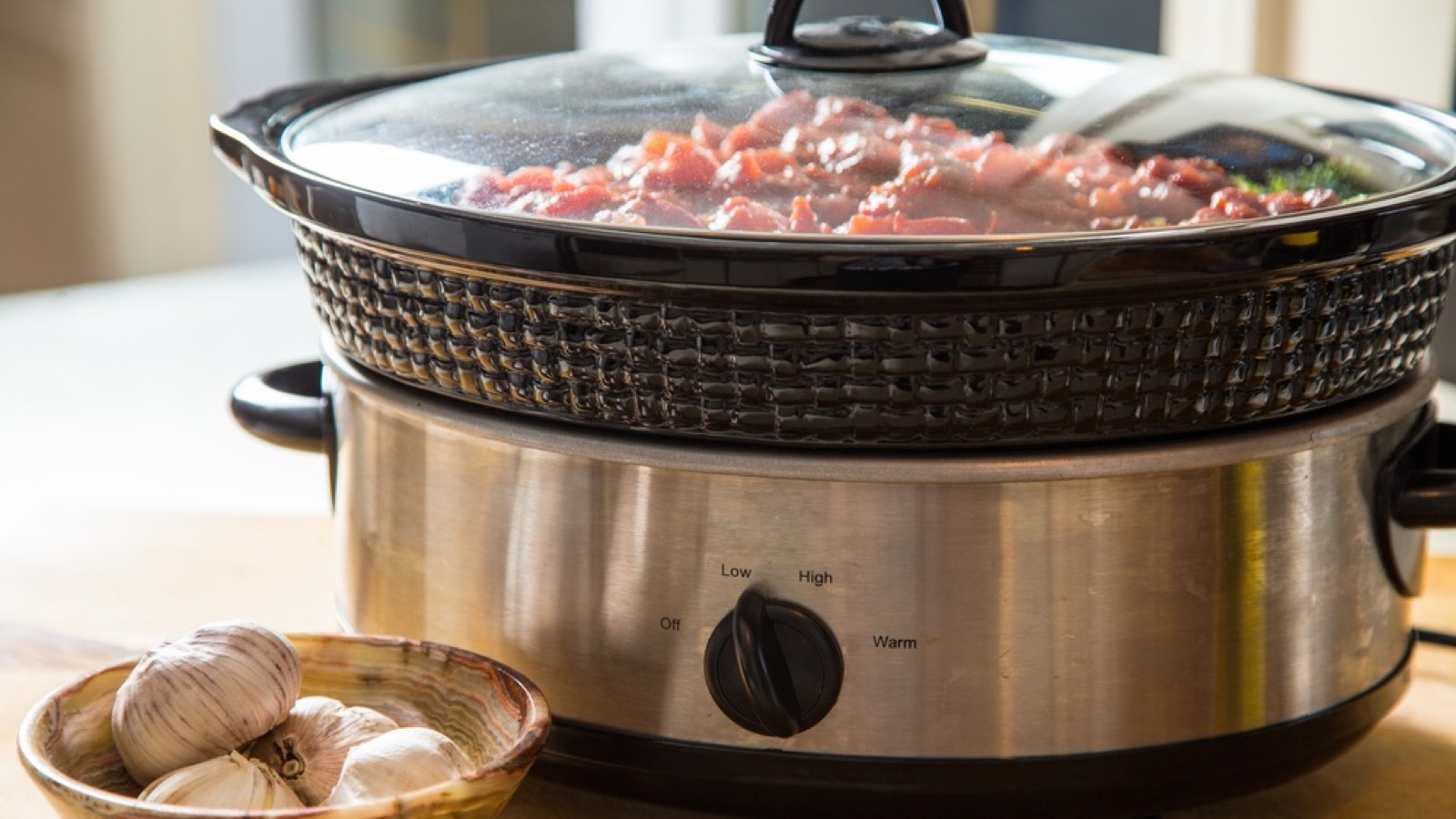
The slow cooker is one of the most beloved appliances in the American kitchen. Since the Crock-Pot became a household name in the 1970s, millions of families have relied on it to turn tough cuts of meat into tender dinners while they’re at work. Toss in the ingredients in the morning, and dinner is ready when you walk in the door.
But as handy as slow cookers are, they aren’t foolproof. Because they cook at low temperatures over long periods, certain foods can end up undercooked, mushy or even unsafe if they’re handled the wrong way. The U.S. Department of Agriculture’s Food Safety and Inspection Service has a whole guide on slow cookers and how to use them safely, and its advice is worth knowing for anyone who uses one regularly.
Some items are best left out of the pot entirely, while others should only go in at the right time or in the right way. Here are nine things food safety experts and test kitchens say you should never put in a slow cooker.
1. Frozen Meat
This is the most important rule. The USDA advises against putting frozen meat or poultry directly into a slow cooker. Because slow cookers heat up gradually, frozen meat can spend too much time in the temperature “danger zone” between 40°F and 140°F, where bacteria multiply quickly.
Always thaw meat in the refrigerator before slow cooking. If you’re in a hurry, cook frozen meat another way, such as in the oven or on the stove, where it heats faster. It may be tempting to toss in a frozen roast in the morning, but it’s not worth the risk.
2. A Whole Chicken That’s Too Big
A whole chicken can be cooked in a slow cooker, but only if it fits properly and reaches a safe internal temperature. A large bird in a small cooker may not heat through evenly, leaving parts of it undercooked for too long.
Food safety experts recommend cutting larger poultry into pieces so it cooks more evenly. Always check the thickest part of the meat with a thermometer. Poultry should reach 165°F to be safe.
3. Dried Red Kidney Beans That Haven’t Been Boiled
Dried red kidney beans contain a natural compound that can make people sick if the beans aren’t cooked at a high enough temperature. Slow cookers on the low setting may not get hot enough to destroy it, according to the U.S. Food and Drug Administration’s food safety guidance.
The fix is simple. Soak dried kidney beans, then boil them hard on the stove for at least 10 minutes before adding them to the slow cooker. Or use canned kidney beans, which are already cooked and safe.
4. Too Much Liquid
It’s easy to overdo the liquid in a slow cooker. Unlike stovetop cooking, very little liquid evaporates because the lid stays on. If you add as much broth or water as a regular recipe calls for, you’ll often end up with a watery, bland dish.
Most slow cooker recipes call for less liquid than you might expect. Meat and vegetables release their own juices as they cook. If something turns out too thin, you can remove the lid for the last hour or thicken the sauce at the end.
5. Dairy Added at the Beginning
Milk, cream, sour cream and cheese don’t hold up well over long cooking times. They can curdle, separate or turn grainy after hours in the pot. That’s why many slow cooker recipes call for dairy to be stirred in during the last 30 minutes.
If a recipe tells you to add cream cheese, sour cream or shredded cheese, follow the timing carefully. Adding it too early is one of the most common reasons slow cooker soups and casseroles turn out with an odd texture.
6. Delicate Seafood
Shrimp, scallops and most fish cook in just minutes. Put them in a slow cooker for hours and they’ll turn rubbery, tough or fall apart. Seafood can also spoil quickly if it isn’t kept at the right temperature.
If you want to make a seafood stew or gumbo in a slow cooker, add the seafood near the end of cooking. That way it cooks gently and stays tender, while the rest of the dish has hours to develop flavor.
7. Raw Pasta and Rice Too Early
Pasta and rice absorb liquid and can quickly become mushy and gummy in a slow cooker. If you add them at the beginning of an eight-hour cook, you’ll likely end up with a pot of paste.
It’s better to cook pasta and rice separately and add them at the end, or stir them in during the last 30 minutes. Some recipes are specially designed for slow cooker pasta, but they require careful timing.
8. Tender Vegetables at the Start
Hearty vegetables like carrots, potatoes and onions do well in a slow cooker. But tender vegetables like peas, zucchini, spinach and asparagus turn mushy and lose their color after hours of cooking.
Add delicate vegetables near the end. Many cooks also put root vegetables on the bottom of the pot, close to the heat, and place meat on top, because dense vegetables take longer to cook through.
9. Leftovers for Reheating
Slow cookers are not designed to reheat leftovers. The USDA says cooked food should be reheated quickly on the stove, in the microwave or in the oven until it reaches 165°F, and then it can be placed in a slow cooker to keep it hot for serving.
Reheating cold leftovers slowly in a slow cooker can leave them in the danger zone for too long. It’s a simple step to skip, but an important one for food safety, especially with holiday leftovers.
More Slow Cooker Safety Tips
Food safety experts also recommend keeping the lid on as much as possible, since every peek lets out heat and adds cooking time. Fill the cooker between half and two-thirds full so food cooks evenly. And if the power goes out while you’re away, the USDA advises throwing the food out, even if it looks done.
Starting on the high setting for the first hour, then switching to low, can help food heat up faster. And always use a food thermometer to confirm meat has reached a safe temperature. Like other kitchen items that need a little care, the slow cooker lasts longer and works better when it’s used the right way.
The Bottom Line
Used correctly, the slow cooker is still one of the easiest ways to put a hearty, home-cooked meal on the table. Just keep frozen meat out, watch your timing with dairy, pasta and seafood, and never use it to reheat leftovers. Follow those rules, and your slow cooker will keep delivering tender pot roasts, chili and soups for years to come, just like it did for generations of busy families before you.