Could Your Genes Reveal How Long You’ll Live? Science Says It’s Possible
Imagine if science could give us a clearer estimate of how long our bodies might last, not based on birth date, but on what’s actually going on inside our cells. That’s exactly what a new wave of aging research is promising.
Scientists have developed what’s being called a biological clock, a way to quantify not just how old your body seems to be, but how close it might be to the end of the road.
The implications are enormous, ranging from understanding the risk of chronic disease to, perhaps one day, testing whether lifestyle changes can genuinely extend life.
What Is a Biological Clock and Why Does It Matter
Chronological age, the number of candles on your birthday cake, doesn’t tell the full story of how your body is aging. Two 60‑year‑olds can have very different health profiles, metabolic rates, and disease risks. That’s where biological age comes in: it reflects the cumulative wear and tear on our cells, tissues, and organs. Researchers have long used epigenetic clock tools that read chemical tags on DNA to estimate this biological age. But now, scientists have gone further.
Instead of just looking at DNA methylation patterns (the basis of older epigenetic clocks), the newest research uses transcriptomes, essentially snapshots of which genes are currently active in cells across the body. By analyzing the activity levels of thousands of genes across multiple tissues and species, researchers have built a transcriptome clock that does more than estimate age. It correlates those molecular patterns with how close a person is to mortality, their “time left,” statistically speaking.
This isn’t science fiction. The research, published in Nature, drew on data from over 11,000 samples across four mammalian species, including humans, and compared gene activity patterns that change with aging. The result was a model that not only aligned with chronological age but also reflected the pace of aging and, crucially, predicted the risk of death with similar accuracy to existing epigenetic clocks.
Why This Isn’t a Crystal Ball ; But It’s Still Powerful
It’s important to be clear: this biological clock doesn’t tell you the exact day you’ll die. No test can do that. Mortality is influenced by accidents, infections, sudden illnesses, and countless environmental factors that no clock, however sophisticated, can foresee. What these clocks measure is biological aging risk, not destiny.
Think of it like a weather forecast. A forecast can tell you a storm is likely this afternoon based on atmospheric patterns, but it doesn’t know if lightning will strike a specific tree in your yard. Similarly, the transcriptome clock can indicate whether your body’s aging processes are accelerated or decelerated relative to your chronological age. It signals vulnerability, not fate.
How This Clock Works: Going Beyond DNA Tags
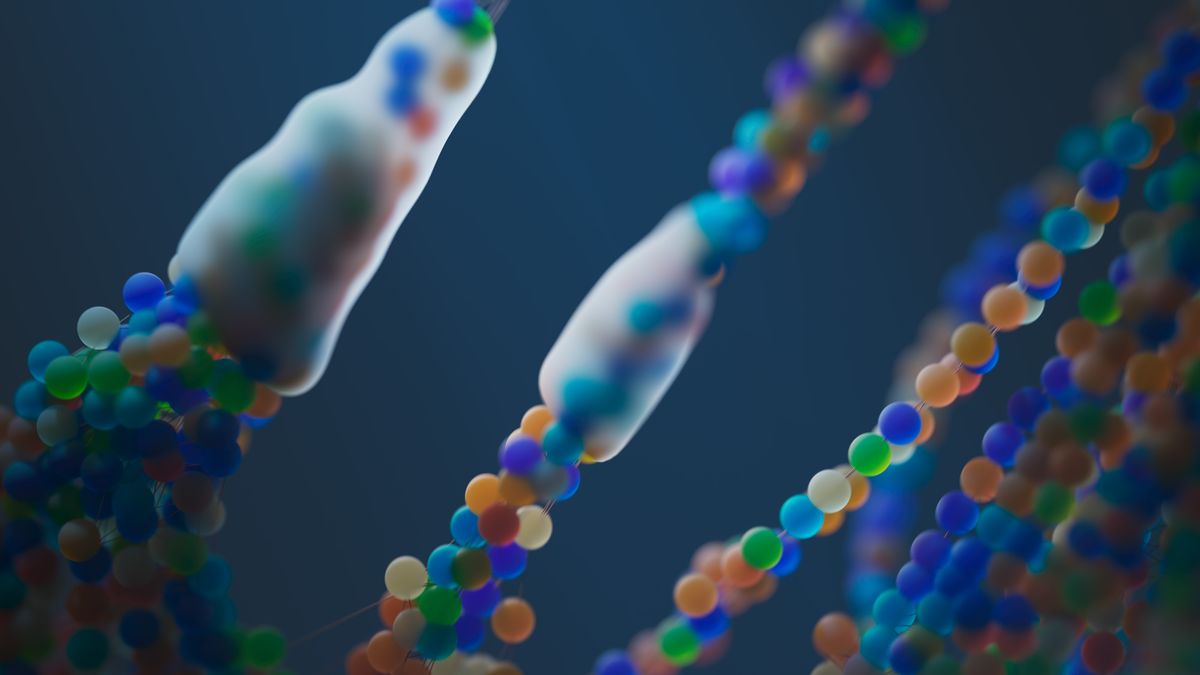
Traditional biological age measures focused on DNA methylation because those chemical markers change in consistent ways as we age. But they don’t show what cells are doing in real time. The transcriptome clock fills that gap by capturing which genes are turned on or off, providing a real-time view of cellular processes such as inflammation, wound healing, and programmed cell death.
Think of it as the difference between reading an old diary (epigenetic marks) and watching a live video feed (transcriptome activity). The diary shows where you’ve been; the video shows where you’re headed right now. By anchoring these patterns across species and tissue types, the clock can detect how “aged” a body truly is and how quickly its systems are winding down.
That’s a big deal. It brings researchers closer to a measurable link between molecular aging patterns and real-world outcomes like disease onset and mortality risk, something clinicians have long dreamed of.
What This Means for Medicine and Longevity Research
The most immediate value of this kind of clock lies in research and clinical trials. If scientists can measure biological aging rates accurately and quickly, they don’t have to wait decades to see if an anti‑aging drug or lifestyle intervention works. Instead of waiting for long‑term mortality outcomes, researchers can use the clock as a rapid feedback tool, a proxy measure to see whether interventions slow the biological aging process at the cellular level.
For example, scientists could test whether a new drug reduces gene markers associated with inflammation or cell death signals that the clock would register as slower aging. That accelerates research, reduces costs, and could bring effective therapies to patients much sooner than traditional studies allow.
Beyond the Lab: What This Could Mean for Everyday Life

In the long run, tools like the transcriptome clock might empower individuals and doctors alike to monitor aging more meaningfully. Imagine sitting down with your physician, getting a blood or tissue sample analyzed, and receiving a personalized aging profile that highlights not just your biological age, but which systems in your body are driving that age. That could support a highly customized lifestyle or medical plans.
For instance, if inflammation markers are disproportionately high, a clinician might focus on an anti‑inflammatory diet and exercise programs. If cellular repair pathways look sluggish, targeted therapies might be considered. In that sense, the clock becomes a compass, helping steer health decisions rather than a grim countdown.
The Ethical and Personal Questions Ahead
Predictive biological clocks inevitably raise ethical dilemmas. If we know someone’s biological age is rising rapidly, how should that information be used? Could it influence insurance coverage, employment decisions, or individual anxiety? Researchers are mindful of these concerns, and experts stress that biological age should be a tool for support and prevention, not judgment or fatalism.
The goal is not to create a biological “death date” but to illuminate hidden vulnerabilities and empower healthier aging. Interventions ranging from exercise and diet to emerging pharmaceuticals could become more precisely targeted and personally tailored, shifting medicine toward a truly individualized approach.
What Comes Next in Aging Clocks Research

The field of aging clocks extends far beyond a single breakthrough. Researchers are now combining transcriptomic data with other biomarker proteins, metabolites, methylation patterns, and immune system signals to build ever more nuanced and accurate models.
Some studies already show that stress, diet, sleep patterns , and lifestyle factors can alter biological age markers over surprisingly short timescales, suggesting the aging process may be more malleable than previously assumed. Other research has linked unique blood signatures in super‑longevous individuals, people who live past 100, to unique biological age profiles that resist typical age‑related decline.
These “superagers” may hold clues about slowing the biological clock that could benefit the wider population. In short, aging clocks are not just about predicting death; they are about decoding the biology of life itself, how it responds to stress, heals, degenerates, and sometimes defies expectations.