9 Things You Should Never Store Under the Kitchen Sink
In most American kitchens, the cabinet under the sink is where things go when nobody knows where else to put them. Dish soap, a stack of grocery bags, a mystery bottle from 2014 and a lone rubber glove all crowd in together.
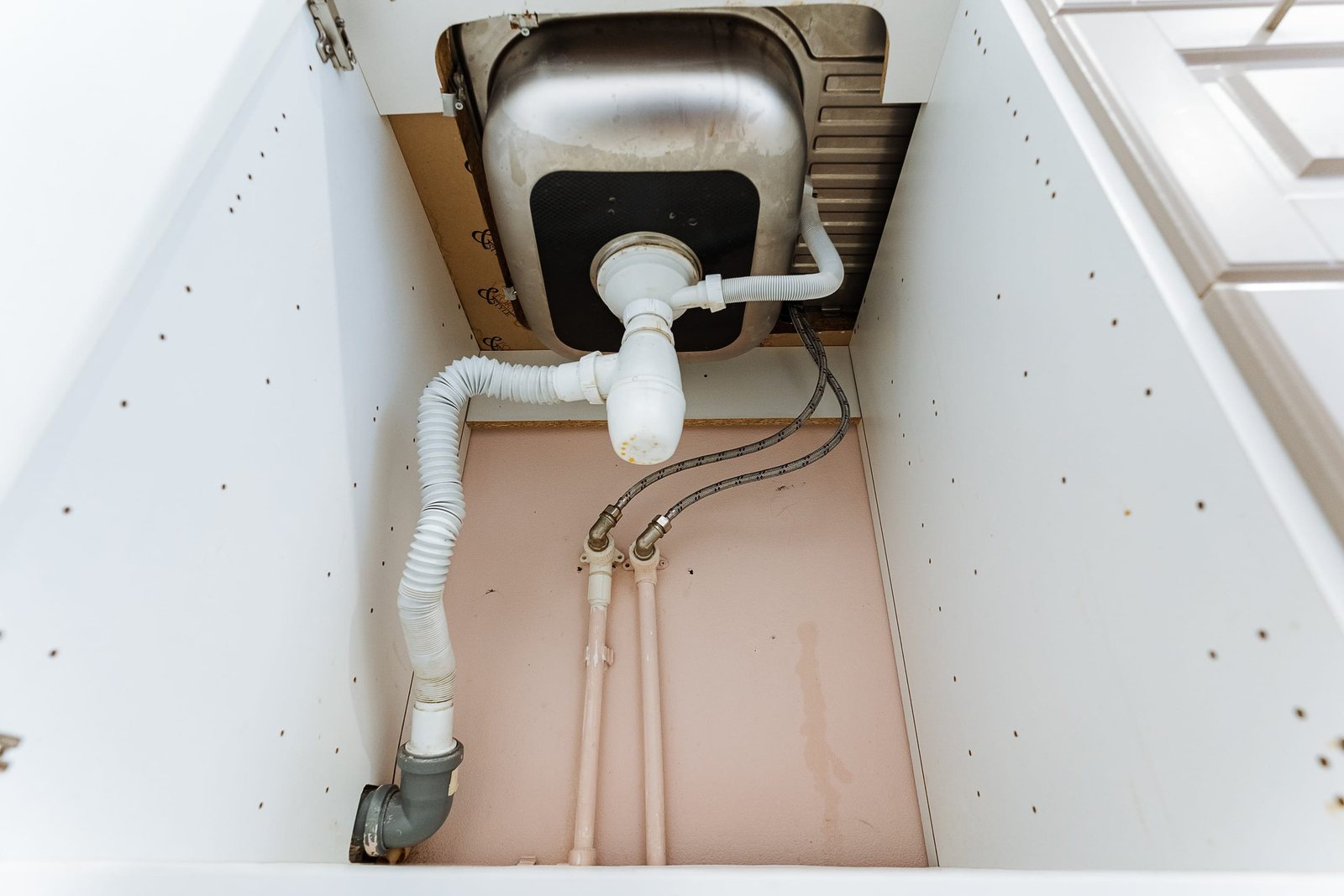
The trouble is that this cabinet sits right next to the plumbing, stays dark and can get damp from slow drips you may never notice. Here are nine things that are better off stored somewhere else, and where to put them instead.
1. Bleach Right Next to Ammonia or Vinegar Cleaners
It is tempting to line up every cleaner in one tidy row. But household chemicals should never be mixed, and the Indiana Department of Environmental Management notes that combining chlorine bleach with ammonia or vinegar can release toxic fumes. A leaky cap in a crowded cabinet is how accidental mixing happens. Keep bleach on its own shelf or bin, and keep caps screwed on tight. It is one of those kitchen mistakes that make us cringe once we think about it.
2. Bug Sprays and Garden Products
Ant spray, rodent bait and lawn products often end up under the sink because that is where the ants showed up. University of Missouri Extension recommends storing hazardous products away from food and beverages and specifically says pesticides should not be kept near food or cleaning products. A locked cabinet in the garage or utility room is a better home, as long as the label allows it. Garden products can join the rest of your outdoor gear when you put your hose away for winter.
3. Paint Thinner, Lighter Fluid and Other Flammables
Some products carry a flammable warning on the label, and those labels usually call for storage away from heat, sparks and flames. A cramped cabinet shared with other cleaners and appliance connections is not what those labels have in mind. Read the label, then move flammables to a dedicated, well-ventilated storage spot. Many people already sort these out when they work through the list of things you should never store in your garage in winter, since cold storage has its own rules.
4. Food, Snacks and Pet Food
Extra cans of soup or a bag of dog kibble might fit perfectly in that space, but it is the same cabinet where cleaning products live. Missouri Extension’s guidance is clear that hazardous products and food should be stored apart. A pantry shelf or a sealed bin in the laundry room keeps things simple, and that kind of clear separation is a habit shared by people who keep a spotless kitchen.
5. Anything Poured Into a Food or Drink Container
An old pickle jar full of homemade cleaner or a soda bottle of leftover drain solution might seem thrifty. The U.S. Environmental Protection Agency advises that you should never store hazardous products in food containers and should keep them in their original containers with labels intact. Original labels tell you exactly what is inside and how to use it.
6. Paper Towels, Grocery Bags and Cardboard
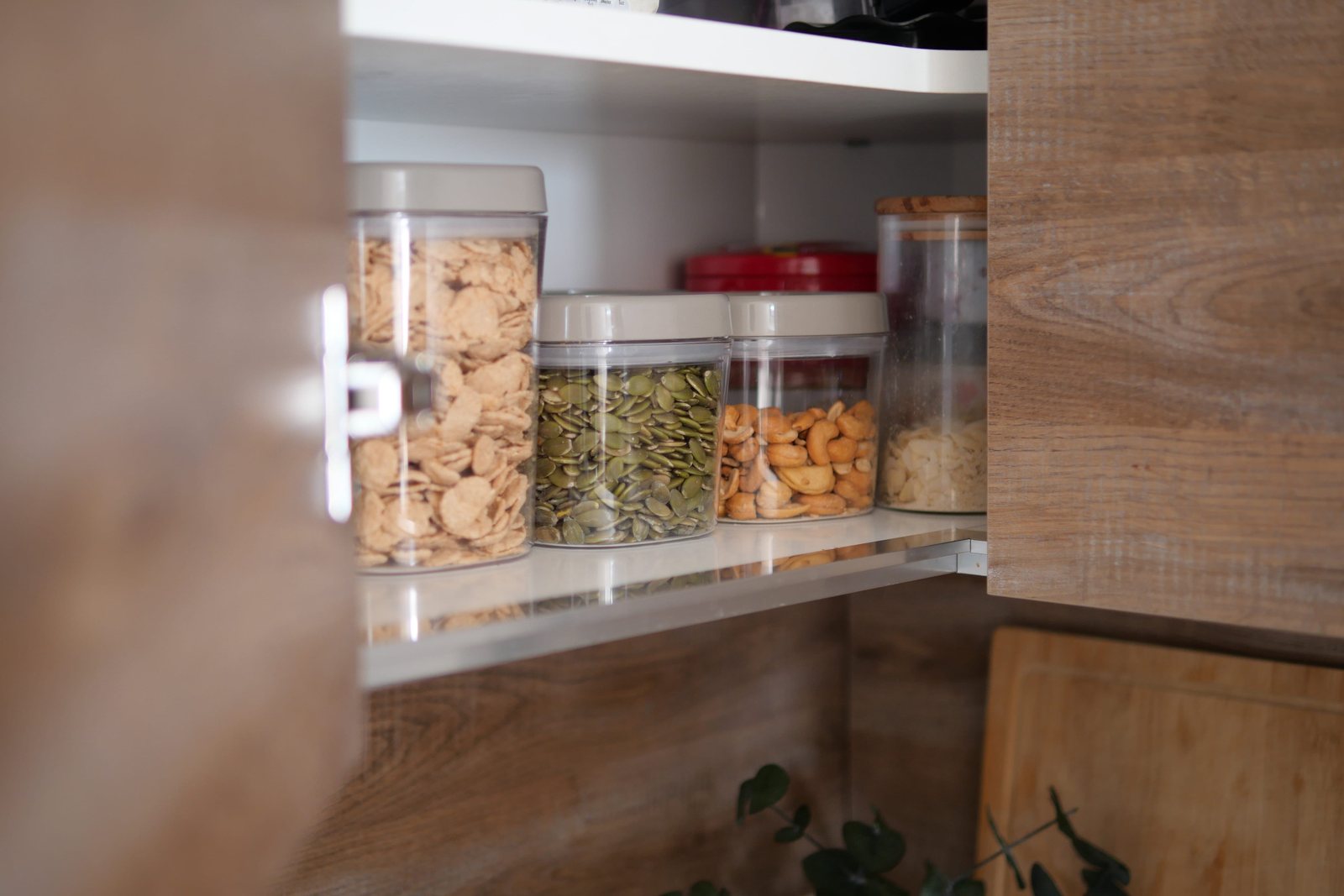
Paper goods soak up moisture, and a slow leak can turn a package of paper towels into a soggy mess before you notice. Keep a small roll on the counter and store backups in a dry closet. The same goes for cardboard boxes, which can soften and sag. Turning a spare pantry shelf into a dedicated paper station is one of those DIY projects that make life easier.
7. Spare Batteries and Small Electronics
Damp air and metal contacts don’t mix well. Batteries, flashlights and old phone chargers tucked under the sink can corrode over time. A drawer in a dry room keeps them ready for the next power outage, which is when you’ll want them most.
8. Cast Iron, Tools and Anything That Rusts
Grandma’s cast-iron skillet, a set of screwdrivers or metal baking pans can all pick up rust in a humid cabinet. Store cast iron in a dry cupboard or on the stovetop, and keep tools in a toolbox or garage bin.
9. Detergent Pods and Concentrates Without a Latch
Laundry and dishwasher pods are colorful and easy to grab. Product labels say to keep them out of reach of children, so if grandkids visit, a sink cabinet without a childproof latch isn’t the best spot. Move them to a high shelf or install an inexpensive cabinet lock.
So what does belong under the sink? Dish soap, a sponge caddy, a small fire extinguisher, a leak-catching tray and a few everyday cleaners kept in their original bottles. Add a couple of clear bins to keep things upright, check the pipes for drips now and then, and that awkward cabinet becomes one of the most useful spaces in the kitchen.