9 Wedding Etiquette Rules Boomers Grew Up With That Have Vanished
Weddings have changed enormously over the past few decades. The ceremonies boomers attended as young adults followed a set of unwritten rules that nearly everyone understood. Guests knew what to wear, what to bring and how to behave, and families followed traditions that had been passed down for generations.
Many of those rules have faded away, replaced by more relaxed customs and personal choices. Some changes reflect modern life, while others simply show how tastes have shifted. Here are some of the wedding etiquette rules boomers grew up with that younger couples rarely follow today.
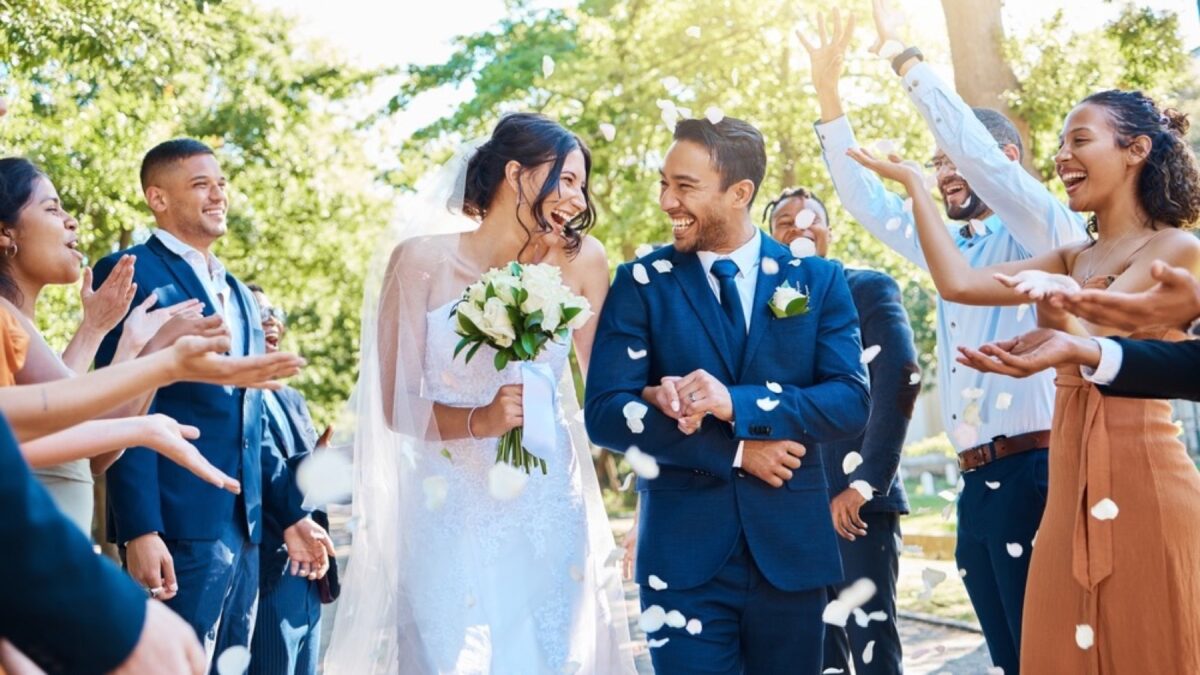
1. The Bride’s Family Paid for Everything
For generations, the bride’s parents were expected to pay for most of the wedding. This included the ceremony, reception, flowers, dress and food. The groom’s family usually covered the rehearsal dinner and sometimes the honeymoon.
Today, wedding costs are often shared between both families and the couple themselves. Many couples now pay for a large portion of their weddings, especially since they tend to marry later and have their own incomes. According to surveys by wedding industry groups, couples often contribute a significant share of the budget, and the old rule of the bride’s family covering everything has largely disappeared.
2. Handwritten Thank-You Notes Within a Few Weeks
Boomers were taught that thank-you notes for wedding gifts should be handwritten and sent promptly. Many etiquette guides suggested sending them within a few weeks of the wedding, or even within days for gifts received before the big day. A late or missing thank-you note was considered a serious lapse in manners.
While many couples still send thank-you notes, the rules have relaxed. Some send them months after the wedding, and others use printed cards or even digital messages. Older guests often notice the difference and may feel that a heartfelt handwritten note is becoming rare. For many boomers, a thoughtful thank-you note is still a sign of good upbringing.
3. No White for Guests
One of the oldest wedding rules is that guests should never wear white, since that color is reserved for the bride. Boomers grew up knowing this rule well, and breaking it was considered rude. Some also avoided wearing black, which was associated with mourning.
The rule against wearing white is still widely followed, but the ban on black has largely disappeared. Black is now considered elegant and appropriate for evening weddings. Some couples even request that guests wear black or other specific colors. Still, wearing white to someone else’s wedding remains a major faux pas for most people.
4. Formal Invitations Sent by Mail
Wedding invitations were once formal printed cards sent through the mail, often with inner envelopes, tissue paper and response cards. The wording followed strict traditions, usually naming the bride’s parents as the hosts. Invitations were mailed about six to eight weeks before the wedding.
Today, many couples still send printed invitations, but digital invitations and wedding websites have become common. Couples often ask guests to RSVP online rather than mailing back a card. The formal wording has also relaxed, with many invitations reflecting the couple’s personality rather than strict tradition.
5. The Receiving Line
At many boomer weddings, the bride, groom and their parents stood in a receiving line to greet every guest. This was a way to make sure the couple personally thanked each person for coming. Guests waited patiently to offer congratulations and shake hands.
Receiving lines have become much less common, especially at large weddings. Many couples now prefer to visit each table during the reception or skip the formal greeting entirely. Some guests appreciate the change, since receiving lines could take a long time. Others miss the chance to personally congratulate the couple and their families.
6. A Formal Engagement Announcement in the Newspaper
When boomers got engaged, it was common to announce the news in the local newspaper. These announcements often included a photo of the bride-to-be and details about the couple’s families, schools and jobs. The wedding itself was often announced in the paper as well.
Today, most engagements are shared on social media instead. Couples post photos of the proposal and the ring, often within minutes of saying yes. While some families still place announcements in newspapers, it is no longer the standard way to share the news. For many older relatives, though, a newspaper clipping remains a cherished keepsake.
7. Gifts Chosen From a Department Store Registry
Boomers often registered for wedding gifts at local department stores, choosing china, silverware, crystal and linens. Guests would visit the store or call to buy items from the list. These gifts were meant to help the couple set up their first home together.
Today’s couples often register online and may ask for experiences, honeymoon funds or cash instead of traditional household items. Many already live together and have the basic items they need. Some older guests find this shift surprising, while others appreciate being able to give something the couple truly wants.
8. Children Were Expected to Attend
At many boomer weddings, children were simply part of the celebration. Family weddings included nieces, nephews and cousins of all ages, and kids often danced alongside the adults at the reception. Leaving children out of a family wedding would have seemed unusual.
Today, adults-only weddings have become more common. Couples may limit the guest list for budget reasons or to create a more formal atmosphere. While many guests understand, some older relatives find it hard to accept a wedding without children. It is one of the bigger etiquette shifts of recent decades and a topic that still causes family debates.
9. Saving the Top Tier of the Cake
Many boomer couples followed the tradition of saving the top tier of their wedding cake to eat on their first anniversary. The cake was carefully wrapped and stored in the freezer for a full year. On the anniversary, the couple would thaw it and share it as a sweet reminder of their wedding day.
This tradition is less common now, partly because many couples choose different kinds of desserts, such as cupcakes or dessert bars. Others simply forget about the cake in the freezer. Some bakeries now offer to make a small fresh cake for the first anniversary instead, which many people agree tastes much better.
Traditions Change, but Meaning Remains
Many of the wedding rules boomers grew up with have faded, but the heart of the celebration remains the same. Weddings are still about love, family and community. Couples today may follow fewer formal rules, but they still want their guests to feel welcome and appreciated.
For boomers, looking at modern weddings can be both surprising and refreshing. Some changes may feel strange, while others seem like improvements. Either way, the stories and traditions from earlier generations continue to influence how couples celebrate today. Many families blend old customs with new ideas, creating weddings that honor the past while reflecting the present.