Foods That Could Be Sabotaging Your Immune System
Your immune system is not powered by miracle shots, trendy powders, or one magical superfood. It works best when your body gets steady support from good nutrition, movement, sleep, and low stress, which is why everyday eating habits matter more than most people realize. Harvard’s Nutrition Source notes that no single food can “boost” immunity on its own, and the strongest support comes from an overall balanced diet and healthy routine.
That is where trouble often sneaks in. Some foods do not weaken your immune system overnight, but eating them often can push the body toward inflammation, poor metabolic health, and a less helpful immune response over time. The CDC now says clearly that eating well for immunity means limiting highly processed foods and added sugars, which tells us a lot about where the real problem usually begins.
Sugary Drinks and Sugar-Loaded Snacks

Sugary drinks, candy, pastries, and other foods packed with added sugar can quietly work against your body’s defenses. The CDC says Americans consume too much added sugar, and federal guidance recommends keeping added sugars below 10 percent of daily calories. It also reports that 3 in 5 people age 2 and older go over that amount, with sugary drinks standing out as a major source.
The bigger issue is what excess sugar may do inside the body. A 2022 review in Frontiers in Immunology explains that high-glucose environments are closely linked to immune signaling and immune cell function, and that high levels of dietary sugars may contribute to impaired immune function, inflammation, and changes in gut microbes and the intestinal barrier. In plain terms, that means a pattern of heavy sugar intake may make it harder for the immune system to stay balanced and effective, especially when it is paired with weight gain, insulin problems, and chronic inflammation.
This does not mean fruit is the enemy, and it does not mean one dessert ruins your health. The smarter takeaway is that liquid sugar and heavily sweetened snacks are the real troublemakers because they are easy to overconsume and often replace foods that actually nourish immune function. Swapping soda for water or unsweetened tea, and trading packaged sweets for yogurt, fruit, nuts, or a more balanced snack, can lower your added sugar intake without turning food into a punishment.
Ultra-Processed Fast Food and Packaged Meals
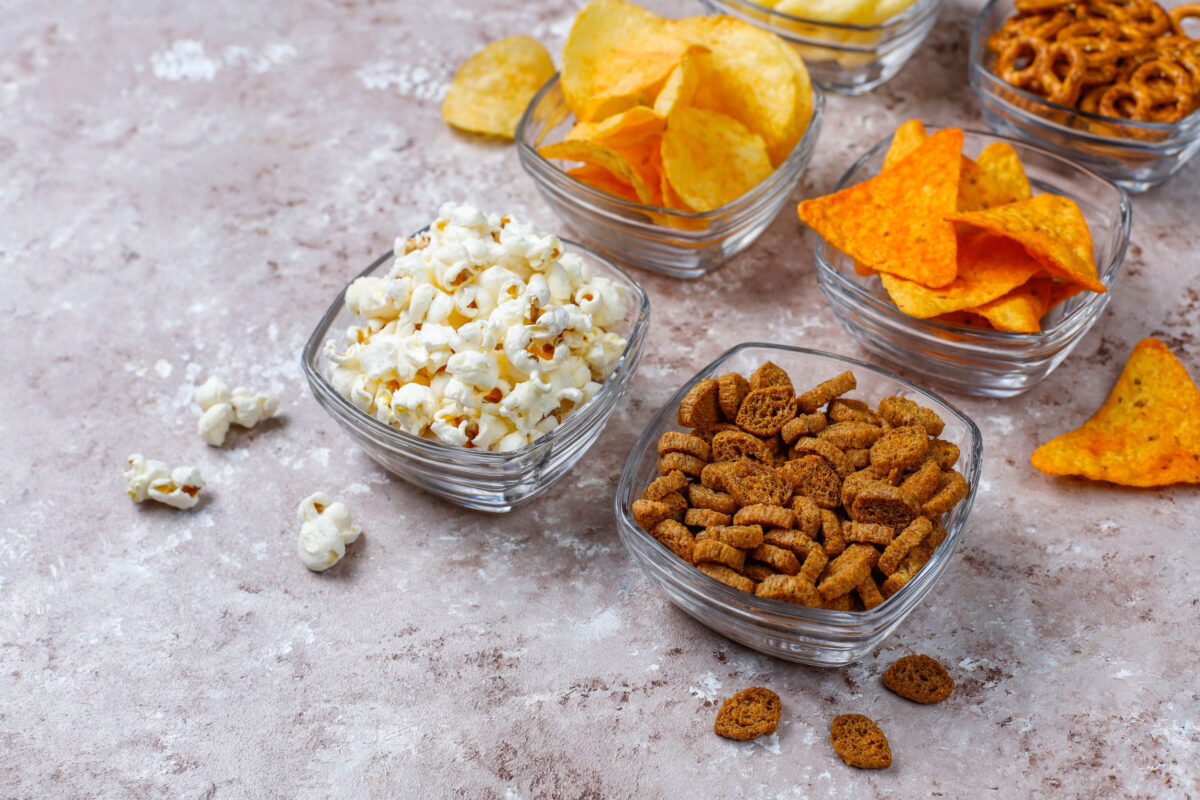
The second major saboteur is ultra processed food. This includes many packaged snacks, instant meals, frozen pizza, chips, sugary cereals, processed meats, and other ready-to-eat foods that are often high in sodium, added sugar, and unhealthy fats, while being low in fiber and key nutrients. The CDC says eating for stronger immunity means limiting highly processed foods, and Harvard has highlighted that ultra-processed diets are commonly nutrient-poor and linked to worse health outcomes.
What makes these foods especially concerning is that the damage is not only about calories. Harvard Health reported in 2025 that people who ate the most ultra-processed foods were more likely to have higher body mass index, waist circumference, blood pressure, insulin, triglycerides, and C-reactive protein, a marker of inflammation. Since inflammation is part of the immune response, maintaining a steady, low-grade inflammatory state is not particularly beneficial for long-term immune health.
Ultra-processed foods may also affect the gut, and that matters because the gut and immune system are deeply connected. Reviews on ultra-processed foods point to possible effects on gut microbes, gut barrier function, and inflammatory activity, which may help explain why these foods keep showing up in research on poor health outcomes. That does not mean every packaged item is toxic, but it does mean a diet built mostly around convenience foods can leave your body underfed, where immunity really counts.
A better pattern is simple and realistic. Build more meals around foods that still look like food, such as beans, eggs, vegetables, fruits, oats, fish, plain yogurt, nuts, potatoes, and whole grains. The goal is not perfection. The goal is to give your immune system fewer obstacles and more of the raw materials it actually needs to do its job well.
If your immune system feels like something mysterious and out of your control, this is the good news. You do not need a dramatic cleanse or a cabinet full of supplements to support it. In many cases, the strongest move is simply cutting back on the foods that keep pushing your body toward excess sugar, inflammation, and poor diet quality.
So if you want to protect your health, start by watching these two common offenders more closely. Sugar-heavy drinks and snacks can overload the body, and ultra processed foods can crowd out the nutrients your immune system depends on. Eat more whole foods, keep the processed stuff in check, and let consistency do the quiet work of helping your body defend itself better over time.
If you want, I can also turn this into a longer NewsBreak-style article with a stronger hook and more emotional flow.