10 Air Fryer Mistakes That Could Be Ruining Your Dinner
The air fryer promised crispy fries, golden chicken, and quick weeknight dinners without the drama of a deep fryer. Yet somehow, your potatoes come out limp, your chicken tastes dry, and your vegetables look like they survived a tiny kitchen tornado. The problem may not be your recipe. It may be the small air fryer mistakes that quietly sabotage dinner before the first bite.
Air fryers work by rushing hot air around food, which means space, timing, moisture, and temperature all matter more than people think. Treat it like a magic box, and it will disappoint you. Treat it like a fast little convection oven, and suddenly your dinners start tasting crisp, juicy, and planned on purpose.
Overcrowding the Basket
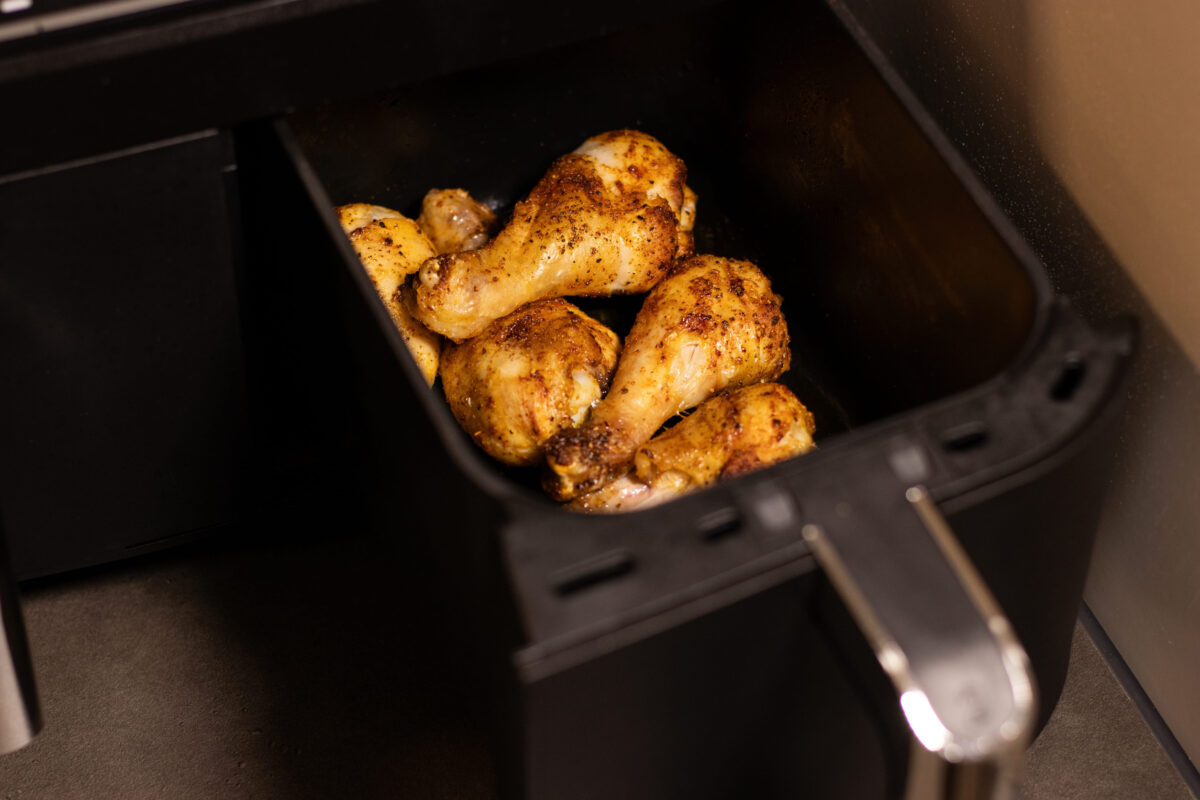
This is the mistake that ruins more air fryer dinners than almost anything else. When you pile fries, wings, vegetables, or nuggets into the basket like you are packing a suitcase, the hot air cannot move properly. Instead of crisping, the food steams, softens, and cooks unevenly.
The air fryer needs breathing room to do its job. A single layer works best, especially for foods that should turn golden and crunchy. If you are cooking for several people, cook in batches rather than trying to cook everything at once. It may take a little longer, but the result is far better than a basket full of half-crisp, half-soggy food.
Forgetting To Preheat
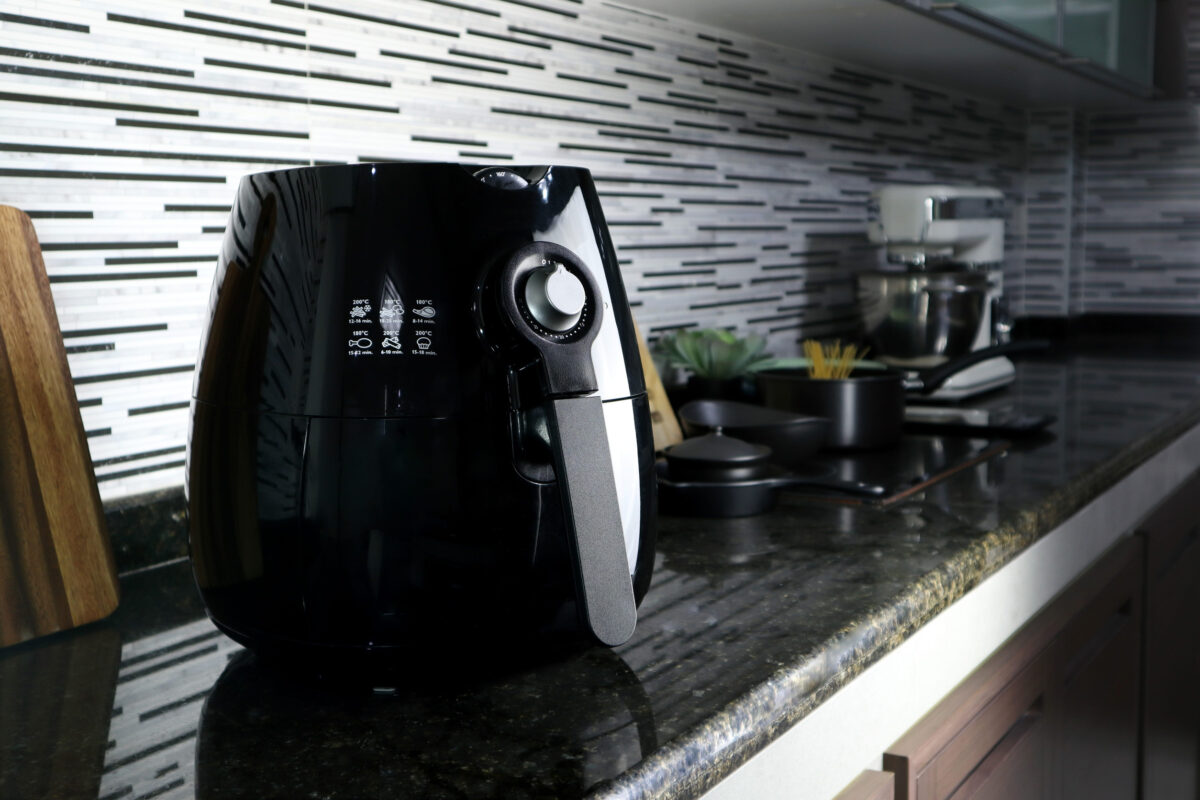
Some people skip preheating because the air fryer heats quickly, but that shortcut can cost you texture. Food placed into a cold basket starts cooking slowly before the air reaches the right temperature. That can leave chicken pale, fries soft, and breaded foods looking dull instead of golden.
Preheating for a few minutes gives your food a strong start. It helps the outside cook fast enough to crisp before the inside dries out. This is especially useful for frozen snacks, breaded chicken, roasted vegetables, and anything you want to come out with a little crunch. A hot basket can make the difference between dinner that feels fresh and dinner that tastes reheated.
Using Too Much Oil

The air fryer does not need a puddle of oil to work. Adding too much oil can make food greasy, smoky, and heavy. Instead of crisping, excess oil can drip to the bottom of the basket, burn, and leave a bitter smell lingering in your kitchen.
A light coating is usually enough. For vegetables, a small drizzle or a quick spray can help seasoning stick and encourage browning. For frozen foods, you may not need oil at all because many already contain enough. The goal is not to recreate deep frying. The goal is to help the hot air brown the surface without drowning the food.
Using No Oil At All When Food Needs It
On the other side, some people treat the air fryer as if it should crisp everything with no help at all. That can work for foods that already contain fat, such as chicken thighs, sausages, frozen fries, or breaded snacks. But lean foods and dry vegetables often need a little oil to avoid turning tough, dusty, or leathery.
A tiny amount of oil helps food brown more evenly. It also helps spices cling to the basket instead of blowing around. If your roasted carrots taste dry or your homemade potato wedges look pale, a light coat of oil may be the missing step. The air fryer is efficient, but it still needs a little partnership from you.
Not Shaking Or Flipping The Food
Air fryers circulate hot air, but that does not mean every side of the food cooks equally without movement. Fries, vegetables, shrimp, wings, and small snacks can settle into the basket and brown more on one side than the other. If you leave them untouched, you may end up with a mix of crisp edges and soft spots.
Shaking the basket halfway through cooking helps everything get exposed to the heat. Larger foods like chicken breasts, salmon fillets, burgers, and pork chops usually need to be flipped. This small step improves color, texture, and doneness. It also helps you check progress before food goes from beautifully browned to aggressively dry.
Cooking Everything At The Same Temperature
The air fryer is fast, but it is not one-size-fits-all. Cooking every food at the same temperature is a quick way to burn delicate items and undercook dense ones. Thin fish fillets, frozen fries, chicken thighs, and fresh vegetables all behave differently under high heat.
A lower temperature works better for foods that need time to cook through without burning outside. A higher temperature is better for quick crisping or finishing. If your chicken is browned on the outside but still undercooked on the inside, the heat may be too high. If your fries are soft and pale, the heat may be too low. Adjusting the temperature is not fussy cooking. It is how you get control.
Ignoring Food Size
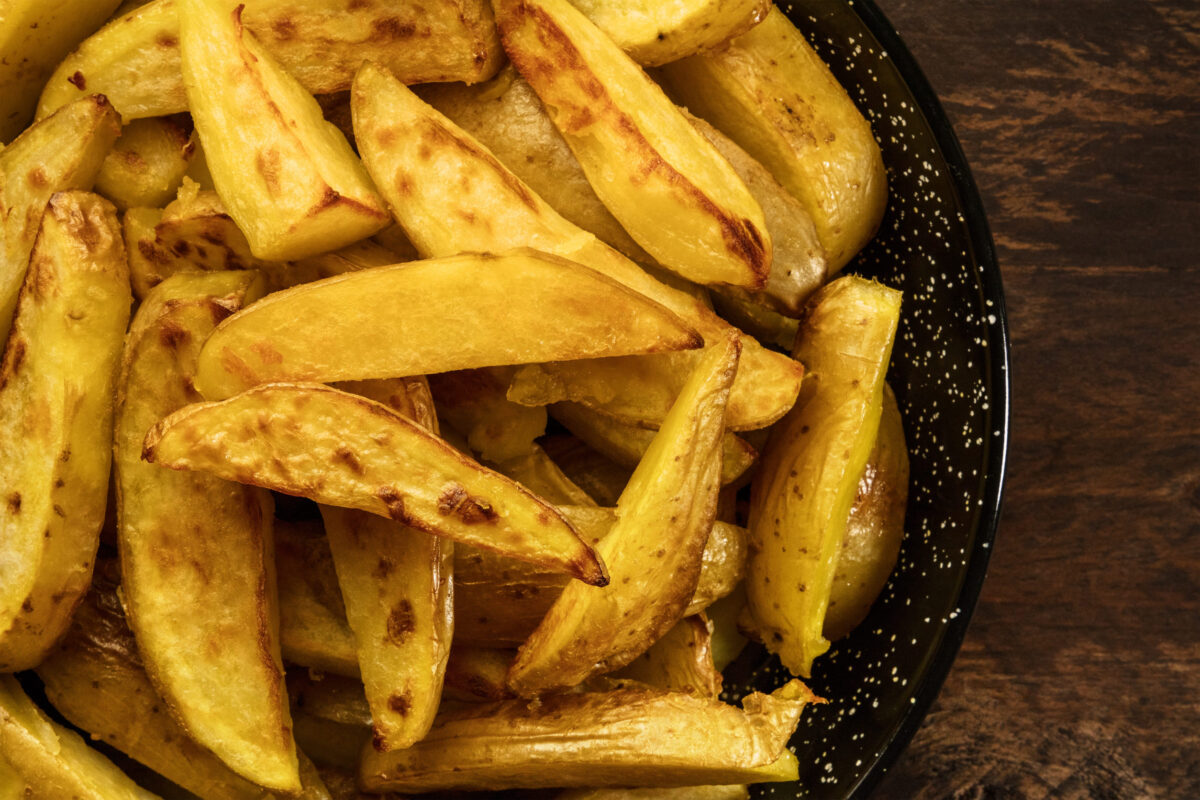
Cut size matters more in an air fryer than many people realize. If your potato wedges are uneven, the thin pieces may burn before the thick pieces soften. If your chicken pieces are different sizes, some may dry out while others still need more time. The air fryer moves quickly, so uneven food becomes uneven dinner.
Try to cut vegetables, potatoes, and meat into similar sizes before cooking. This gives every piece a fair chance to finish at the same time. With chicken breasts or thick pork chops, pounding them to an even thickness can help prevent dry edges and undercooked centers. Good air-fryer results often start on the cutting board.
Forgetting To Dry The Food
Moisture is the enemy of crispiness. If you rinse vegetables and toss them straight into the basket, they may steam before they roast. If chicken wings are wet, the skin may turn rubbery instead of crisp. If tofu is not pressed or dried, it can come out soft and bland.
Pat food dry before seasoning, especially proteins, potatoes, and high-moisture vegetables. This does not take long, but it changes the final texture. Dry surfaces brown faster because the heat can work directly on the food instead of wasting time evaporating water. Crisp food starts with less moisture, not more cooking time.
Using The Wrong Coating
Not every coating is suitable for an air fryer. Wet batters can drip through the basket, make a mess, and cook into strange clumps instead of forming a crisp shell. That is why battered fish, tempura-style foods, and very loose coatings often disappoint unless they are already frozen and prepared for air frying.
Dry coatings work better. Breadcrumbs, crushed crackers, seasoned flour with egg wash, cornmeal, and panko can all create a crisp finish when used correctly. A light oil spray can help the coating brown rather than remain powdery. If your homemade breaded foods keep coming out patchy, the coating may need better pressing, a little moisture to stick, or a light spray before cooking.
Never Cleaning The Basket Properly
A dirty air fryer can ruin dinner before you even press start. Old crumbs, grease, and burnt seasoning can smoke, smell bad, and stick to fresh food. That leftover flavor may sneak into your fries, vegetables, chicken, or fish, making everything taste slightly burnt even when the recipe is fine.
Clean the basket and tray after each use, especially after cooking greasy foods. Let the air fryer cool first, then wash removable parts according to the manufacturer’s instructions. Wipe the inside if grease has splattered. A clean air fryer cooks better, smells better, and keeps yesterday’s dinner from haunting tonight’s meal.
Conclusion
The air fryer is one of the most useful tools in a modern kitchen, but it requires attention. Most disappointing meals come from small habits: crowding the basket, skipping the preheat, using too much or too little oil, ignoring moisture, or forgetting to shake the food. These mistakes are easy to make because the air fryer looks simple, but simple does not mean careless.
Once you give the hot air space to move, season food properly, match the temperature to the meal, and clean the basket regularly, the results change fast. Fries get crisp, chicken stays juicy, vegetables roast rather than wilt, and frozen snacks taste far better than they have any right to. Your air fryer is not ruining dinner. It may just be waiting for you to stop making these quiet little mistakes.