10 Roast Dinner Mistakes That Could Ruin Your Meal and How to Avoid Them
A roast dinner can easily be the highlight of a week, but one mistake can turn it from comforting to disastrous. Whether you’re a seasoned pro or just starting out, there are common mistakes that can lead to overcooked meats, bland flavors, or soggy potatoes. Here, we’ll break down 10 major roast dinner mistakes you must avoid to make your next meal truly unforgettable.
Not Drying the Skin Before Roasting Chicken
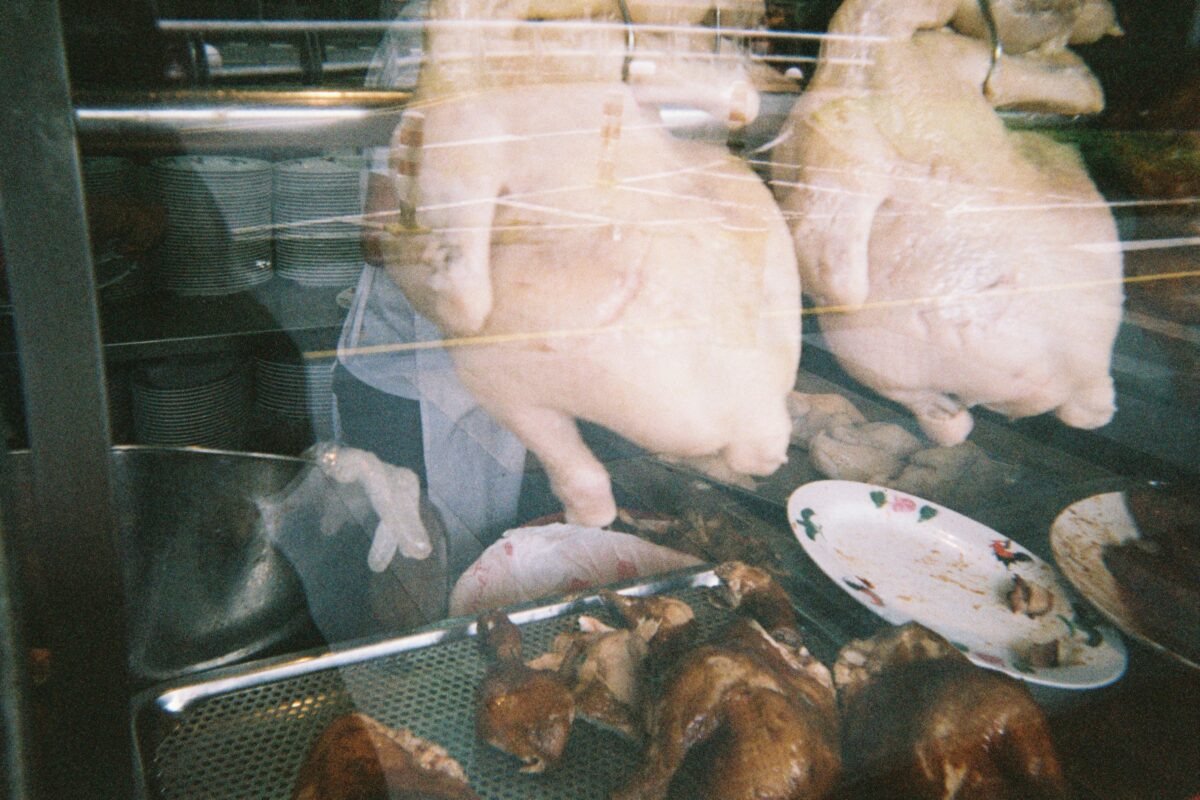
You’ve seasoned your chicken to perfection, but without drying the skin, you’ll end up with a soggy, flabby mess instead of the crisp golden skin everyone loves. Moisture prevents the skin from getting crispy, making it less appetizing. To fix this, always pat your chicken dry with paper towels before roasting to ensure a beautifully crispy exterior.
Overcooking Your Meat and Losing Flavor
Overcooking is one of the most common mistakes in roast dinners. Too much time in the oven can result in tough, dry meat that no one wants to eat. Always keep an eye on the internal temperature, and rest the meat after roasting to allow the juices to redistribute, keeping it moist and flavorful.
Using Too Many Vegetables in One Dish
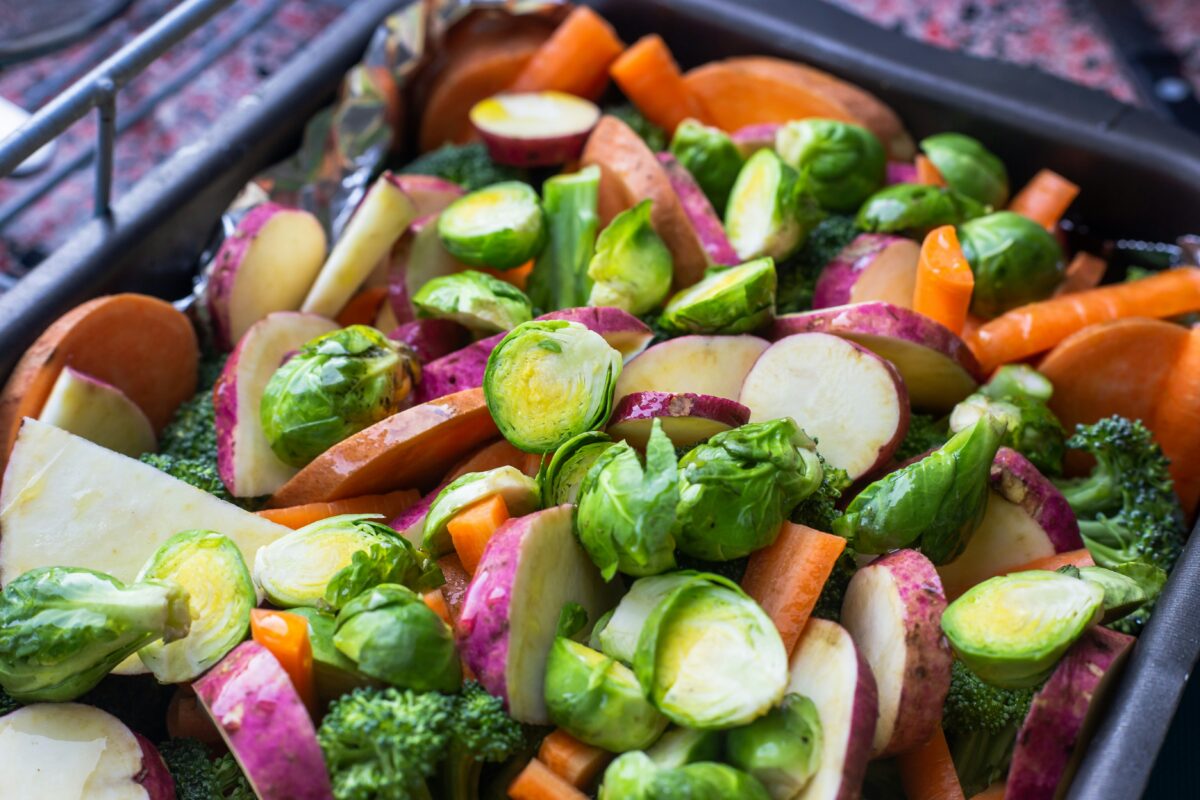
While roasted vegetables are a great side dish, overcrowding the pan can result in steamed rather than roasted vegetables. This leads to soggy potatoes, mushy carrots, and unevenly cooked ingredients. To avoid this, roast vegetables in batches or ensure they have enough space to caramelize and crisp up in the oven.
Ignoring the Importance of Seasoning
A roast can easily taste bland if not seasoned properly. Simply adding salt and pepper might not be enough to bring out the full flavors of your meat and vegetables. Don’t skip the herbs, garlic, and spices, and remember to season at different stages of cooking to enhance the flavors.
Skipping the Resting Period for Meat
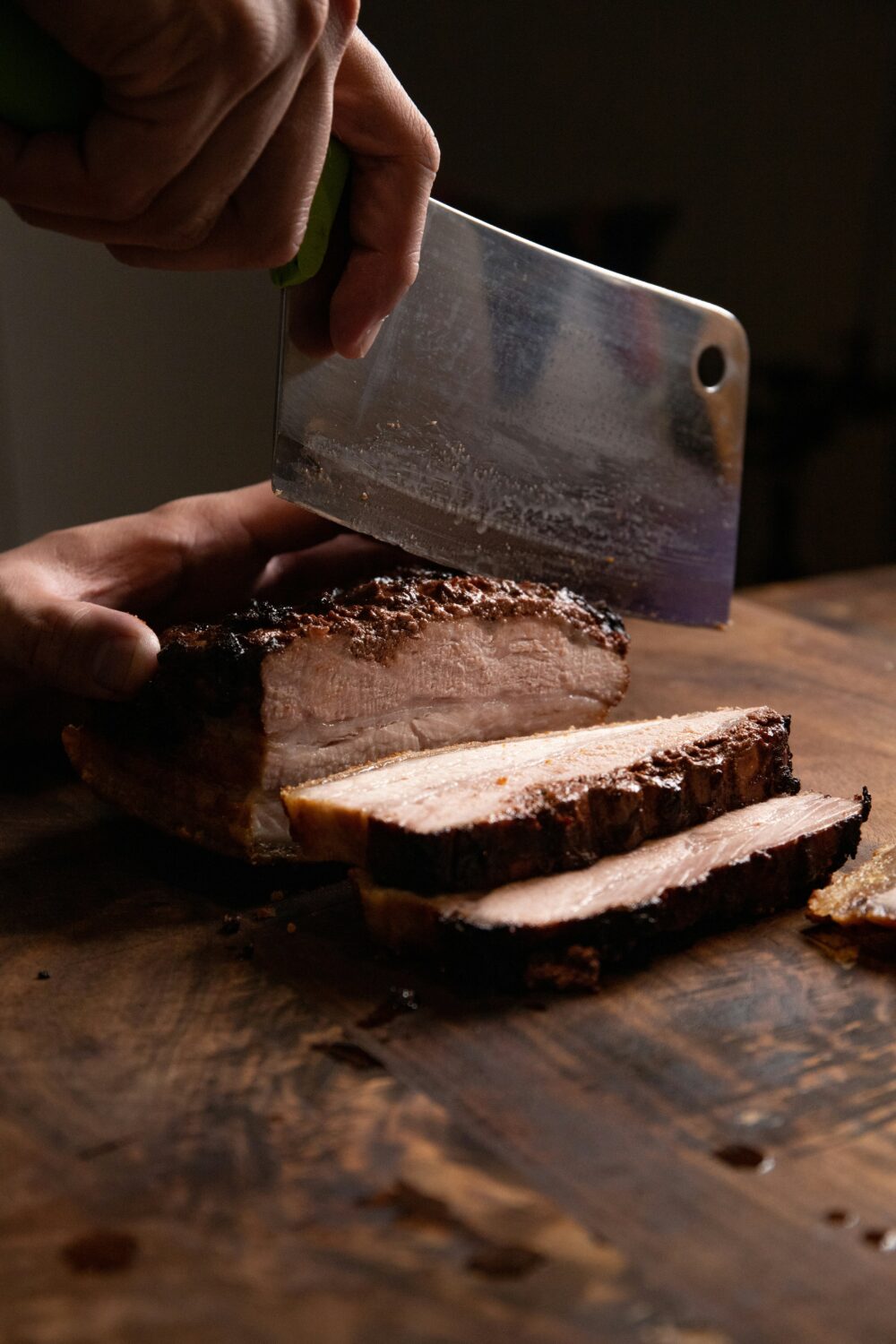
After roasting, it’s tempting to dig right in, but skipping the resting period can ruin the meat’s texture. Cutting into the roast too soon causes the juices to escape, leaving you with dry, flavorless slices. Let your roast rest for at least 10 minutes to allow the juices to redistribute, resulting in a much juicier roast.
Relying Only on One Type of Roast Meat
If you always default to chicken or beef, you’re missing out on a variety of flavors that different meats offer. Sticking to just one type of meat limits your options and can become repetitive. Mix things up by trying lamb, turkey, or even a roasted duck to add variety and surprise to your meals.
Overlooking Gravy Preparation
A good roast is incomplete without a rich, flavorful gravy, yet many people neglect to make it properly. Pouring store-bought gravy over your roast just doesn’t cut it. Save the drippings from your roast, and use them to create a homemade gravy that adds depth and richness to every bite.
Forgetting to Use High-Quality Cooking Oil
Using the wrong type of oil or fat can result in uneven cooking or burnt bits in your roast. Olive oil or butter is ideal for most roasts, but using a low-quality or cheap oil can negatively affect the flavor. Always choose high-quality oil that can withstand high heat for a crispier, more flavorful result.
Not Properly Preheating the Oven
Starting a roast in a cold oven can lead to uneven cooking and longer roasting times. Preheating your oven ensures your roast begins cooking at the correct temperature right away, helping seal in the juices and giving you that perfect roast texture. Avoid this simple mistake by always preheating the oven to the specified temperature before putting the meat inside.
Underestimating the Power of a Meat Thermometer
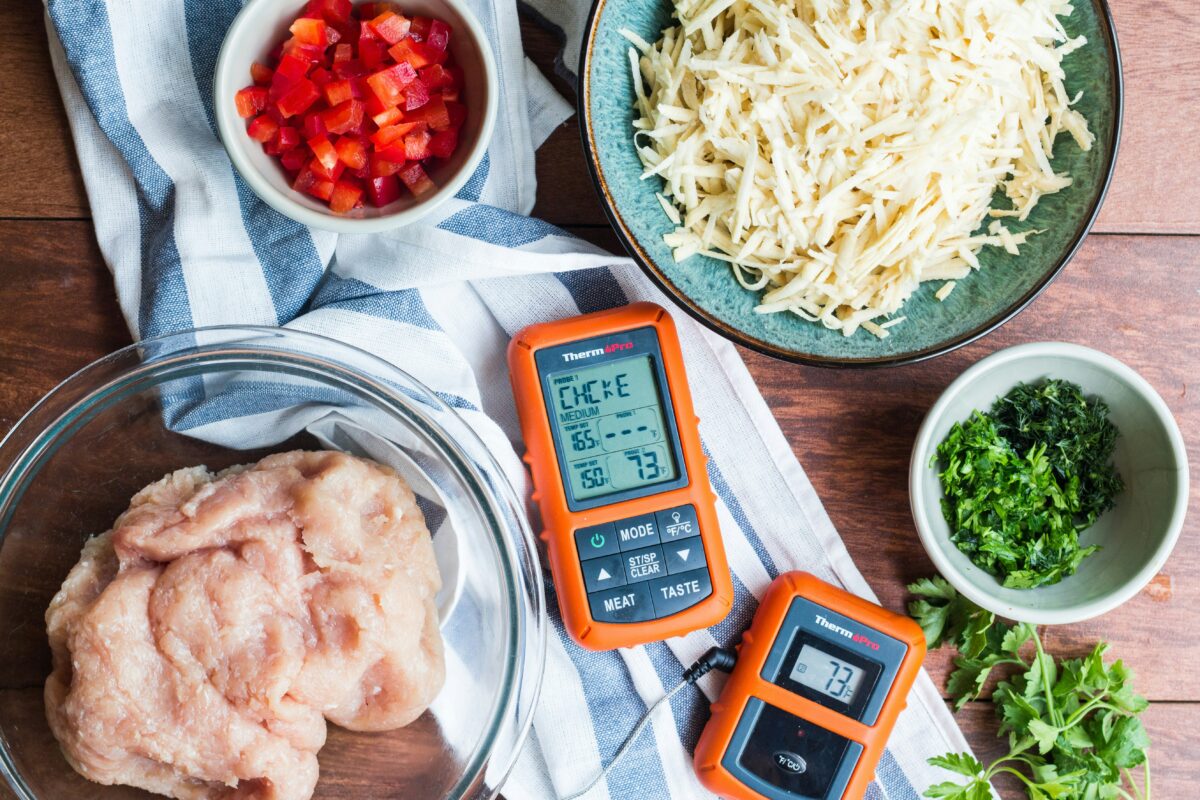
A meat thermometer is a small investment that can save your roast dinner from disaster. Without it, you might rely on guesswork, which leads to overcooking or undercooking your meat. For perfectly cooked roasts every time, use a thermometer to ensure your meat reaches the desired temperature and avoid serving a rare roast when you meant to go medium.
Forgetting to Baste Your Roast
Basting your roast with its own juices during cooking is essential for achieving a moist and flavorful roast. Neglecting this step can lead to dry, lackluster meat. Baste every 30-40 minutes to keep the meat juicy and the skin perfectly caramelized.
Not Pairing Your Roast with the Right Sides
No roast dinner is complete without the right side dishes. Failing to balance your main dish with complementary sides can throw off the entire meal. Choose sides that enhance the flavors of your roast, creamy mashed potatoes with roast beef, or a bright, tangy salad to pair with rich roast pork. The right sides elevate the whole dinner.
Conclusion
By avoiding these common mistakes, you can elevate your roast dinner from ordinary to extraordinary. Whether it’s drying your chicken, using a meat thermometer, or perfecting your gravy, these simple adjustments will ensure your next roast is the meal everyone talks about. Now that you know what to avoid, go ahead and master the art of the perfect roast dinner, making every bite as memorable as the occasion.