8 Hidden Truths About How Fast Food Is Draining Your Wallet
In today’s fast-paced world, fast food is often seen as a convenient, cost-effective option for those too busy to cook.
However, this seemingly inexpensive choice can actually drain your wallet over time. While a quick meal at a fast-food chain might feel like a small expense, when you look at the bigger picture, the costs add up in ways you might not realize. In this article, we’ll uncover eight hidden truths about how fast food is silently draining your finances.
The Illusion of Low Prices
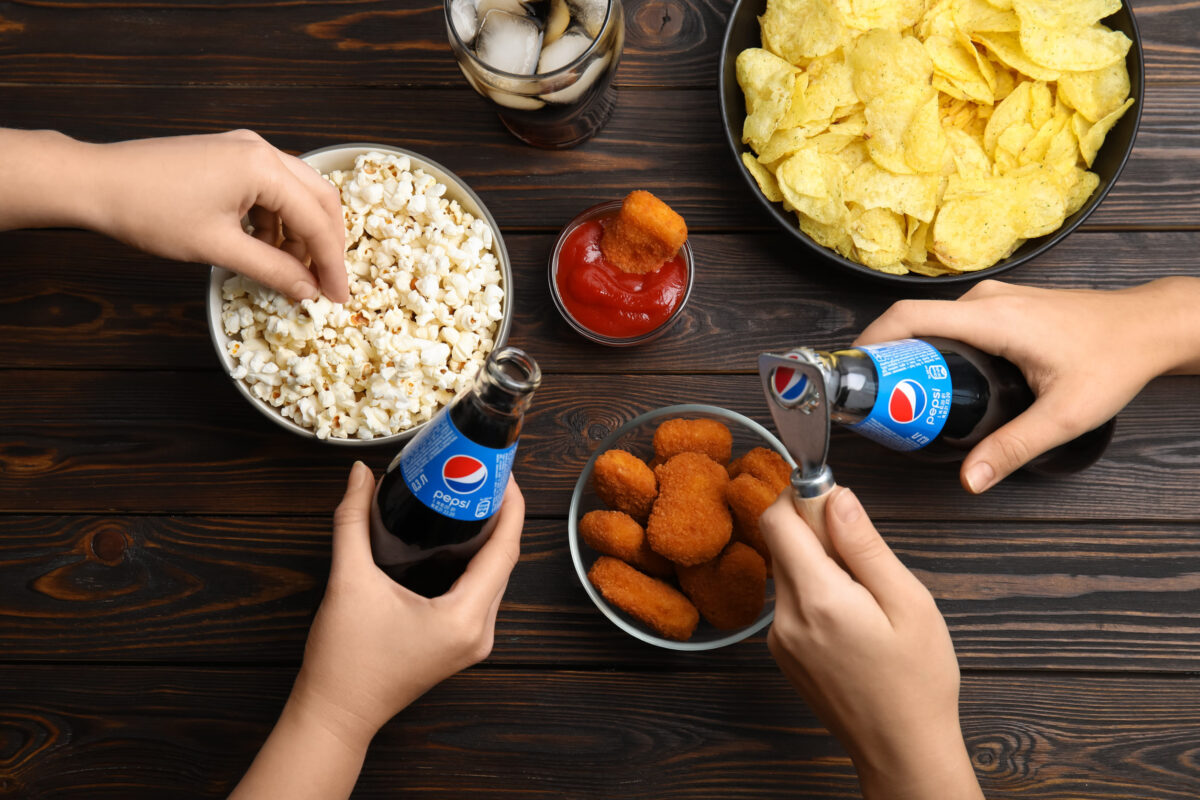
It’s easy to assume that fast food is a cheap option. After all, a burger or fries may seem inexpensive when compared to a homemade meal. But here’s the catch: many fast food chains lure you in with seemingly low prices but fail to mention that these costs are part of a broader marketing strategy designed to upsell you.
Once you add drinks, snacks, or desserts to your meal, the total cost increases quickly. While it may still feel cheaper than dining at a sit-down restaurant, the overall expenditure over time can be substantial.
The Frequent Temptation to Upgrade
Upgrading your meal size or adding extra toppings is another way fast food restaurants cleverly push you to spend more. A large soda or extra fries might seem like a good deal for just a few extra dollars, but those small upgrades often end up costing much more than anticipated.
These upgrades are not just about increasing portion sizes; they are strategically designed to encourage you to buy more than you actually need. This means that what starts as a simple meal turns into a much pricier experience without you realizing it.
The Hidden Costs of Convenience
The convenience of fast food is undeniably attractive; it’s quick, easy, and accessible. But this convenience comes with a cost.
When you factor in the time it takes to drive to the fast food joint, wait in line, and make your purchase, the real cost of convenience becomes clearer. This is money spent not just on the food but on the time you could have used to prepare a meal at home. And let’s not forget that the time you save by choosing fast food could have been spent cooking a much cheaper and healthier meal in your kitchen.
Nutritional Value or Lack Thereof

While fast food may seem like a quick solution, it’s often lacking in nutritional value. You may think you’re getting a good deal, but the poor nutritional content of fast food can lead to long-term health issues that drain your finances in ways you might not immediately realize.
Poor health can lead to more doctor visits, higher medical bills, and even long-term chronic illnesses. These costs, which are often not apparent upfront, can add up significantly and far exceed the initial savings you thought you were getting from your fast food purchases.
The Addiction Factor

Fast food is engineered to be addictive. The combination of fat, sugar, and salt makes it hard for many people to resist, and the more often you indulge, the more likely you are to crave it. This addiction doesn’t only affect your waistline but also your wallet.
You might find yourself returning to fast food chains several times a week, each visit costing more than the last. Over time, this constant craving for fast food can lead to a surprising amount of money spent, without you even noticing how it’s piling up.
The Cost of Eating Out More Often
One of the primary reasons people opt for fast food is the sheer convenience, but this also leads to eating out more frequently. Fast food is rarely a one-time expense; it becomes part of your routine. Whether it’s breakfast, lunch, or dinner, the allure of not having to cook is strong, and as a result, people end up spending money they didn’t plan for.
When you calculate the cost of eating out several times a week, it’s easy to see how much you could be saving if you simply cooked at home. Even though each meal may seem affordable, they quickly add up.
The False Economy of Value Meals
Fast food chains love to advertise value meals or combos as cost-effective options. While these meals may seem like a great deal compared to buying individual items, the reality is that they often offer too much food for one person, leading to waste.
Not only are you over-consuming calories, but you’re also overpaying for food that you end up not finishing. Instead of purchasing a value meal, consider how much you could save by buying just what you need, avoiding unnecessary extras, and reducing food waste.
Environmental Costs and Long-Term Financial Impact

While the environmental impact of fast food is often overlooked, it’s important to recognize that its environmental toll is also contributing to long-term costs. The packaging waste associated with fast food, especially single-use plastics, is staggering.
As a consumer, you indirectly pay for this waste through higher prices driven by environmental regulations, taxes, and rising production costs. Additionally, environmental degradation caused by factory farming and unsustainable sourcing practices only adds to the overall costs, which are ultimately passed down to you, the consumer.
conclusion
When you look at the small, seemingly insignificant cost of a fast food meal, it’s easy to assume that it’s an affordable option. However, the hidden costs, whether from upselling, added convenience, or long-term health and environmental impacts, can quickly accumulate. Fast food may offer immediate satisfaction, but it’s ultimately a false economy that keeps draining your wallet in ways you might not even notice until it’s too late. By opting to cook at home, meal-prep, and make smarter choices about where and when to eat out, you can start saving money and investing in healthier, more sustainable alternatives.
In the end, it’s about making conscious choices. Fast food might be easy, but when you understand the full financial and environmental cost, it becomes clear that your wallet and well-being are better off without it. Take control of your spending by rethinking your eating habits; your future self will thank you.