10 Cheap-Looking Foods That Are Secretly Expensive Now
Food prices can be tricky. What might seem like a budget-friendly meal could end up costing you a lot more than expected due to inflation, supply chain disruptions, or even changing consumer habits.
The irony of it all is that some foods that have traditionally been associated with low cost are now quietly creeping up in price. These seemingly cheap foods are becoming luxury items in disguise, and if you’re not paying attention, they could burn a hole in your wallet. Let’s take a closer look at the ten cheap-looking foods that are secretly expensive now.
Avocados
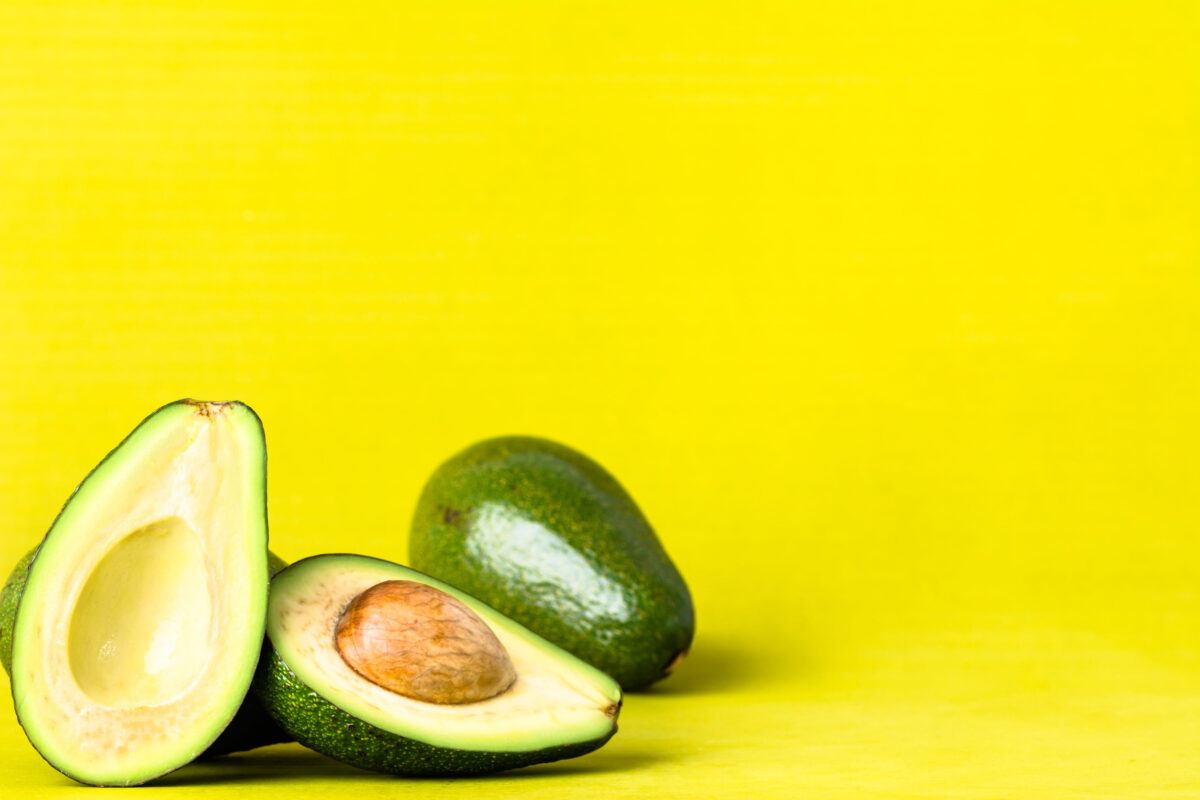
Once a staple of cheap, healthy meals, avocados have transformed into a luxury item, especially in regions where they are not grown. While prices have fluctuated over the years, demand has skyrocketed, turning avocados into an expensive fruit. Why the sudden spike? Weather conditions, particularly droughts in California and Mexico, have affected supply, while increased global demand from health-conscious consumers has only driven prices higher. If you’re not careful, what used to be a dollar avocado could easily cost you five times as much.
The appeal of avocados, often used in everything from salads to smoothies, is undeniable. But with prices consistently higher than before, this formerly affordable superfood now feels like a splurge rather than a regular grocery item. Even in their most basic form,just a slice on toast,they’ve been elevated to a pricey indulgence.
Eggs
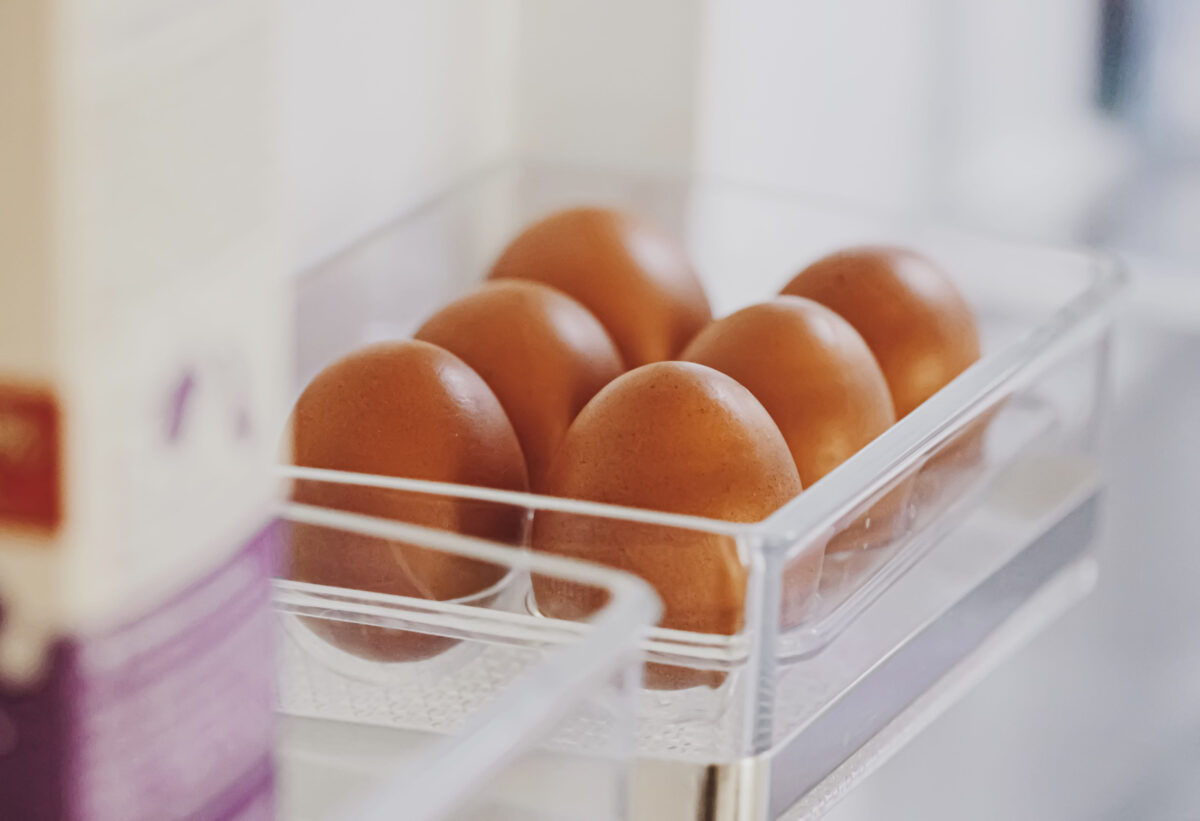
Eggs have always been the go-to cheap breakfast option, but lately, they’ve been bucking the trend. The rise in feed prices, avian flu outbreaks, and labor shortages in poultry farms have all contributed to the sharp rise in egg prices. A dozen eggs, once a reliable budget item, has become a significant expense for many households. Despite appearing to be a humble breakfast choice, eggs are increasingly being skipped or bought less often, despite their previous reputation as inexpensive.
The fact that eggs are a critical ingredient in numerous recipes,from scrambled eggs to cakes and everything in between, has only made this price jump more painful. What used to be a quick, affordable meal now has consumers questioning their weekly grocery budget.
Rice
Rice, a staple in kitchens around the world, is often considered one of the most budget-friendly pantry items. But over the last few years, rice prices, particularly for specialty varieties such as basmati or jasmine, have increased dramatically. What’s causing the rise? Factors such as climate change, flooding in major rice-producing countries, and trade restrictions have affected supply chains, driving up prices.
Additionally, the growing demand for organic rice has stoked the fire. What once cost a few dollars for a large bag now costs a premium. Rice might seem like an easy, cheap meal option, but it’s becoming a food that requires a more careful eye when shopping.
Bread

Bread is one of the most common, budget-friendly foods, but lately it’s become increasingly expensive. Wheat shortages caused by weather-related issues, along with rising energy prices that have increased production costs, have driven bread prices higher. The classic loaf you once bought for a dollar or two can now cost more than you might expect. And if you prefer artisanal or organic loaves, expect a much higher price tag.
Even the humble sandwich, once a cheap lunch option, is now creeping into the realm of “luxury lunch,” especially as the prices of other ingredients rise. The price of bread is no longer something you take for granted when grocery shopping; it now requires a bit more budget-conscious planning.
Pasta

Pasta, the go-to meal for anyone trying to stretch their food budget, has been hit hard by rising wheat prices. The combination of global supply chain challenges, droughts in major wheat-producing regions, and rising transportation costs has driven up pasta prices. While pasta might still appear to be affordable on the shelf, the price per box has steadily crept up in recent years.
The fact that many consumers rely on pasta for quick, simple meals means its price increase can feel like a punch to the stomach when you’re trying to feed a family on a budget. Once a true bargain food, pasta has become a little more expensive than it used to be.
Canned Goods
Canned foods have always been a go-to for budget-conscious shoppers, especially those looking for shelf-stable options. However, in recent years, the prices of canned goods, such as beans, tomatoes, and soups, have quietly risen. The increased costs of packaging materials, transportation, and raw materials have affected the canned food market.
What used to be the cheapest, longest-lasting pantry staple has now shifted into the mid-tier price range. Consumers have been forced to balance the convenience of canned goods with the higher costs of stocking up on them.
Frozen Vegetables
Frozen vegetables have long been known as a convenient, affordable way to get more veggies into your diet. However, with rising fuel costs, labor shortages in the agricultural industry, and higher packaging material prices, frozen vegetables are no longer as cheap as they used to be. This shift has caught many shoppers by surprise, as the once-affordable bag of peas or mixed veggies now costs more.
While they may still be cheaper than their fresh counterparts in some instances, the gap is narrowing. The same goes for frozen fruit, which is becoming harder to justify as a cheaper alternative to fresh produce.
Potatoes
Potatoes are a classic example of a food that, while still relatively affordable, has seen a dramatic price increase over the last few years. The reasons for this include unpredictable weather patterns, labor shortages, and transportation costs. Though potatoes have long been considered a cheap food item,whether baked, mashed, or fried ,they are now a little pricier than many would expect.
This increase in price may seem small on the surface, but when you’re feeding a large family or looking to make your grocery budget stretch, it adds up. What used to be a cheap comfort food is now a little harder to justify on cost grounds.
Cheese
Cheese, once a staple for quick meals and snacks, has steadily increased in price, especially for specialty varieties such as brie, gouda, or sharp cheddar. Factors like rising feed prices for dairy cows, labor shortages in the dairy industry, and higher transportation costs for importing cheese from other countries have contributed to the price rise.
While some types of cheese might still be affordable, premium cheeses that were once budget-friendly are now becoming luxury items. Cheese is no longer just an everyday snack; it’s a premium addition to your grocery bill.
Chicken
Chicken, often considered an affordable protein source, has seen prices rise in recent years. The increased cost of poultry feed, labor shortages in the meatpacking industry, and disruptions in the global supply chain have all led to higher chicken prices. What used to be an affordable way to get a protein-packed meal on the table is now a more expensive proposition.
Chicken breast, once the go-to for budget-conscious shoppers, has seen significant price increases. Although there are still cheaper cuts like thighs and wings, the price of chicken has still jumped considerably.
Conclusion
In today’s economy, many of the foods that once seemed like cheap and cheerful staples are now costing more than we ever imagined.
The impact of inflation, supply chain issues, and shifting consumer demand is quietly transforming what we used to think of as affordable meals into expensive luxuries. As consumers, we must be more strategic and aware of the changes taking place in our grocery stores. While these foods may still seem cheap compared to other luxury items, they are no longer the budget-friendly choices they once were. Keep an eye on your food budget; what seemed like a cheap meal yesterday could cost you more tomorrow.