10 Republican Run Cities Where the Promise of Order Is Falling Apart
Republican-run cities often campaign as if they have the mop, the calculator, and the rulebook ready. The promise sounds simple enough: cleaner streets, safer neighborhoods, lower taxes, friendlier business rules, and fewer excuses from city hall.
But the sidewalk does not clap for slogans. Across the United States, some Republican led or conservative-aligned cities are still battling poverty, homelessness, dirty air, housing pressure, weak transit, flooding risk, and public frustration.
That does not mean one mayor caused every problem. Many city elections are officially nonpartisan, and mayors share power with councils, counties, state governments, and old economic realities.
Still, at the start of 2026, Ballotpedia reported that Republicans held 22 mayoral offices among America’s 100 largest cities, so it is fair to ask whether the “order and competence” promise is actually holding up.
Dallas
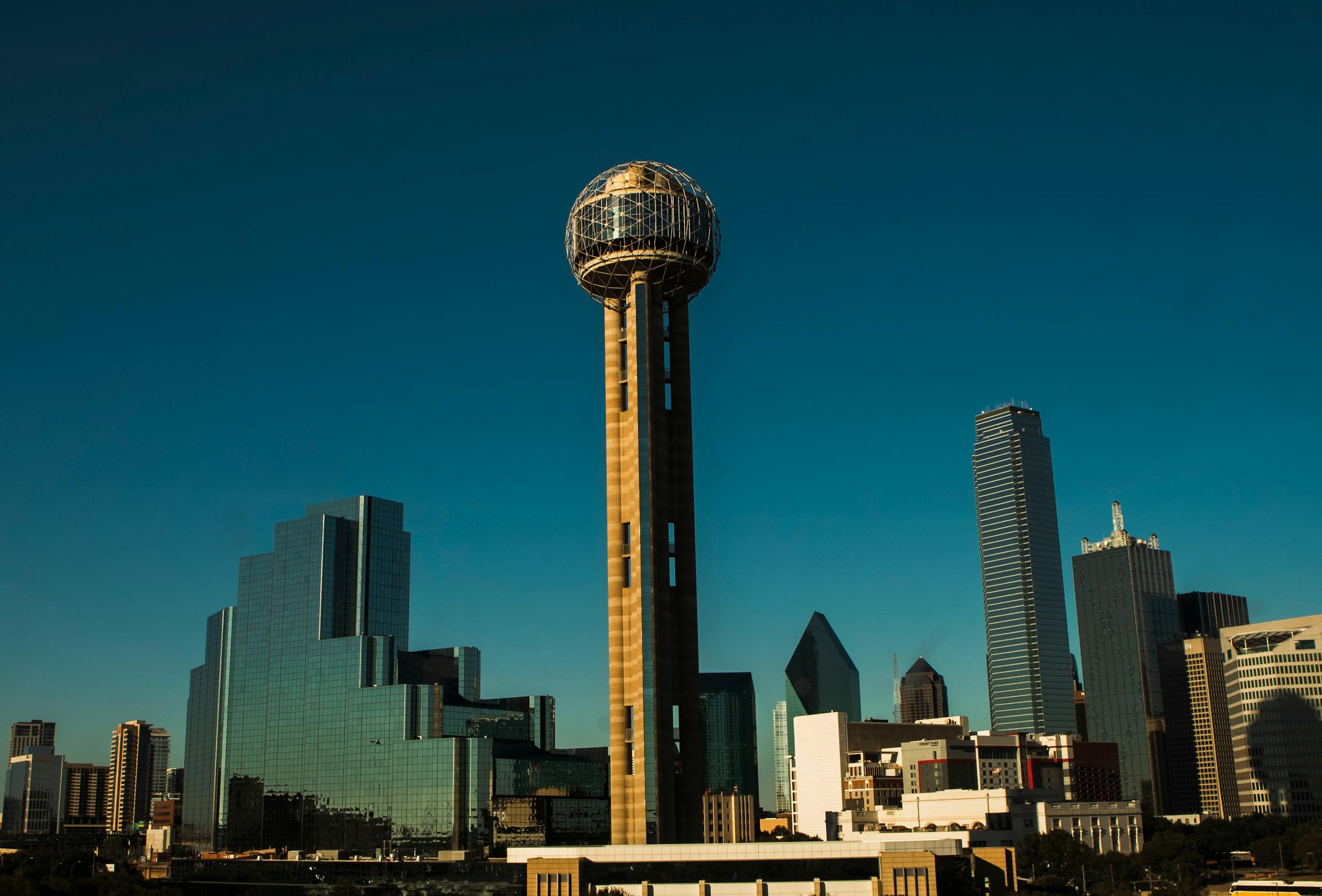
Dallas looks like a success story from the highway. The skyline shines, the business pitch is loud, and Mayor Eric Johnson’s 2023 switch to the Republican Party made Dallas the largest U.S. city with a GOP mayor.
That gave Republicans a powerful symbol, but symbolism does not clear the rent bill or erase the cracks under the skyline. Census QuickFacts lists Dallas with a 16.7 percent poverty rate and a median household income of $70,518 for 2020 to 2024.
The harder truth is that Dallas still faces problems typically thrown at Democratic cities. Homelessness, affordability pressure, and uneven neighborhood investment remain real.
Dallas and Collin Counties counted 3,541 people experiencing homelessness in the 2025 Point-in-Time count, even though the figure dropped from the previous year. A Republican mayor may change the political branding, but Dallas still has to prove that growth is reaching the people standing outside the glass towers.
Fresno
Fresno sits in one of America’s most important agricultural regions, which makes its hardship feel even sharper.
The city helps feed the country, yet too many people closest to the work still live on the edge. Mayor Jerry Dyer, a Republican and former police chief, won another four-year term in 2024, but the city’s deeper struggles are stubborn.
Census QuickFacts lists Fresno’s poverty rate at 20.1 percent and median household income at $70,991. The air adds another wound. The American Lung Association’s 2026 rankings placed Fresno-Hanford among the worst U.S. areas for ozone pollution.
Fresno is not short on toughness. It is short on proof that tough talk can break old patterns of poverty, pollution, and street-level distress.
Oklahoma City
Oklahoma City has been chasing a bigger national identity, and in many ways, it has earned attention. It has the Thunder, downtown projects, Olympic attention for 2028 events, and Mayor David Holt, a Republican who won a third term in 2026. The city has ambition, but that ambition can turn into a spotlight when basic problems remain visible.
Census QuickFacts lists Oklahoma City’s poverty rate at 15.1 percent and median household income at $68,656. The city’s 2025 homelessness count found 1,882 people experiencing homelessness, a slight increase from 2024.
That is the uncomfortable contrast. Oklahoma City can dream about arenas, sports prestige, and national attention, but many residents are still dealing with rent pressure, housing gaps, and low-wage stress.
Fort Worth
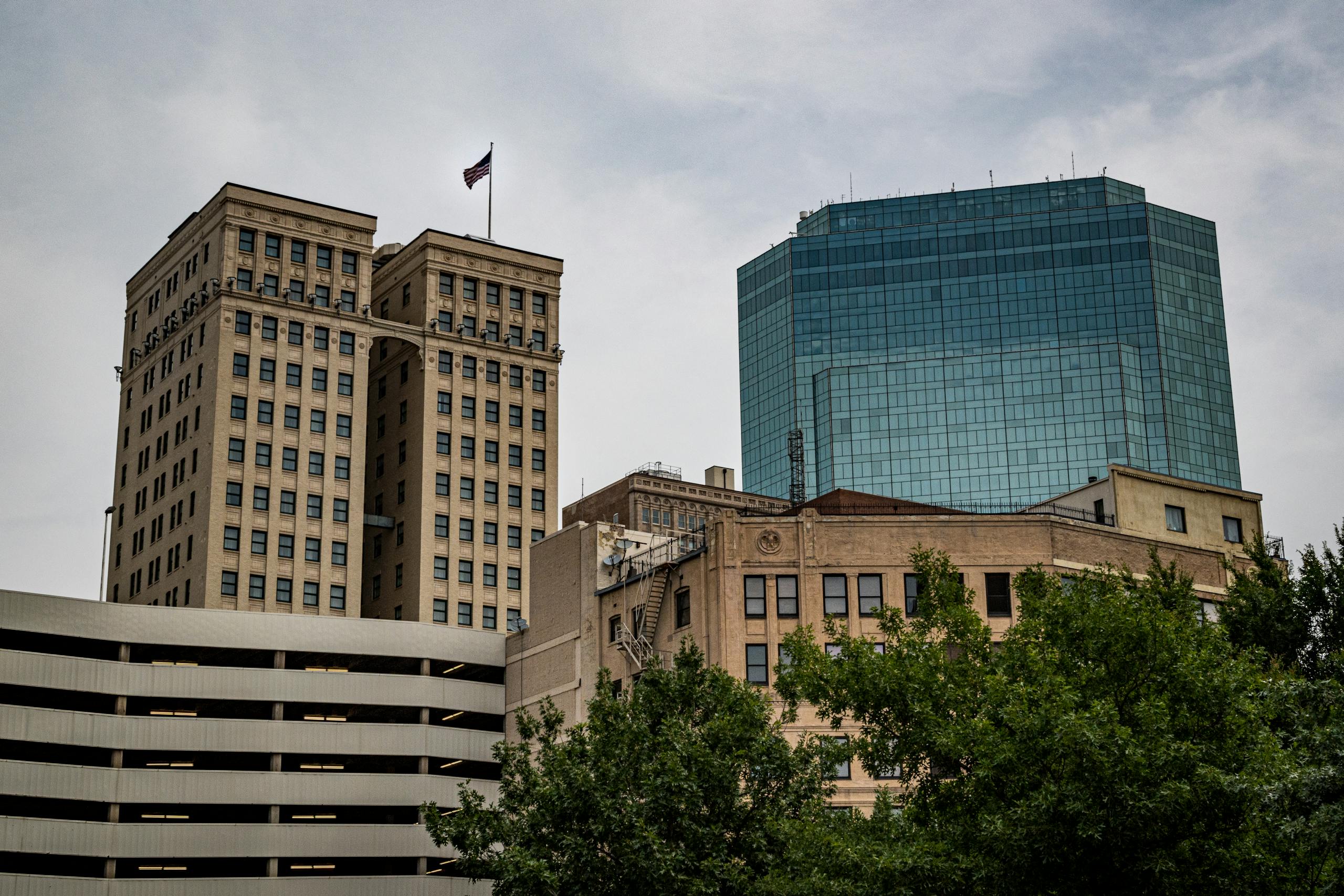
Fort Worth loves to present itself as calmer, tougher, and more grounded than its louder neighbors. Mayor Mattie Parker, a Republican, helped keep Fort Worth among America’s few big cities with GOP leadership.
The city is growing fast, crossing the one-million-resident mark and becoming one of the biggest urban growth stories in the country.
But growth is not always gentle. Census QuickFacts puts Fort Worth’s poverty rate at 13.1 percent, and Tarrant County’s homelessness data showed 2,390 people experiencing homelessness in 2024, with about 81 percent of them in Fort Worth.
A city can be booming and still feel stretched thin. Roads, schools, shelters, policing, and housing supply all have to keep pace, and Fort Worth is learning that conservative leadership cannot simply smile its way through growing pains.
Bakersfield
Bakersfield has a rugged identity, oil fields, agriculture, hot summers, working-class pride, and a Republican mayor, Karen Goh. The city’s official page still lists Goh as mayor, and Bakersfield often feels politically different from coastal California. But that difference has not protected residents from dirty air, poverty, and pressure on the quality of life.
Census QuickFacts lists Bakersfield’s poverty rate at 16.3 percent, with per capita income at $33,405. Even more painfully, the American Lung Association’s 2026 California findings ranked Bakersfield as the most polluted city for annual particle pollution.
That means the crisis is not just political. It is physical. Residents are breathing the cost of geography, industry, wildfire smoke, and weak environmental outcomes.
Mesa
Mesa looks like a clean Sun Belt success story. It has sunshine, suburban comfort, growth, and Mayor Mark Freeman, elected in 2024 as the city’s 41st mayor. Freeman is identified as a Republican, and his leadership fits Mesa’s conservative-leaning civic image. But desert growth always sends a bill eventually.
Census QuickFacts lists Mesa’s median owner-occupied home value at $408,000 and median gross rent at $1,620, which puts real pressure on families trying to stay rooted.
Mesa also sits inside Maricopa County, where the 2025 Point in Time count found 9,734 people experiencing homelessness. In a desert region, homelessness is not just a housing crisis. It is a health, heat, and survival crisis.
Hialeah
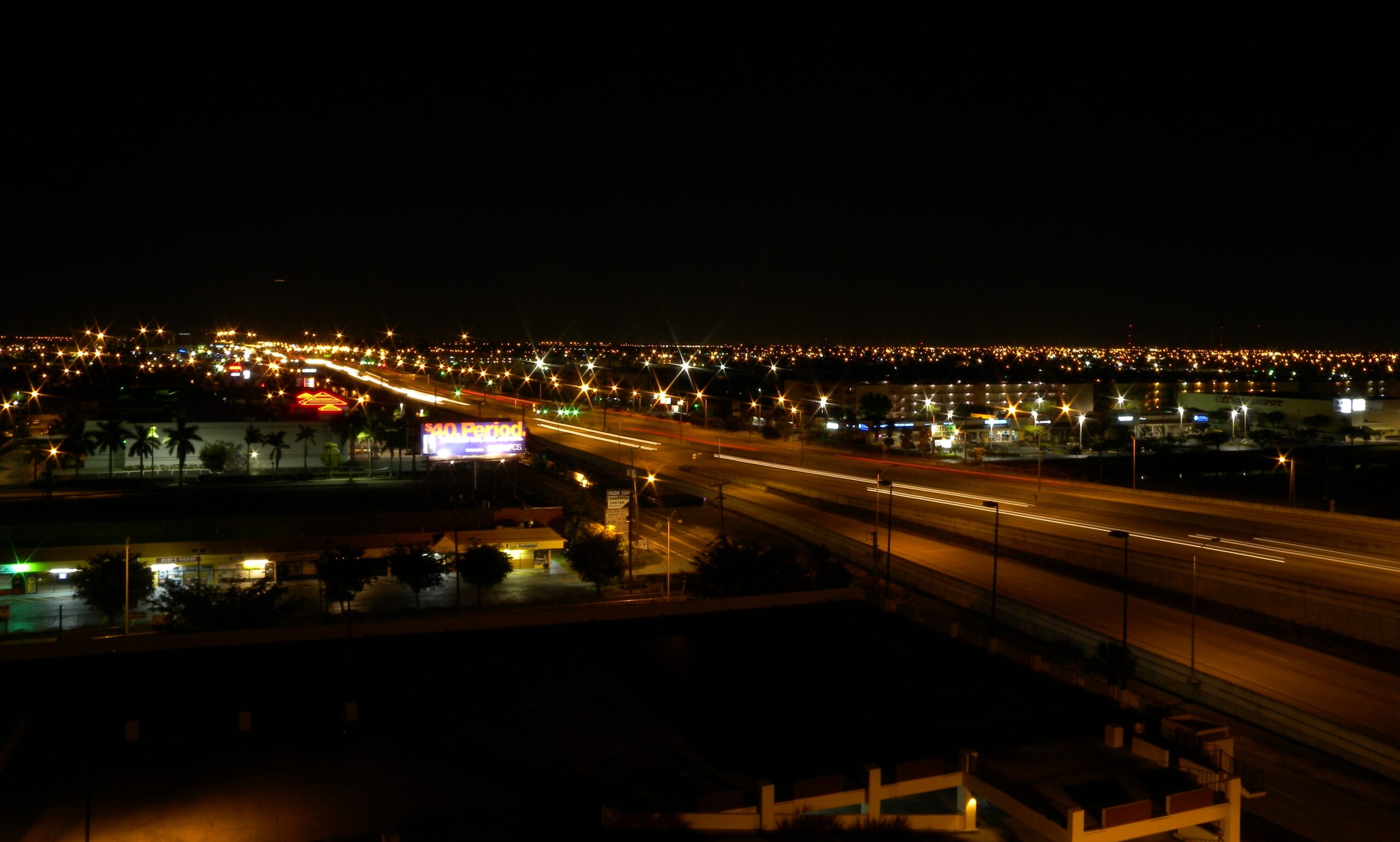
Hialeah is one of Florida’s most conservative urban strongholds, with deep Cuban American roots and a loud Trump-aligned political identity.
Bryan Calvo’s 2025 election as mayor made national and local headlines because he became Hialeah’s youngest mayor, and El País described him as a Trump-supporting Cuban American promising major change. That political energy is real, but so is the squeeze facing ordinary families.
Census QuickFacts lists Hialeah’s median household income at $55,594 and its poverty rate at 17 percent. That is where the conservative promise runs into the kitchen table. If wages stay modest and South Florida costs keep rising, voters can love low-tax rhetoric and still feel trapped by rent, groceries, insurance, and commuting costs.
Hialeah may vote red, but many residents are living with the same affordability pain seen in blue cities.
Lexington
Lexington is often seen as polished, educated, and more stable than many struggling cities. Mayor Linda Gorton is serving her second term, and she is identified as a Republican. The city has universities, horse country prestige, hospitals, and a softer image than many places on this list. But soft images can hide hard pressure.
In 2025, Gorton announced a Mayor’s Task Force on Homelessness after a study examined Lexington’s need for more shelter space. Census Reporter places Lexington Fayette’s poverty rate around 12.1 percent, meaning tens of thousands of residents still live below the poverty line.
Lexington is not collapsing, but it is another reminder that Republican aligned leadership does not automatically solve housing insecurity, shelter shortages, or the quiet poverty sitting behind attractive neighborhoods.
Lubbock
Lubbock has Texas pride, a major university, a conservative culture, and Mayor Mark McBrayer, who won reelection in May 2026. The city can point to progress in public safety, including local reporting that violent crime fell by nearly 20 percent from 2024 to 2025. That deserves credit, because voters care about results.
But safety is not the whole story. Census QuickFacts lists Lubbock’s median household income at $60,895 and its poverty rate at 18.9 percent. That means nearly one in five residents lives below the poverty line.
Lubbock shows a quieter kind of struggle, the kind that hides behind cheaper housing and shorter commutes. A city can feel affordable and still leave too many people one emergency bill away from panic.
Virginia Beach
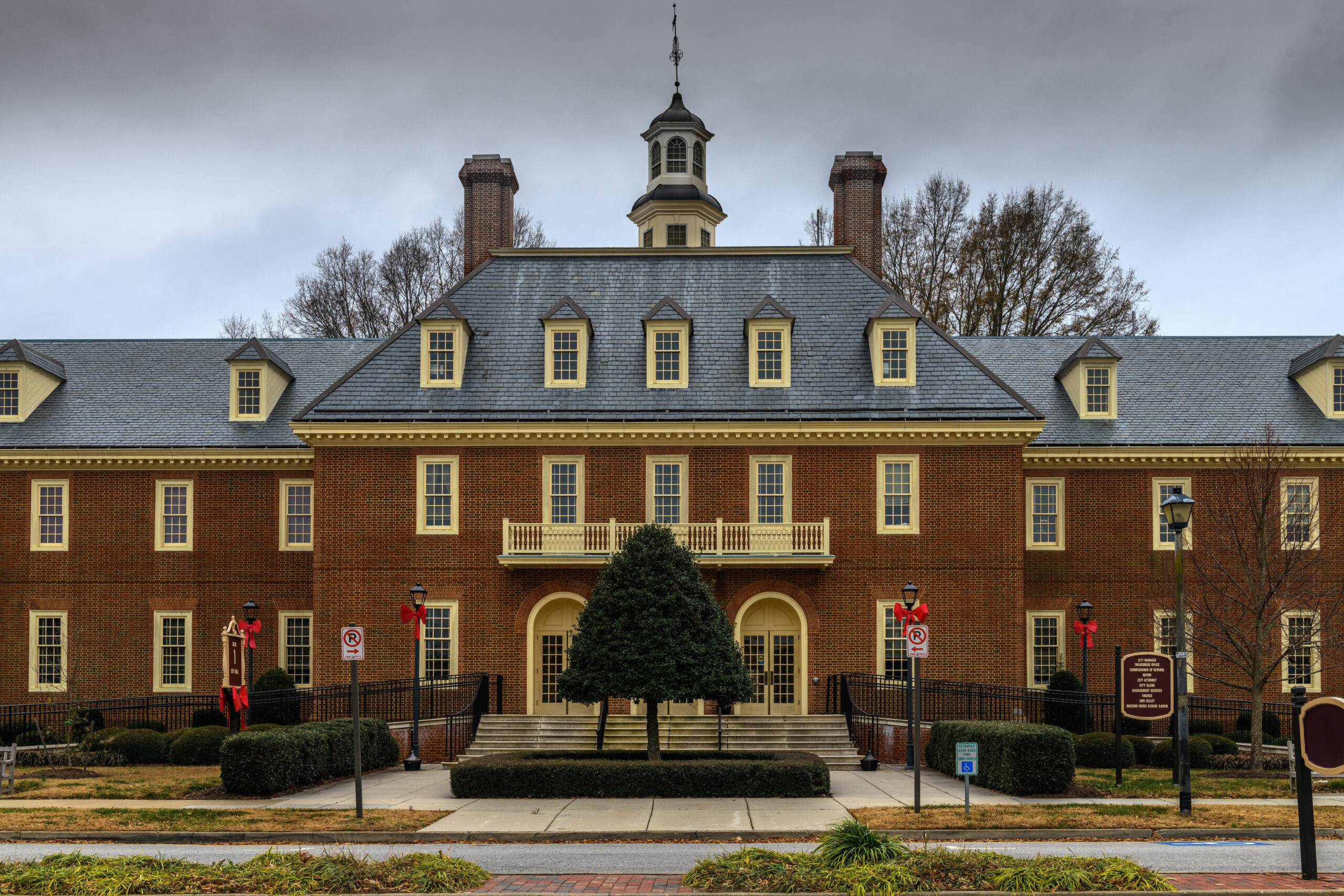
Virginia Beach does not look like a failing city at first glance. It has tourism, military ties, oceanfront appeal, and Mayor Bobby Dyer, whom Ballotpedia identifies as affiliated with the Republican Party.
Census QuickFacts also reports higher figures for the city than many places on this list, including a median household income of $92,968 and a poverty rate of 8.6 percent.
But some problems do not show up first in poverty data. They show up in drainage systems, flood maps, stormwater bills, and nervous homeowners. Virginia Beach’s own Sea Level Wise program says rising seas and changing rainfall patterns demand citywide action to protect vulnerable neighborhoods and industries.
That is where limited government language meets an expensive reality. Flood barriers, pumps, drainage upgrades, and coastal protection do not build themselves.
Conclusion
The easy political story says Democratic cities are chaotic and Republican cities are orderly. That story is too neat to be true. Republican led, and conservative-aligned cities can still have poverty, homelessness, dirty air, housing pressure, weak services, flood danger, and neighborhoods that feel left behind.
The fair standard should be the same for both sides. If Democratic leaders deserve criticism when their promises collapse on the sidewalk, Republican leaders deserve the same treatment when their promises fail the street test.
Voters do not live inside party slogans. They live inside rent bills, traffic jams, shelter lines, flood zones, asthma flare-ups, and paychecks that disappear too fast. In the end, the best-run city is not the one with the strongest political brand. It is the one where ordinary people can actually live.