10 Everyday Foods You Probably Didn’t Realize Were Born Out of U.S. Military Innovation
Every time we open a pantry, fix a quick snack, or grab something from the freezer, we’re often engaging with food technologies that trace back to one surprising source: military research.
The U.S. armed forces, tasked with feeding millions of troops across every climate and battlefield terrain, faced food‑related challenges that demanded breakthroughs in preservation, nutrition, transport, and durability.
What began as tactical solutions for the front lines gradually became staples of the modern kitchen.
From quick‑mix beverages to convenient packaged meals, the military’s investment in food science has reverberated through civilian tastes and grocery shelves. The story of these foods reminds us that some of the most ordinary products in our kitchens have extraordinary origi
How Military Food Science Transformed Everyday Eating
Behind each of these ten foods is a core problem the military needed to solve: how to deliver safe, nutritious food that could withstand extreme heat, long transit, minimal preparation, and extended storage without refrigeration.
The answers involved novel dehydration methods, packaging innovations, nutrient retention techniques, and advances in processing, solutions that would ultimately redefine convenience food for decades.
We begin with innovations that revolutionized how we consume daily basics and end with products that reshaped entire food categories
Instant Coffee

Instant coffee’s global popularity didn’t start in cafes; it began on battlefields and military camps where brewing fresh coffee was impractical. Soldiers needed quick, portable caffeine that could be prepared with minimal equipment.
Early formulations were harsh and focused solely on utility, but demand during World War I and World War II pushed manufacturers to improve taste and production techniques. As troops returned home accustomed to instant brews, the civilian market exploded.
Today’s soluble coffee packets trace their lineage back to this military necessity, products designed to deliver consistent flavor, stability, and convenience under any condition.
Frozen Orange Juice Concentrate

Ensuring adequate Vitamin C for troops stationed overseas was more than a dietary preference; it was a medical imperative.
Fresh fruit spoils quickly, especially in tropical climates, so the military partnered with scientists to develop a way to concentrate and freeze citrus juice while preserving flavor and nutrients.
The result was frozen orange juice concentrate, which kept longer, traveled more easily, and ultimately became a breakfast staple across middle‑class American households.
This invention transformed how juice was stored, transported, and consumed at scale, bridging military nutrition goals with consumer food trends.
Soft, Shelf‑Stable Bread

Bread has served as a dietary cornerstone for millennia, but on long deployments, traditional loaves stale too quickly. The U.S. military funded research into how to slow the staling process, focusing on starch behavior and shelf‑life extension techniques.
The outcome was bread that remained soft and palatable far longer than conventional loaves. This technology influenced commercial baking, enabling sandwich bread to remain fresh in supermarkets for days.
Soft, shelf‑stable bread is now synonymous with convenience, thanks to methods pioneered for military food rations.
Restructured Meat Products
Protein is vital for soldier strength and endurance, but transporting and storing whole cuts of meat posed considerable challenges.
The solution? Restructured meat, low‑value cuts that are ground, blended with binders, and formed into uniform shapes.
This innovation paved the way for mass‑produced proteins with consistent texture and portion control.
Civilian food production embraced this approach. Products like formed chicken nuggets and shaped pork sandwiches (most famously the McRib) rely on this military‑derived process, making meat more affordable and accessible in fast-food and retail markets.
Fortified Energy Bars
The quest for high‑calorie, lightweight nutrition gave rise to the precursor of today’s energy bars. Designed initially as survival rations with high nutrient density, early bars were intentionally unpalatable to deter casual consumption.
Over time, improvements in moisture control and ingredient stabilization made them more appealing. NASA’s space food programs intersected with military research, refining the technology for portable energy.
Modern granola, protein, and energy bars trace their heritage to these early military and aerospace nutrition solutions, delivering quick sustenance for athletes, adventurers, and busy consumers alike.
Freeze‑Drying Technology
Freeze‑drying began as a method for preserving blood plasma and pharmaceuticals for battlefield medicine, but it quickly became one of the most transformative technologies in food science.
By freezing products and removing water through sublimation, freeze‑drying retains texture, structure, and nutrients far better than conventional dehydration.
This technology revolutionized emergency rations, astronaut meals, backpacking supplies, and eventually commercial products like freeze‑dried fruits, soups, and even novelty items like astronaut ice cream.
Modified Atmosphere Packaging

Pre‑washed, ready‑to‑eat salad mixes are so ubiquitous today that we forget the engineering that makes them possible.
The military’s need to preserve perishable produce over long distances without spoilage led to the development of Controlled or Modified Atmosphere Packaging (MAP).
By carefully balancing the gases inside packaging to slow oxidation and respiration in produce, freshness can be dramatically extended. That technology didn’t remain confined to military supply chains.
It spilled into commercial agriculture and retail, making bagged salad greens, cut fruits, and fresh‑cut vegetable packs common fixtures in grocery aisles.
Dehydrated Cheese Powder
Dairy products are nutritious but notoriously perishable. During wartime, the delivery of cheese to troops pushed scientists toward dehydration solutions that minimized weight and spoilage while preserving taste.
The resulting cheese powder became a versatile ingredient with an extended shelf life.
Post‑war, food manufacturers leveraged this product to coat snacks like cheese puffs and flavor crackers, and to create boxed macaroni and cheese,all with the convenience of a shelf‑stable powder.
Today, cheese powder flavors millions of snacks, providing bold taste without fragile dairy ingredients.
Tropical Chocolate Bar
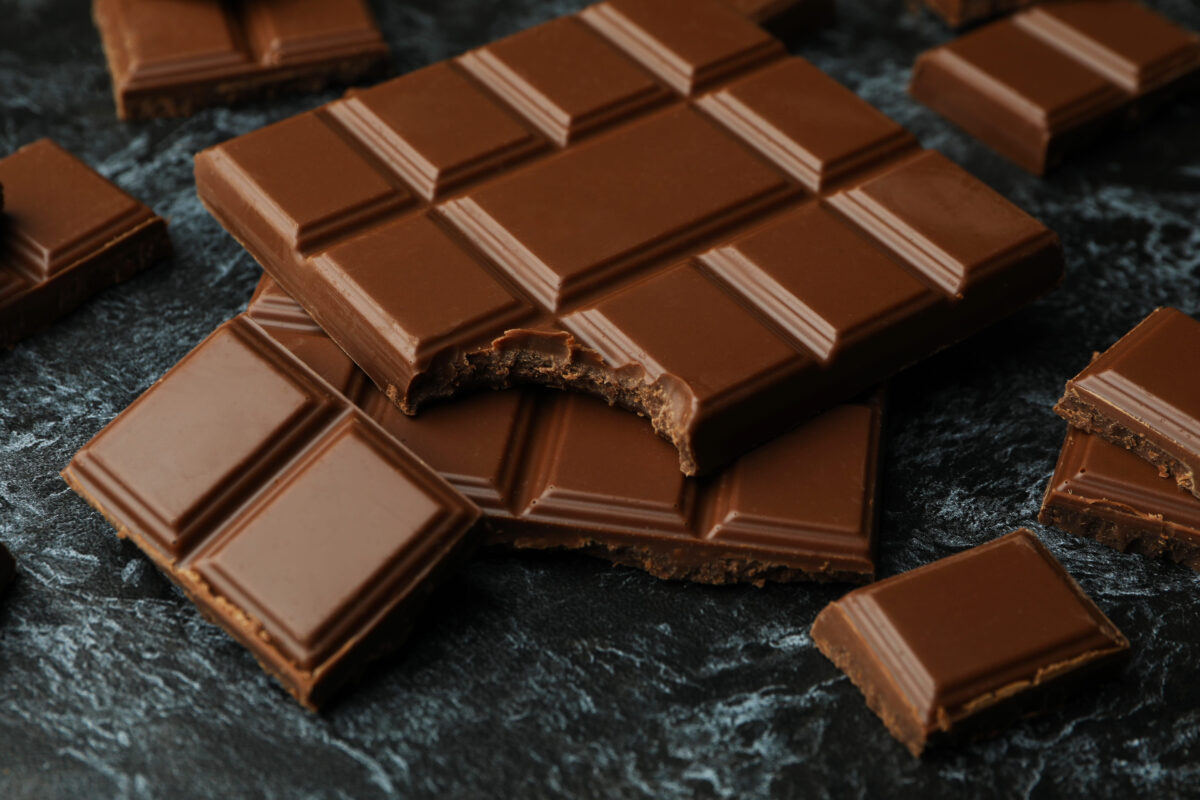
Standard chocolate simply melts in high temperatures, making it a poor choice for combat zones in warm climates.
The military’s solution was a heat‑resistant chocolate ration that would hold its form and deliver calories under adverse conditions.
Early versions sacrificed sweetness for durability, but subsequent improvements balanced palatability and stability.
This research laid the groundwork for commercial snack bars designed to resist melting in pockets, bags, and hot environments,extending chocolate’s presence beyond the candy aisle into energy bars and travel foods.
Potato Flakes
Potatoes are filling, versatile, and nutritious, but moving fresh potatoes to remote environments was expensive and inefficient. The solution: a dehydration method that turned cooked potatoes into lightweight flakes.
Once rehydrated with hot water or milk, these flakes regained the texture and flavor of mashed potatoes with a fraction of the weight and spoilage risk.
Instant mashed potatoes became a commercial success, bringing a hot, comforting side dish to dinner tables without peeling, boiling, or drain
Why These Innovations Still Matter
Each of these ten foods reflects a larger pattern: military necessity catalyzes scientific innovation, and once the technology proves successful, it enters everyday life.
The drivers include durability, portability, preservation of nutritional value, and cost-effectiveness, attributes that serve both military logistics and consumer preferences alike.
The food industry transformed these breakthroughs into products that fit consumer routines: quick breakfasts, family dinners, portable snacks, and ready meals. What began as tactical responses to wartime challenges now shape how we eat, cook, and shop.
Key Takeaways
The next time you grab a snack bar, pour a cup of quick coffee, or make instant mashed potatoes, consider this: these foods carry more than flavor.
They carry the legacy of logistics challenges, scientific breakthroughs, and innovation under pressure, ideas born not in commercial marketing labs but in the practical demands of feeding people with no kitchen, no refrigeration, and no guarantee of comfort.
The foods we take for granted were shaped by necessity. Their evolution from battlefield solutions to pantry favorites tells a story about how food technology, necessity, and taste intersect in ways we rarely notice, but that continuously shape how we eat.