8 Fast Food “Deals” That Are Starting to Feel Like a Ripoff
Fast food has long been synonymous with quick meals at affordable prices, promising satisfaction without the wallet shock. However, with rising prices and clever marketing, what once felt like an unbeatable bargain now often leaves customers wondering if they got their money’s worth.
As inflation and rising costs continue to impact the industry, many fast food chains have found new ways to package old meals as deals, but these so-called offers are starting to feel like anything but value.
In this article, we’ll explore 8 fast food “deals” that are starting to feel like a ripoff and why they no longer hold the same appeal they once did.
The “Value Menu” That Barely Feels Like Value Anymore
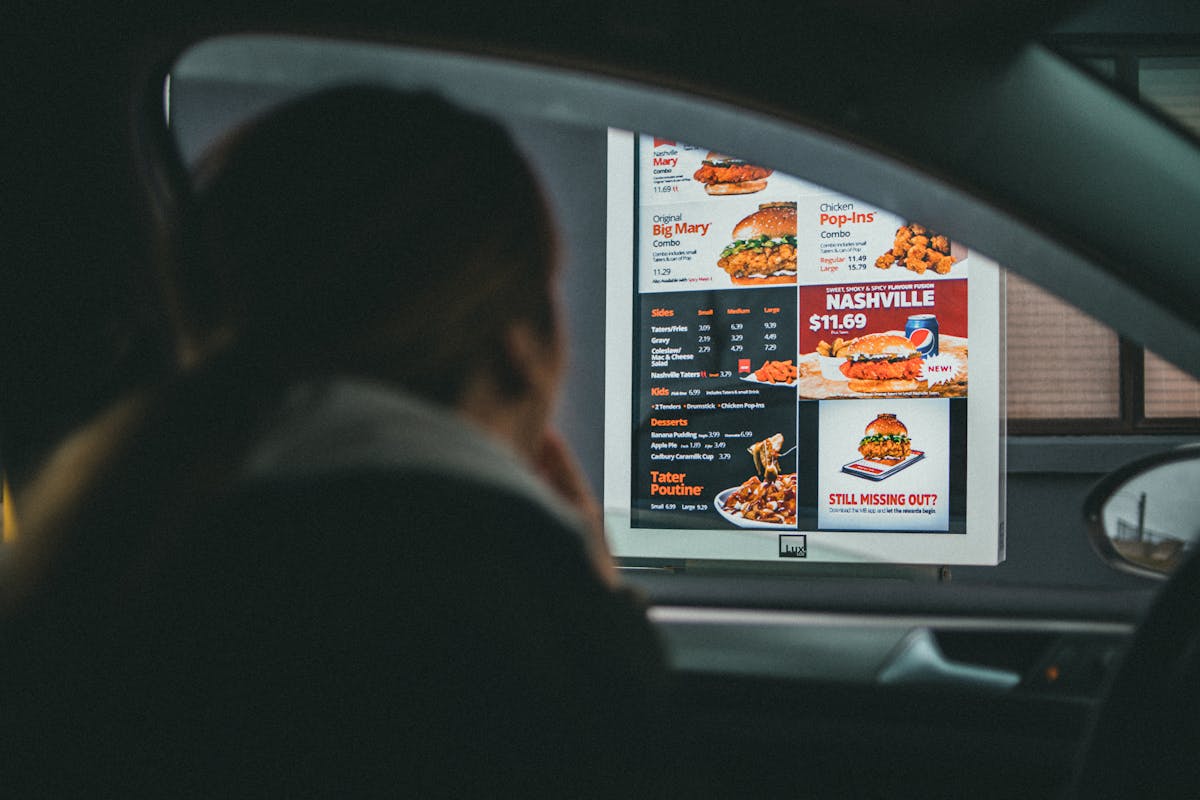
The value menu once promised a quick, affordable meal without breaking the bank, but today, many of these menus have lost their charm. Items that used to cost just a couple of dollars now hover around $3 or more. What once seemed like a steal now feels like a regular-priced item with a “value” label slapped on it. For many fast food chains, the value menu has become an outdated marketing tool, offering little in terms of real savings. When a small sandwich or snack now costs more than a full meal used to, it’s hard to see the value in it.
App-Only Deals That Make Saving Feel Like a Chore
Fast-food apps were designed to streamline ordering and offer exclusive deals to loyal customers. However, these so-called “exclusive” deals often come with strings attached. Customers are required to download the app, create an account, and wade through a sea of complicated offers just to unlock a “discount.”
While some of these deals may offer genuine savings, the time and effort required to access them often outweigh the benefits. The convenience of a quick meal can quickly turn into a hassle when customers are forced to jump through hoops just to get a decent deal.
Combo Meals That Cost More Than Ordering Separately

Combo meals were once the hallmark of fast food dining, offering customers a quick, easy way to get a complete meal at a set price. But these bundles often cost more than if customers had simply ordered the individual items separately.
The price of combos has increased significantly over the years, while the actual savings remain minimal, especially when customers opt to upsize or add extra items. What was once an easy decision now feels like a forced purchase, with customers paying more for items they may not even want or need.
“Two for” Deals That Push Customers to Buy More Than They Need
Two-for-one deals are designed to make customers feel like they’re getting more for their money, but they often encourage overbuying. While these deals may look attractive on the surface, many customers only wanted one item in the first place.
Buying two unnecessary items just to save a few cents can result in food waste and wasted money. The idea of “getting more” can make people feel like they have no choice but to buy extras, even when they don’t need them.
Limited-Time Meal Deals That Sell Hype Instead of Savings
Limited-time meal deals are a staple of fast food marketing, often tied to movie releases, celebrity endorsements, or seasonal flavors. These meals are advertised as exclusive, must-try offers, but they often turn out to be little more than rebranded versions of standard menu items.
Customers may pay extra for the novelty factor, only to find that the meal isn’t anything special. While these deals can be fun, they rarely provide the value they promise, and once the novelty wears off, customers are left feeling underwhelmed.
Smaller Portions Hidden Inside “Affordable” Bundles

Fast food bundles are marketed as affordable ways to get a full meal, but they often come with a hidden catch: smaller portions. The “affordable” price may look good on paper, but the actual food may be a lot less satisfying than customers expect.
Smaller fries, drinks, or sandwiches can leave customers hungry shortly after finishing their meal. While the price may be lower, the portion size often doesn’t reflect the cost, leaving many feeling they paid more for less.
Breakfast Deals That Look Cheap Until the Add-Ons Begin
Fast food breakfast deals are often touted as the best value of the day, but the reality can be different. While the base price of a breakfast bundle may seem like a good deal, adding extras like coffee, hash browns, or extra meat can quickly raise the price.
Many customers want only a simple breakfast sandwich, but once they start adding items, the total cost can be much higher than anticipated. What looked like an affordable morning meal can quickly turn into an expensive habit.
Delivery Deals That Disappear Under Fees

Fast food delivery has become a convenient way to enjoy meals at home, but the advertised delivery deals often come with hidden costs. While a fast food chain may offer free delivery or discounted items, the final price often includes delivery fees, service charges, and tipping.
These additional fees can make a seemingly affordable meal feel much more expensive once it arrives at the door. The convenience of delivery should not come at a hefty price, yet many customers are finding themselves paying significantly more than the original deal suggested.
Conclusion
Fast food deals are no longer as straightforward as they once were. With rising prices, smaller portions, and hidden fees, what once seemed like a steal can now feel like a costly gamble.
While some fast-food promotions still offer genuine value, many rely on clever marketing tactics that hide the true cost of the meal. As customers become more aware of these tricks, it’s important to be discerning when evaluating fast food deals.
A real deal should be simple, transparent, and provide true value,not just a cleverly disguised way to get customers to spend more.