8 Foods You Should Never Feed Your Toddler and What You Should Give Them Instead
As a parent, it’s natural to want the best for your toddler, especially when it comes to their diet. A nutritious diet is crucial for their growth, development, and overall health.
While it’s important to introduce a variety of foods to your little one, there are certain foods that should be avoided due to their potential harm. In this article, we’ll explore 8 foods best kept away from toddlers and offer healthier alternatives that can nourish them better.
Choking Hazards

Hot dogs, grapes, and whole nuts are common choking hazards for toddlers. These foods can easily get lodged in their windpipe, posing serious risks.
Toddlers tend to put things in their mouths, and these foods are particularly dangerous because of their shape and texture.
What to Give Instead: Cut grapes into small pieces and offer soft, cooked vegetables like carrots or peas. For nuts, try nut butter, but spread it thinly on toast or crackers. You can also introduce soft fruits, such as banana slices or berries.
High-Sugar Snacks and Desserts
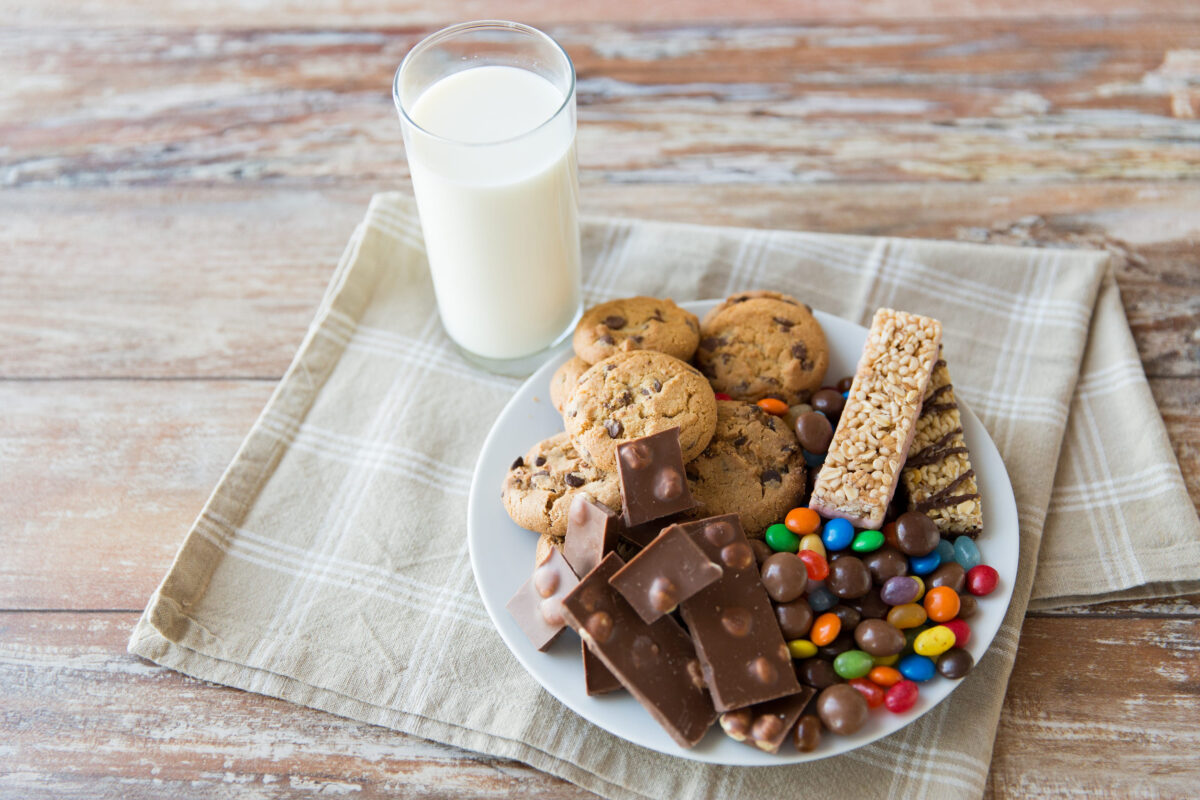
Candy, cookies, and other sugary snacks may seem tempting, but they offer little nutritional value and can lead to weight gain, tooth decay, and even early-onset diabetes in young children.Portrait of little Asian girl enjoying grapes, young girl eat fruit
These foods often lack the essential vitamins and minerals toddlers need to grow healthy and strong.
What to Give Instead: Choose naturally sweet alternatives like fruits, especially berries, apples, and pears. You can also serve homemade smoothies with fresh fruit, spinach, and a bit of yogurt for a nutrient-packed treat.
Sugary Drinks and Sodas
Sugary beverages such as sodas, sweetened juices, and flavored milk are loaded with sugar and empty calories.
These drinks can not only contribute to unhealthy weight gain but also increase the risk of cavities and other dental issues.junk food, sweets and unhealthy eating concept – close up of candies, chocolate, muesli and cookies with milk glass on plate
What to Give Instead: Water should be the primary drink for toddlers. If they want something more flavorful, opt for water with a splash of fresh fruit or herbal teas. You can also provide milk, either cow’s milk or fortified plant-based alternatives, which offer essential nutrients like calcium and vitamin D.
Processed Meats

Processed meats like bacon, sausages, and deli meats contain high levels of salt, fat, and preservatives, which are not suitable for a growing toddler’s diet.
Excessive sodium intake can lead to kidney problems, while the preservatives in processed meats may harm their developing bodies.
What to Give Instead: Choose lean, fresh cuts of meat such as chicken, turkey, or fish. If your toddler enjoys sausages, opt for homemade versions with lean meats and avoid added sodium and preservatives. You can also serve plant-based alternatives, such as lentils or tofu, for protein.
Whole Milk Before Age 1
While whole milk is a staple for many toddlers, it should not be given before the age of 1. It lacks the proper nutrients that an infant needs during the first year and can interfere with iron absorption, potentially leading to anemia.
Whole milk is also too high in protein and fat for a baby’s developing kidneys.
What to Give Instead: Breast milk or formula is ideal for infants under 1 year of age. After age 1, you can introduce whole milk gradually if your pediatrician recommends it. Alternatively, fortified plant-based milk options, such as almond or soy milk, can be a good substitute, depending on your child’s nutritional needs.
Highly Salty Foods
Salty foods like chips, pretzels, and processed snacks are loaded with sodium, which can be harmful to toddlers.
High sodium intake can affect kidney function and raise the risk of hypertension in later life. These snacks also often lack the vitamins and minerals needed for proper development.
What to Give Instead: Offer air-popped popcorn, baked veggie chips, or homemade whole-grain crackers. You can also make your own salty snacks at home by using less salt and including nutritious ingredients like oats, seeds, and whole-wheat flour.
Artificial Sweeteners and Sugar Substitutes
Artificial sweeteners like aspartame and saccharin are not suitable for toddlers as they may interfere with their taste buds, affecting their ability to enjoy the natural sweetness of healthy foods.
These additives have no nutritional value and are often linked to long-term health concerns.
What to Give Instead: Stick to natural sweeteners such as honey (for toddlers over one year old), pure maple syrup, or mashed fruits. These options are better for their health and promote a healthier relationship with food.
Unpasteurized Juices and Dairy Products
Unpasteurized juice or dairy products, such as raw milk, pose a risk of harmful bacteria, including E. coli, which can cause severe illness.
Toddlers, whose immune systems are still developing, are especially vulnerable to foodborne infections.
What to Give Instead: Always choose pasteurized products, including dairy products such as milk, cheese, and juices. Pasteurization helps eliminate harmful bacteria, making these products safe for young children. For juices, opt for 100% fruit juice with no added sugars, but be sure to offer it in moderation.
Conclusion
Feeding your toddler the right foods is key to helping them grow healthy, strong, and happy. Avoiding the foods listed above,such as choking hazards, sugary snacks, and processed items,can make a big difference in your toddler’s health.
Instead, choose fresh fruits and vegetables, whole grains, lean proteins, and healthy snacks that will provide the essential nutrients your little one needs to thrive. By making mindful choices, you can ensure your toddler is on a path to a healthy, balanced diet that supports their development for years to come.
What foods does your toddler love the most? Are there any foods you’re thinking about replacing to improve their diet?