10 Hidden Ways Modern Life Is Quietly Making Us Sick
Modern life looks easier on paper. We can order dinner from the couch, work from a laptop, talk to friends across the world, and fall asleep with a glowing screen inches from our face. Yet the same world that keeps us connected, fed, entertained, and efficient is also putting pressure on our bodies in ways we barely notice.
We are not getting sick only because of germs, genetics, or bad luck. We are also getting sick because daily life has changed faster than the human body can comfortably handle. Our sleep cycles fight artificial light, our metabolism fights ultra-processed food, our nervous system fights constant alerts, and our lungs fight polluted air. The modern world is not always attacking us loudly. Sometimes, it is making us sick through convenience.
Antibiotic Overuse Is Weakening One Of Medicine’s Greatest Tools

Antibiotics changed human history. They save lives, protect surgery patients, treat dangerous infections, and make modern medicine possible. The problem is misuse and overuse. When antibiotics are used when they are not needed, or used incorrectly, bacteria and fungi get more chances to adapt and survive.
The CDC warns that antimicrobial resistance can affect anyone at any stage of life, and even resistance to one antibiotic can create serious problems. This is because some infections become difficult, or even impossible, to treat. Antibiotic stewardship focuses on using antibiotics only when they provide clear benefit, which protects patients now and preserves treatments for the future.
There is also a gut health angle. Antibiotics can disturb helpful bacteria, which play important roles in digestion, immunity, and metabolism. That does not mean people should avoid prescribed antibiotics when they are necessary. It means modern medicine works best when powerful tools are used with care.
Artificial Light Is Disrupting Our Natural Sleep Rhythm
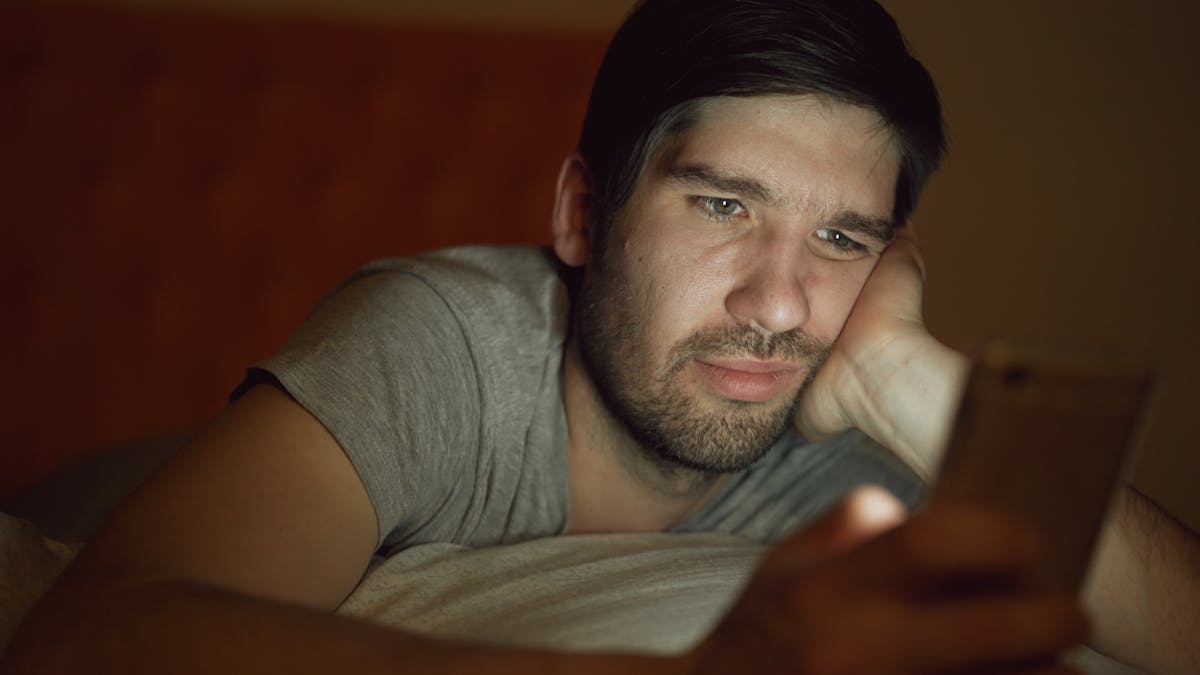
The human body was built around a simple pattern: bright days and dark nights. Modern life broke that rhythm. Streetlights, LED bulbs, phone screens, laptop displays, alarm clocks, car headlights, and glowing appliances keep light around us long after sunset. That matters because evening light can suppress melatonin, the hormone that helps the body prepare for sleep, and blue light has one of the strongest effects on circadian timing.
Poor sleep is not just about feeling tired the next morning. Sleep affects blood pressure, appetite, memory, immune response, mood, blood sugar, and heart health. In 2024, 30.5% of U.S. adults slept less than 7 hours in a 24-hour period, meaning millions of people are moving through life with a body that never gets enough time to repair itself.
The danger is that artificial light feels harmless. A bright kitchen at midnight, one more episode before bed, or a quick scroll under the blanket does not feel like a health decision. Yet repeated night after night, these habits teach the brain that bedtime is negotiable. The body pays for that confusion with shallow sleep, late sleep, daytime cravings, irritability, and slower recovery.
Loneliness Is Becoming A Physical Health Problem
Modern life connects people digitally, but it can still leave them emotionally alone. We can have hundreds of contacts, endless notifications, and constant group chats while still lacking deep, reliable, face-to-face support. That gap matters because human connection is not just emotional comfort. It is part of health.
The CDC defines social isolation as lacking relationships, contact, or support from others, and loneliness as feeling alone, disconnected, or not close to others. It warns that both can raise the risk of serious mental and physical health conditions. The National Institute on Aging also notes that loneliness and social isolation are associated with higher risks of heart disease, depression, and cognitive decline.
Loneliness can push people into unhealthy coping patterns. Some eat more, drink more, sleep worse, move less, avoid medical care, or spend more time online in ways that deepen the cycle. The body reads chronic disconnection as stress. That means loneliness can show up as fatigue, high blood pressure, low mood, poor immunity, and a weaker sense of purpose.
Ultra-Processed Foods Are Replacing Real Meals

Modern food is designed to be cheap, fast, tasty, and everywhere. That sounds convenient until we look at what has happened to the average plate. Many people now eat meals built from refined starches, added sugars, industrial oils, preservatives, flavor enhancers, processed meats, sweet drinks, and packaged snacks. These foods are easy to overeat because they are often soft, salty, sweet, low in fiber, and engineered to keep us reaching for more.
Research increasingly links high ultra-processed food intake with obesity, type 2 diabetes, hypertension, dyslipidemia, chronic kidney disease, and cardiovascular disease. A recent European cardiology review found consistent associations between ultra-processed food consumption and several major chronic conditions, including obesity, type 2 diabetes, chronic kidney disease, and cardiovascular disease.
The bigger issue is that ultra-processed food does not always look like junk food. It can hide behind protein bars, flavored yogurts, frozen meals, breakfast cereals, bottled drinks, low-fat snacks, and “healthy” packaged options. We are not just eating more calories. We are eating foods that can disturb hunger signals, crowd out nutrients, and make real food feel less exciting.
Air Pollution Is Damaging More Than The Lungs
Modern life runs on movement, electricity, factories, shipping, heating, cooling, and construction. Those systems support daily comfort, but they also produce polluted air. Fine particles and gases can enter the lungs, move into the bloodstream, and affect the heart, brain, blood vessels, and immune system.
WHO data show that 99% of the world’s population lives in places where air pollution levels exceed WHO guideline limits. The WHO also reports that exposure to ambient and household air pollution caused 6.7 million deaths in 2019.
Air pollution is especially unfair because people cannot always choose the air they breathe. A person can eat better, sleep better, and exercise more, yet still live near traffic, industrial sites, wildfire smoke, or household pollution. Cleaner air is not just an environmental issue. It is a public health issue that affects asthma, heart disease, pregnancy outcomes, stroke risk, and life expectancy.
Added Sugar Is Overloading The Body
The body uses glucose for energy, and fruit, dairy, and whole grains can fit comfortably into a healthy diet. The modern problem is added sugar, especially in drinks, snacks, sauces, cereals, coffee drinks, desserts, and processed foods. Added sugar enters the bloodstream quickly, tastes good, and often provides little fiber, protein, or lasting fullness.
The American Heart Association recommends limiting added sugars to no more than 6% of daily calories, which works out to about six teaspoons a day for most women and nine teaspoons a day for most men. Sugary drinks are especially risky because liquid calories do not satisfy hunger the same way solid food does, and daily sugar-sweetened beverage intake has been linked to a higher risk of cardiovascular disease and type 2 diabetes.
The trap is that added sugar is socially normal. Birthday cake, soda, flavored coffee, sports drinks, office snacks, and late-night desserts can become part of the background of life. Over time, the body has to keep managing repeated glucose spikes, insulin surges, cravings, and energy crashes. That daily cycle can quietly push people toward weight gain, fatty liver, diabetes risk, and heart strain.
Noise Pollution Keeps The Body On Alert

Noise is one of the most ignored health risks of modern life. Traffic, sirens, construction, planes, loud neighbors, office chatter, machinery, generators, nightlife, and constant background hums can keep the nervous system activated even when we think we are used to them. The ears may adapt, but the body often does not.
The World Health Organization notes that excessive environmental noise is linked with ischemic heart disease, hypertension, sleep disturbance, hearing impairment, tinnitus, and cognitive impairment. Chronic noise can also heighten stress responses and harm mental well-being, especially when people have little control over the noise around them.
Noise becomes dangerous because it invades recovery time. A loud commute can start the day with tension. A noisy workplace can drain focus. Night traffic can fracture sleep without fully waking us. Children may struggle to learn in noisy environments, and adults may feel anxious or exhausted without knowing why. Silence is not a luxury. It is a biological reset button.
Climate Change Is Turning Weather Into A Health Threat
Climate change is often discussed as a planet problem, but it is also a body problem. Hotter days strain the heart and kidneys. Flooding contaminates water. Drought affects food supply. Warmer conditions can shift the spread of insects and infections. Wildfire smoke worsens breathing problems. Extreme weather can also bring injury, trauma, displacement, and mental stress.
The CDC says climate-related disruptions can increase respiratory and cardiovascular disease, injuries, and premature deaths from extreme weather, changes in foodborne and waterborne illnesses, infectious disease patterns, and mental health threats. This makes climate change one of the clearest examples of how the modern world can make people sick at scale.
The health burden does not fall evenly. Older adults, children, outdoor workers, people with chronic illness, low-income communities, and people in poorly cooled housing often face the greatest risk. We can talk about climate in terms of carbon, temperature, and policy, but the everyday reality is simpler. More people are living in conditions that make it harder for the body to stay healthy.
Digital Overload Is Exhausting The Brain
Smartphones are useful, but they have changed the texture of daily life. Many people now live in a state of partial attention, switching between work messages, news alerts, social media, entertainment, shopping apps, emails, and private chats. The brain rarely gets a clean stopping point.
Screen use can affect sleep through light exposure, mental stimulation, emotional content, and delayed bedtime. Smartphones and tablets emit short-wavelength light that has been shown to suppress melatonin after extended exposure, and bedtime technology use is associated with poorer sleep quality in many studies.
The deeper issue is not only sleep. Digital overload trains us to expect interruption. It makes boredom feel uncomfortable, and rest feel unproductive. We begin checking the phone during meals, conversations, work breaks, bathroom trips, and the first quiet seconds before sleep. The modern brain is not weak. It is simply being asked to process more signals than it was designed to handle.
Sitting All Day Is Becoming A Silent Health Risk

The modern world has made movement optional. We drive to work, sit at desks, use elevators, order groceries, stream entertainment, and communicate without walking across a room. For many people, the body spends most of the day in a chair. That is a problem because the human body expects regular movement, not one workout squeezed into an otherwise motionless day.
The World Health Organization warned in 2024 that nearly 1.8 billion adults were at risk of disease due to insufficient physical activity. Physical inactivity raises the risk of heart attacks, strokes, type 2 diabetes, dementia, breast cancer, and colon cancer. U.S. guidance recommends at least 150 minutes of moderate-intensity aerobic activity each week, plus two days of muscle-strengthening activity.
The problem is not only laziness. Modern environments are built for sitting. Workplaces reward screen time, neighborhoods may lack safe sidewalks, and busy schedules make movement feel like an extra task. Health improves when we stop treating exercise as a special event and start bringing motion back into ordinary life through walking, stretching, stairs, chores, standing breaks, and active errands.