10 Car Myths That Still Fool Drivers and Waste Money
Cars are a part of everyday life, yet myths about how they work persist with astonishing persistence. These misconceptions aren’t just harmless folklore; they shape how people drive, maintain their vehicles, spend money on repairs, and even respond in emergencies.
Many of these beliefs trace back to outdated technology, misinterpreted warnings, or incomplete logic. In reality, modern vehicles are engineered with sophisticated systems that render these old sayings obsolete.
Below, we debunk 10 of the most commonly held car myths with clear explanations and real‑world insight. If you’ve ever repeated one of these phrases or advised someone else on them, it’s time to retire the old wisdom and replace it with facts.
Letting Your Car Idle to Warm It Up Is Necessary
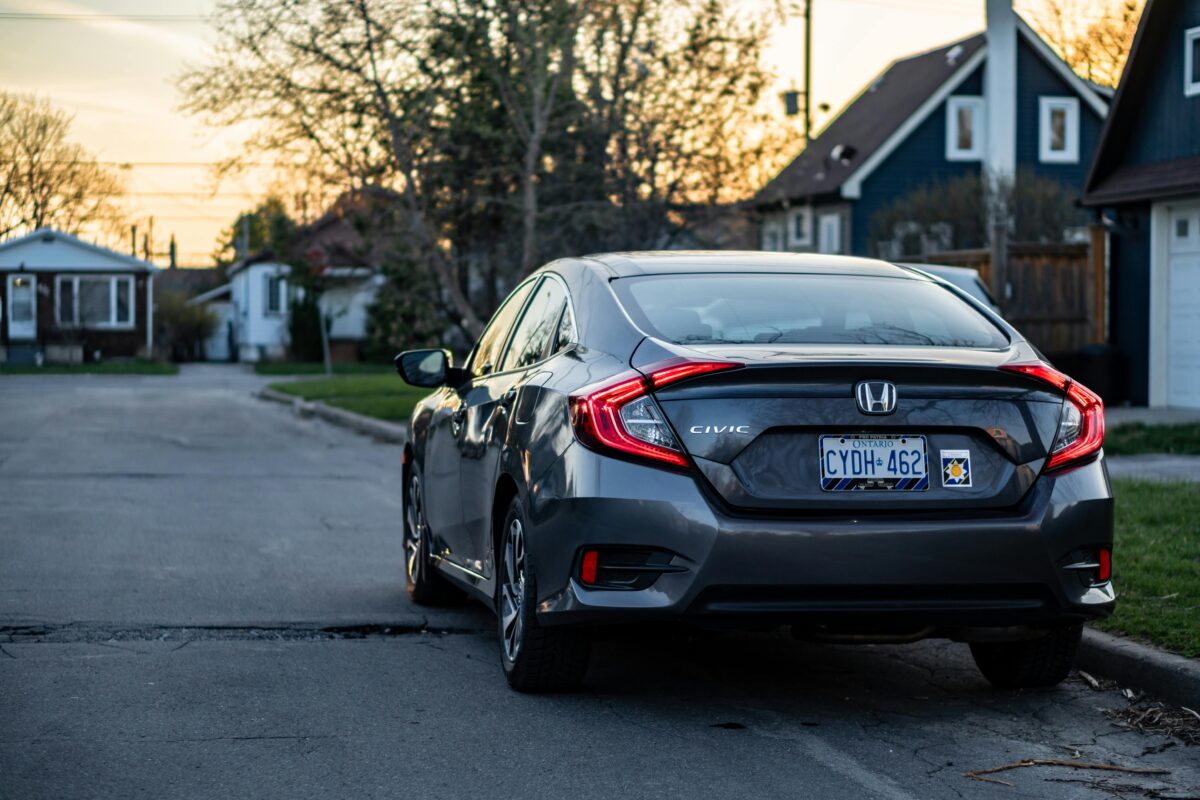
For years, drivers have been told to start their cars on cold mornings and let them idle before heading out. The belief is that engines need time to warm up before they are safe to drive.0Reality: Modern engines don’t need extended idling. Cars today use advanced fuel‑injection and engine management systems that optimize performance from the moment you start the engine. Excessive idling wastes fuel, increases emissions, and prevents the engine from reaching an efficient operating temperature.
Best practice: Start the car, clear your windows, and drive gently until the engine warms up naturally. This approach brings the engine to optimal temperature faster and uses less fuel.
Manual Transmission Cars Are Always More Fuel‑Efficient
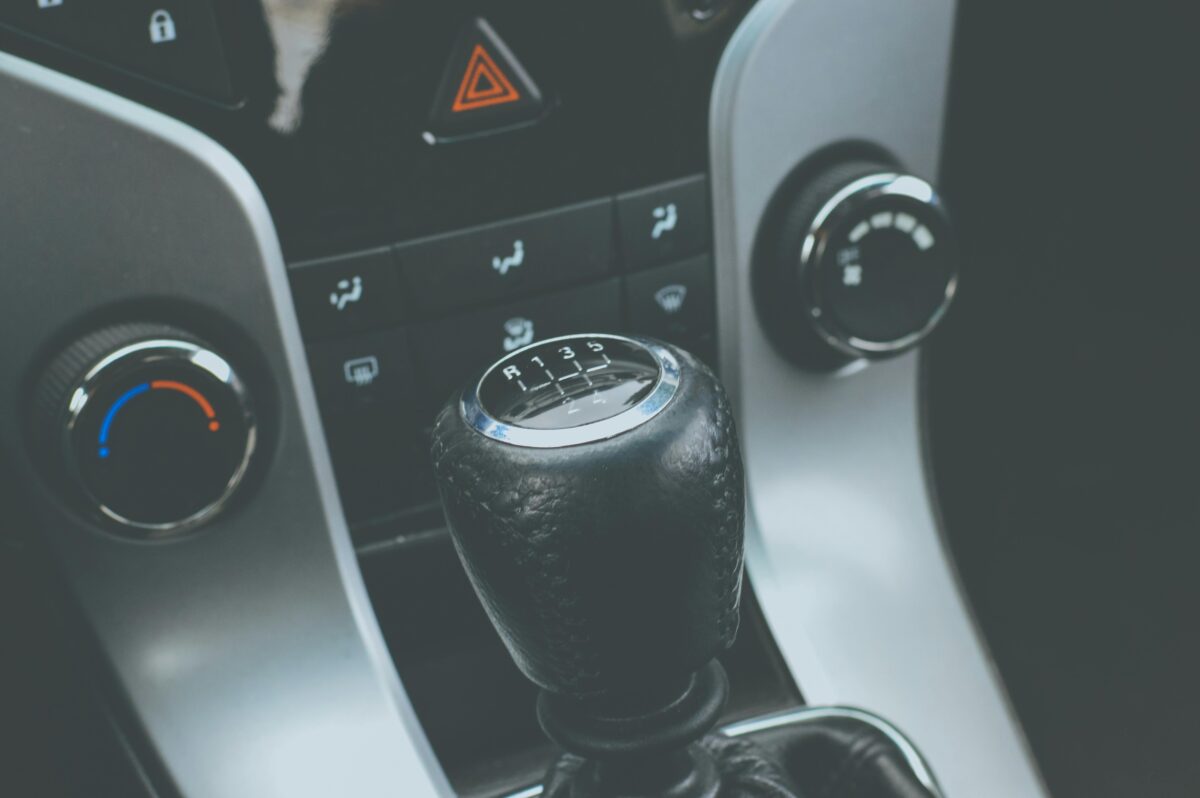
Many drivers swear that stick‑shift cars save more fuel than automatics.
Reality: This was often true in decades past, but advancements in automatic transmissions, including more gears, better torque converters, and sophisticated electronics, have closed the gap or even reversed it in many models. Some automatics shift more efficiently than human drivers ever could.
Bottom line: Fuel economy depends on the specific vehicle and how it is driven, not simply whether the transmission is manual or automatic.
You Must Change Your Oil Every 3,000 Miles
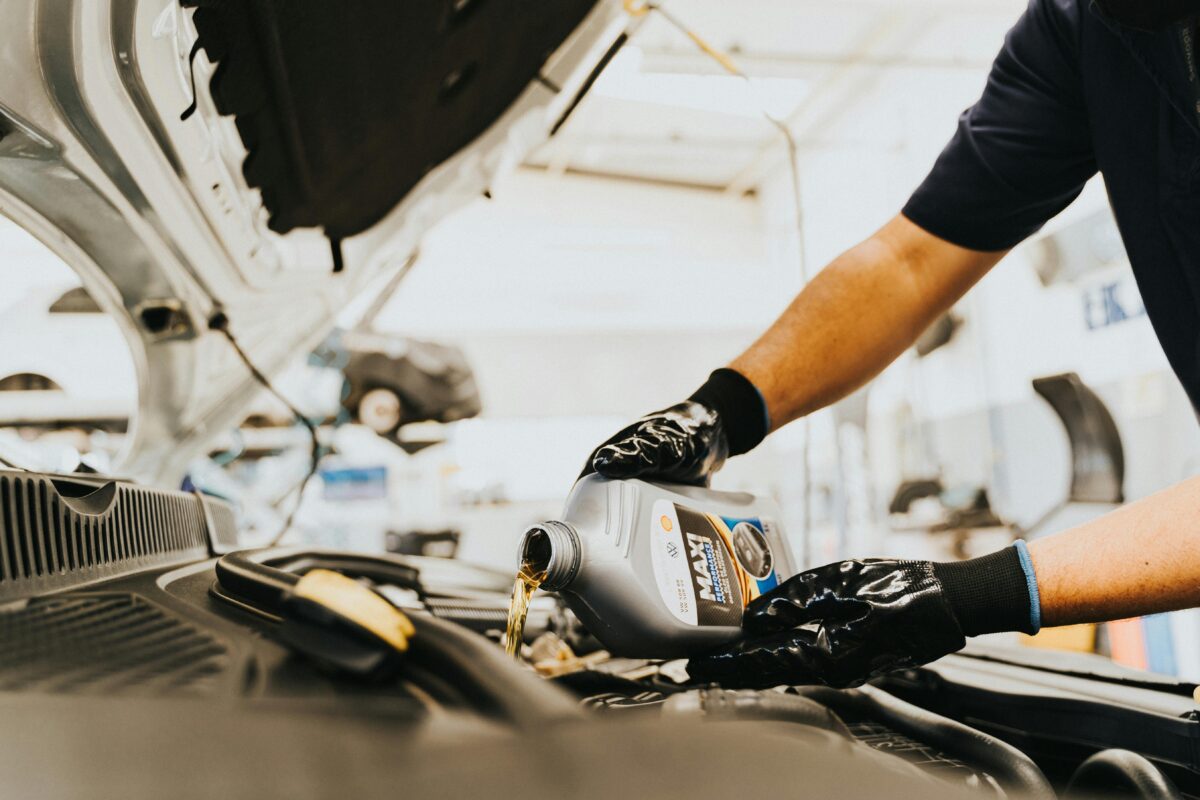
This rule has become almost gospel in car culture, printed on bumper stickers and repeated by well‑meaning drivers everywhere.
Reality: Most modern vehicles do not require oil changes this frequently. Many manufacturers now recommend intervals between 7,500 and 10,000 miles, depending on oil type and driving conditions. Synthetic oils, in particular, last far longer without losing effectiveness.
Tip: Always follow the interval specified in your owner’s manual or the vehicle’s onboard oil life monitor rather than an arbitrary mileage number.
Your Phone Can Make Gas Stations Explode
Warning signs at many gas stations say not to use your phone while fueling, leading many to believe that cell phones can spark combustion.
Reality: There is zero documented case of a cell phone igniting gasoline vapors. The real dangers at the pump involve static electricity and open flames, not your phone’s signal.
Safety rule: Do not smoke or re‑enter your vehicle during refueling, and keep sparks and flames far away. Your phone is fine.
Red Cars Cost More to Insure

Ask almost any driver why red cars supposedly have higher insurance rates, and you will get answers ranging from “they attract more attention” to “they get into more accidents.”
Reality: Insurance companies do not determine rates based on paint color. Factors like driving history, vehicle model, year, engine size, and even ZIP code are what influence premiums, not color.
So: Choose your car color based on preference, not fear of higher rates.
SUVs Are Automatically Safer Than Smaller Cars
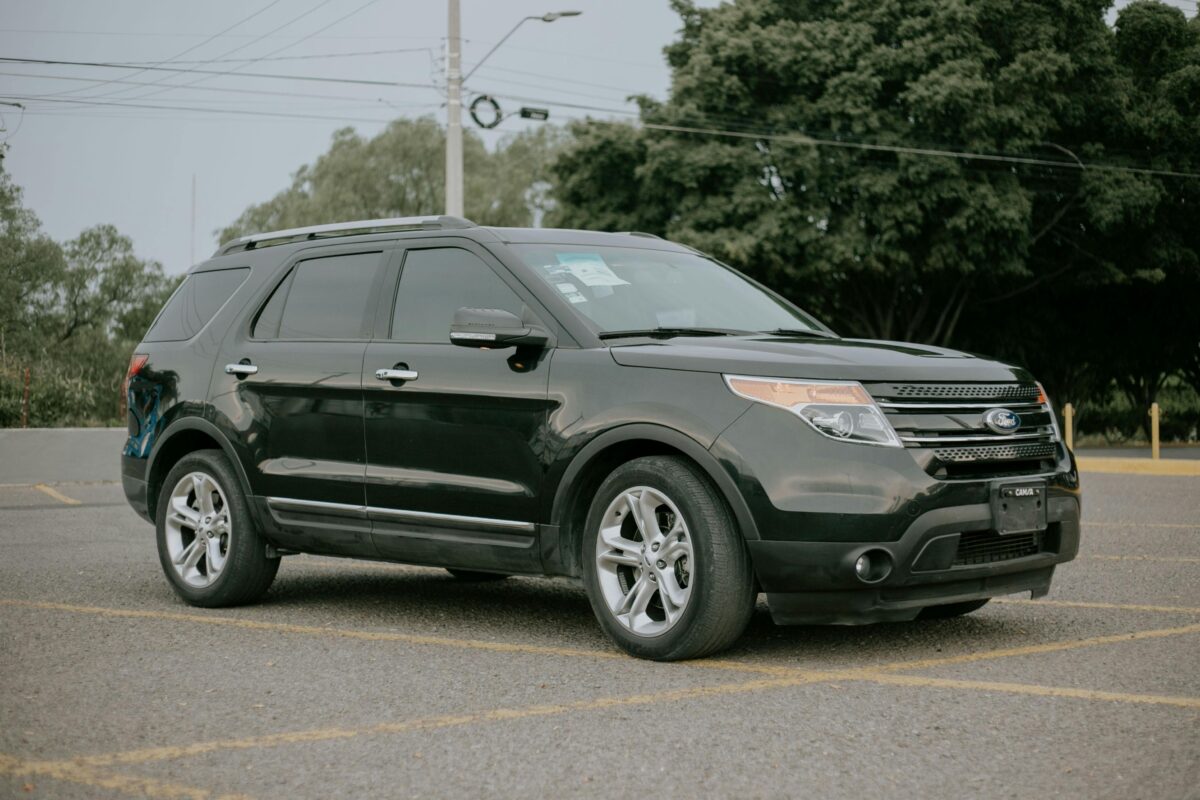
It is a widely held belief that larger vehicles are safer.
Reality: Larger vehicles like SUVs and trucks do have advantages in collisions with smaller cars, due to their greater mass and structural rigidity. But they also have disadvantages, such as higher rollover risk and a greater chance of injuring pedestrians. Size and weight alone do not guarantee overall safety.
Crash-test performance, safety features, driver behavior, and vehicle dynamics all play equally important roles.
Insight: Safety is holistic, not simply a matter of mass.
Morning Fuel Purchases Get You More Gas

Many people believe that buying gas early in the morning, when temperatures are cooler, gets them more fuel for the same price, because gasoline is supposedly denser in the cold.
Reality: Fuel at gas stations is stored underground, where temperatures remain fairly stable regardless of the time of day. Any volume change due to temperature is negligible and not worth worrying about.
Sensible strategy: Compare prices between stations instead of obsessing over the clock.
Only Dealership Service Keeps Your Warranty Valid
Some drivers think that if they don’t take their car back to the dealership for every service, their warranty will be voided.
Reality: In many countries, including the United States, laws prohibit manufacturers from voiding a warranty simply because maintenance was performed elsewhere. You must keep records and use quality parts and fluids, but an independent shop that follows the manufacturer’s maintenance schedule will not automatically void coverage.
Recommendation: Keep detailed receipts and follow scheduled services. Choose competent technicians, whether they work at a dealer or an independent garage.
Cars Explode on Impact Like in Movies

Hollywood has done more to shape car myths than mechanics ever did, especially when it comes to crashes. A slight bump, a gunshot, or a short fall from a bridge often results in a massive explosion on screen.
Reality: Cars almost never explode on impact. Fuel tanks are designed with safety features that resist rupture. Yes, vehicle fires do occur in serious crashes, but they are not as instantaneous or cinematic as the movies suggest.
Approach: Treat vehicles with respect, but don’t panic from fictional portrayals.
Your Car Needs Periodic “Tune‑Ups.”
The idea of a recurring tune‑up has been around since the 1950s, and long remained part of regular maintenance schedules.
Reality: Modern engines and onboard electronics have made traditional tune‑ups obsolete for many vehicles. Spark plugs, filters, and ignition components now last far longer, and many services once categorized as tune‑ups are now included in standard maintenance schedules with extended intervals.
Actionable advice: Use your manual’s maintenance schedule as your guide, not a vague sense of “periodically tuning up.”
Final Thoughts
Most car myths persist because they sound reasonable, are easy to remember, and reinforce our fears or habits. But vehicles have evolved. In many cases, what was true for carbureted engines, simple mechanical systems, and older automotive technology no longer applies.
The smartest drivers are those who base decisions on manufacturer guidance, real scientific data, and good maintenance habits, not on roadside folklore. If you want to save money, extend the life of your vehicle, and make safer decisions behind the wheel, put these myths to rest once and for all.