9 Dark Ways Religion Is Being Used to Divide American Families
Religion can be one of the most powerful forces inside a family. At its best, it gives people comfort, discipline, tradition, moral direction, and a shared language for grief, celebration, forgiveness, and hope. Many American families still gather around prayer, church services, holidays, weddings, funerals, and sacred customs because those moments remind them where they come from.
But religion can also become a weapon when people use it to control, shame, exclude, or silence others. The problem is not faith itself. The problem begins when faith is turned into a loyalty test, a political badge, or a tool for emotional power. In many homes, the dinner table has become a battlefield because relatives are no longer arguing only about beliefs. They are fighting over identity, belonging, authority, and who gets to define what a “good” family member should be.
Faith Is Being Turned Into a Family Loyalty Test

One of the darkest ways religion divides families is by making belief feel like a requirement for love. Some relatives treat shared faith as proof of loyalty, and anyone who questions, doubts, leaves, or changes their beliefs is seen as betraying the family itself.
This creates deep emotional pressure. A young adult who stops attending church may not simply be viewed as independent. They may be labeled rebellious, lost, disrespectful, or spiritually dangerous. Instead of being allowed to grow, they are forced to defend their soul at every family gathering.
The result is painful silence. People hide what they believe because honesty feels too expensive. Families that once felt safe become places where everyone performs the right answers just to avoid conflict.
Politics Is Being Wrapped in Religious Language
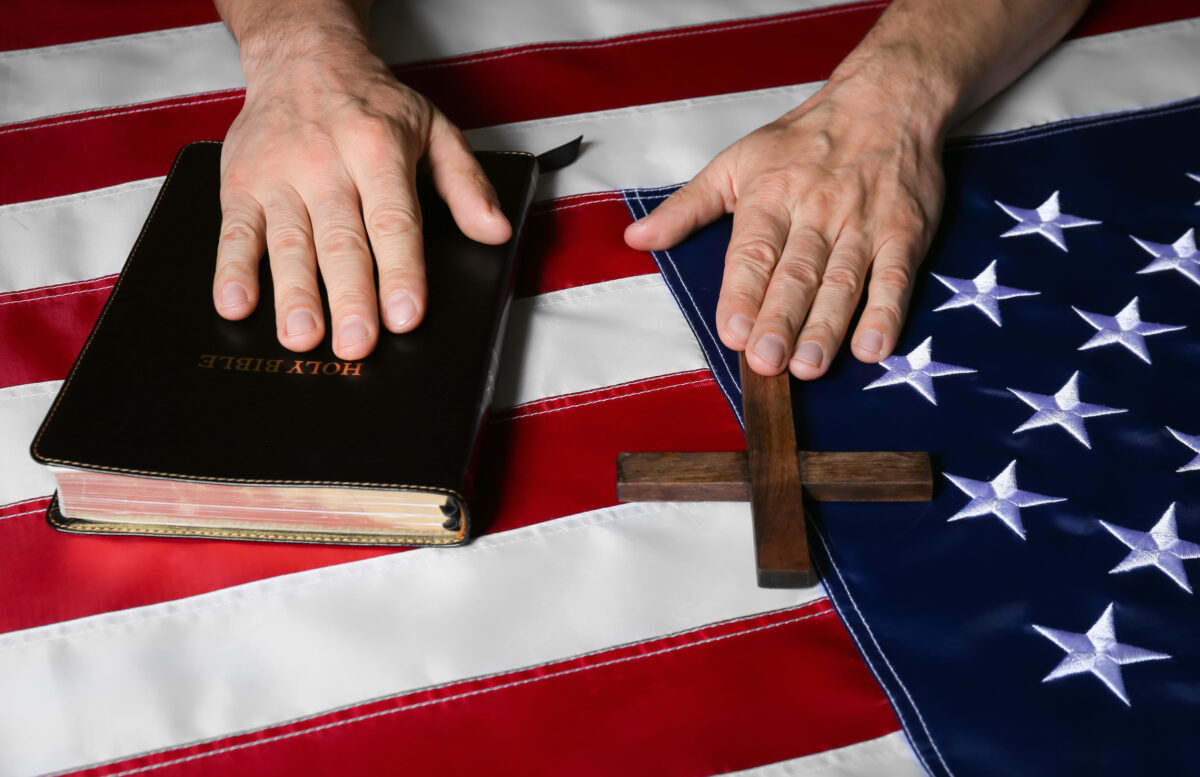
Religion becomes even more divisive when political opinions are presented as sacred truth. In many American families, political disagreement is no longer just about policy, leadership, taxes, education, or social issues. It becomes a question of who is faithful and who is morally corrupt.
This is especially damaging because it leaves no room for ordinary disagreement. A relative who votes differently may be accused of rejecting God, hating the country, supporting evil, or abandoning family values. That kind of language does not invite conversation. It shuts it down.
Once politics is wrapped in religious certainty, compromise starts to look like sin. Families stop asking, “Why do you see it that way?” and start asking, “How could you believe that and still call yourself one of us?” That shift turns relatives into enemies.
Parents Are Using Religion to Control Adult Children

Many parents raise their children inside a faith tradition with sincere love. The problem begins when those children become adults and are still treated as spiritual property. Some parents use religion to control dating choices, career paths, clothing, friendships, parenting decisions, and even where their grown children live.
This control often sounds holy on the surface. A parent may say they are only worried about their child’s salvation, reputation, or future family. But beneath that concern lies a refusal to accept adulthood.
Adult children then face an impossible choice. They can obey to keep peace, or they can become independent and risk being judged as selfish, sinful, or ungrateful. That kind of pressure does not build strong faith. It builds resentment.
Shame Is Being Used Instead of Guidance
Religion can offer moral wisdom, but shame is not the same as guidance. Some families use religious language to make people feel dirty, broken, or permanently flawed. This often happens around divorce, sexuality, addiction, pregnancy, mental health, or past mistakes.
Instead of asking what a family member needs, relatives rush to judge what they did wrong. A divorced daughter may be treated like a failure. A son struggling with addiction may be told he lacks discipline or faith. A teenager asking questions about identity may feel like a family embarrassment.
Shame rarely brings people closer to God or to each other. It usually teaches them to hide. When people cannot bring their pain home, they start building a life far away from the people who were supposed to love them first.
Different Denominations Are Being Treated Like Enemy Camps
America is full of religious diversity, even within Christianity. Families may include Catholics, Baptists, Pentecostals, Methodists, non-denominational Christians, Orthodox believers, Muslims, Jews, Hindus, Buddhists, atheists, agnostics, and people who are still figuring things out. That diversity could create rich conversations. Instead, it often creates suspicion.
Some families treat denominational differences like spiritual betrayal. A person who marries into another tradition may face quiet rejection. A relative who attends a different church may be accused of following false teaching. Someone who leaves organized religion may be treated as if they abandoned morality altogether.
This kind of thinking shrinks the family circle. It tells people that love is available only if they worship in the approved way. Families become less like homes and more like guarded borders.
Religious Holidays Are Becoming Emotional Minefields
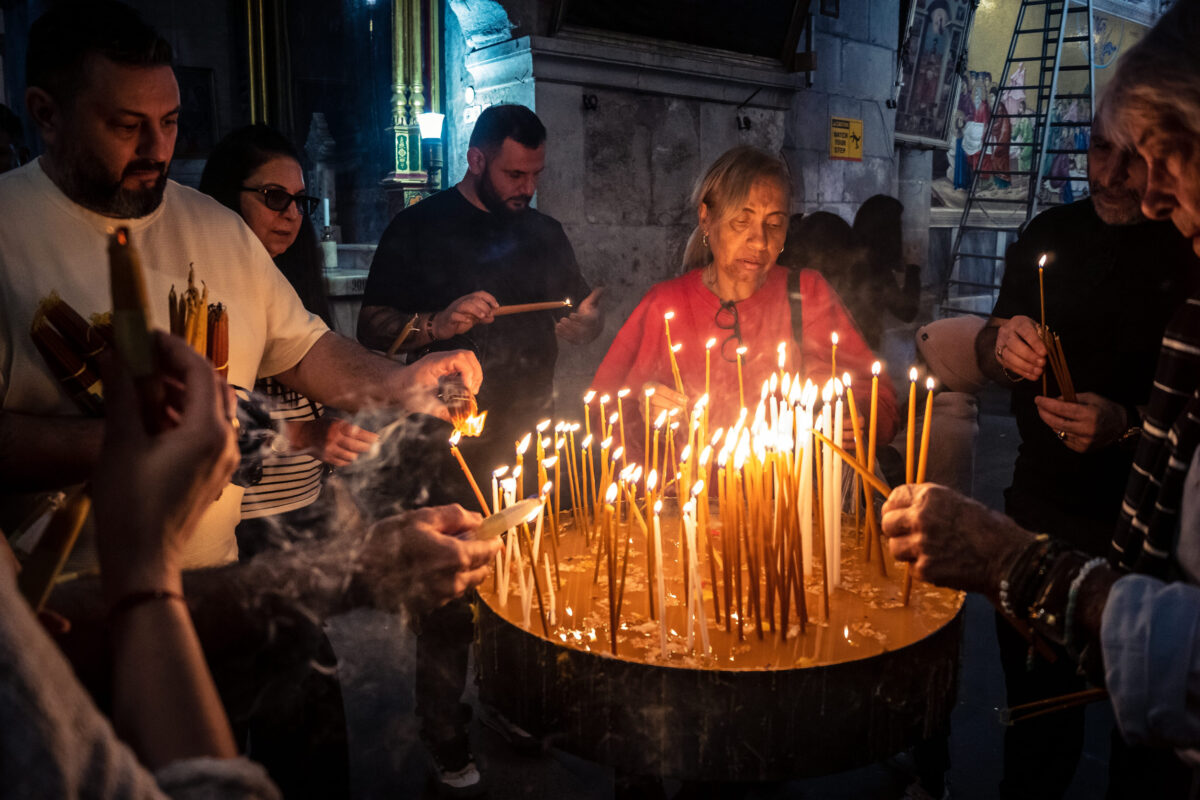
Holidays should bring families together, but religious holidays can become stressful when people use them to measure devotion. Christmas, Easter, Passover, Ramadan, Hanukkah, and other sacred seasons can turn tense when relatives argue over attendance, rituals, food, gifts, prayers, or whose tradition matters most.
A family member who skips a service may be judged. Someone who wants a simpler celebration may be called disrespectful. A mixed-faith couple may feel pulled between two families, both demanding loyalty. Even children can become caught in the middle when grandparents fight over how they should be raised.
Instead of peace, the holiday becomes a performance. People show up physically, but emotionally, they are bracing for criticism. That is how sacred days lose their warmth.
Marriage Is Being Turned Into a Religious Battleground
Marriage often exposes the deepest religious divides in a family. Relatives may object to someone marrying outside the faith, outside the denomination, or outside the family’s cultural expectations. Some families use religion to pressure couples into weddings, gender roles, childbearing timelines, or parenting rules they may not personally accept.
This can damage marriages before they even begin. A couple may spend more energy managing family expectations than building their own home. In-laws may use scripture, tradition, or religious authority to interfere in private decisions.
The worst part is that love gets treated like a threat. Instead of asking whether the couple is kind, committed, respectful, and stable, some relatives focus only on whether the relationship fits their religious checklist.
Forgiveness Is Being Forced Without Accountability
Forgiveness is a beautiful religious value, but it becomes harmful when families use it to silence victims. In some homes, a person who speaks about abuse, betrayal, neglect, or cruelty is pressured to forgive quickly so the family can avoid discomfort.
This often protects the wrong person. The relative who caused harm gets mercy without change. The person who was hurt gets told to move on, pray more, stop being bitter, or stop dividing the family.
Forced forgiveness is not healing. It is an emotional cleanup for people who do not want consequences. Real forgiveness should never be used to erase truth, excuse harm, or demand that someone return to an unsafe relationship.
Doubt Is Being Treated Like Rebellion
Every serious belief system has to make room for questions. Yet in some families, doubt is treated like an attack. A person who asks hard questions about scripture, church leadership, hypocrisy, suffering, science, or moral contradictions may be accused of arrogance or spiritual weakness.
That reaction pushes people away. When families punish questions, they teach younger generations that faith is too fragile to examine. They also make honest conversation nearly impossible.
Many people do not lose faith because they ask questions. They leave because nobody allowed them to ask without being shamed. A family that fears questions may keep outward agreement, but it loses real trust.
Conclusion
Religion divides American families when it stops being a source of meaning and becomes a tool for control. The damage usually begins quietly. A judgment here, a political sermon there, a holiday argument, a marriage objection, a forced apology, a cruel comment dressed up as concern. Over time, those moments build walls between people who still love each other but no longer know how to speak safely.
The answer is not to erase religion from family life. For many people, faith remains deeply important, beautiful, and grounding. The answer is to stop using faith as a weapon against the people closest to us. Families can disagree without dehumanizing each other. Parents can guide without controlling. Relatives can hold strong beliefs without turning every difference into a spiritual emergency.
A healthy family does not require everyone to believe the same way. It requires enough love, humility, and honesty to let people be fully human at the same table. When religion makes room for compassion instead of fear, it can still bring families together. But when it becomes a test of obedience, it will keep tearing them apart.