Boomers Are Saying Nope to These 13 Things as Life After 60 Gets More Intentional
Boomers are saying no to hustle culture, risky trends, clutter, digital overload, forced moves, and performative living as they redefine aging, work, money, health, travel, and independence.
Boomers are not fading quietly into the background. They are editing life with a red pen. The oldest baby boomers began turning 80 in 2026, and by 2030, every baby boomer will be at least 65, meaning this generation is shaping what later life looks like for millions of American households.
What makes this shift interesting is not just age. It is an attitude. After decades of careers, family duties, economic shocks, changing technology, and cultural noise, many boomers are deciding that peace, health, independence, and meaningful connection matter more than keeping up appearances. We are watching a generation say “nope” to anything that drains time, money, energy, or dignity.
Boomers Are Saying No to Soul-Crushing Jobs

kulyashina/123rf Photos
Boomers are no longer treating work as the center of identity. Many still work, but the emotional contract has changed. We see older workers choosing flexible hours, part-time roles, consulting, remote work, or phased retirement rather than grinding through office politics just to prove they can still do it.
The point is not laziness. The point is energy management. After decades of showing up, commuting, supervising, selling, teaching, building, and caregiving, many boomers understand that a paycheck loses its shine when it comes with chronic stress, disrespect, and a lack of control over the day.
This matters because retirement is no longer a clean line for everyone. Gallup reported in May 2026 that nonretirees remain worried about retirement security. That creates a practical boomer mindset. Work is acceptable when it supports stability, purpose, and flexibility. Work becomes a “nope” when it demands full sacrifice with little respect in return.
Boomers Are Saying No to Hustle Culture
Hustle culture sells exhaustion as ambition. Boomers have seen enough of it. They watched careers rewarded loyalty one decade, only to be laid off the next. They saw pensions shrink, health costs climb, and younger workers burn out under the promise that one more side gig would finally create freedom. Many boomers now reject the idea that every hobby must become an income stream, every weekend must be productive, and every quiet evening must be turned into a personal-brand opportunity.
This refusal is especially powerful because boomers helped build the modern work machine. Now, many are stepping back from it. They are choosing paid work that fits life, not life that bends around work. A generation once praised for endurance is now teaching a different lesson. Boundaries are not a weakness. Boundaries are survival with manners.
Boomers Are Saying No to Every New App
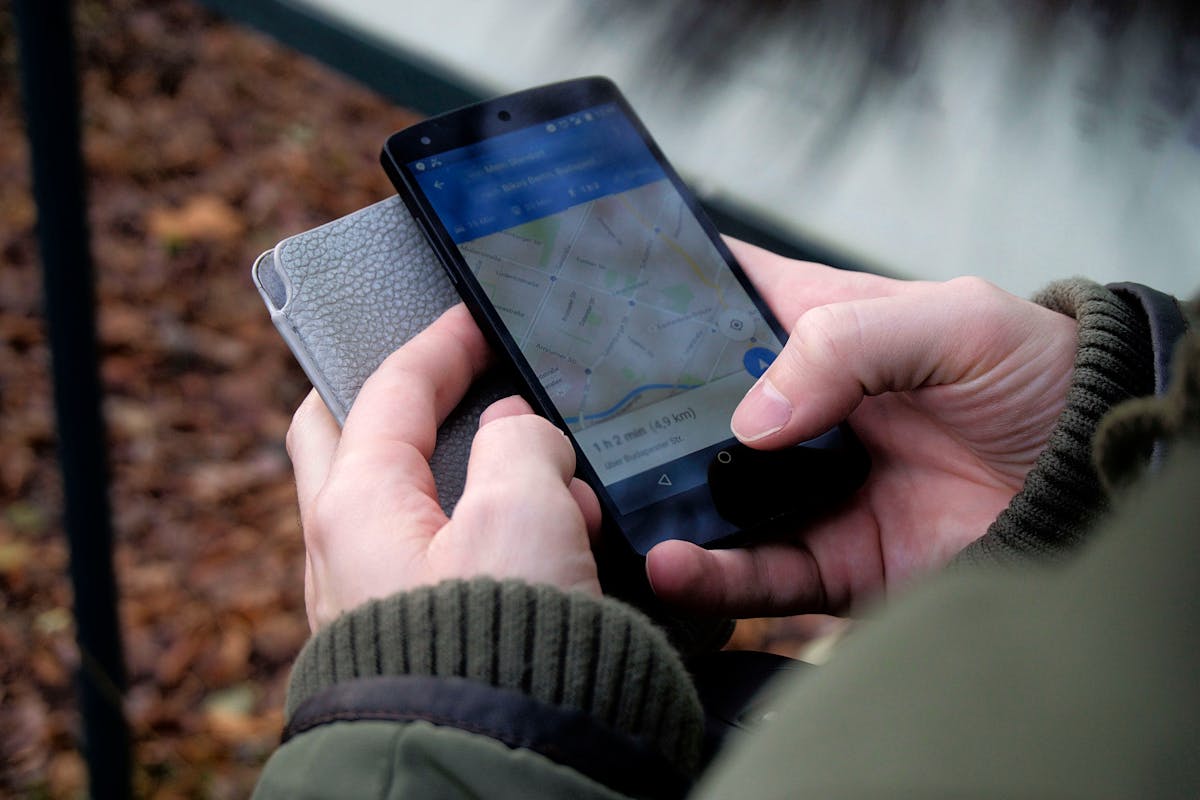
Boomers are not anti-technology. They are anti-pointless technology. AARP’s 2026 tech trends report found that AI use among adults 50 and older rose from 18% in 2024 to 30% in 2025, showing that older adults are adopting tools when they see clear value. That is the key phrase: clear value.
They will use smartphones, banking apps, health portals, video calls, smart TVs, and practical AI tools. They are less impressed by apps that add another password, another subscription, another privacy worry, or another confusing update.
We should read this as selective digital maturity. Boomers have learned that convenience often comes with a cost. A free app may collect data. A smart device may need constant troubleshooting. A social platform may invite scams, arguments, or endless distractions. Their “nope” is not fear of technology. It is a demand that technology serve real life rather than steal attention from it.
Boomers Are Saying No to Living on Social Media
Many boomers use social media, but fewer want to live inside it. Pew’s 2025 social media research found that only 5% of adults 65 and older use TikTok daily, compared with roughly half of adults ages 18 to 29. That gap says something deeper than platform preference. Boomers tend to use social media for family photos, community updates, recipes, local groups, memories, and occasional entertainment. They are less likely to treat constant posting as a required part of existence.
This is one reason many boomers reject online performance culture. They do not want to record every meal, narrate every opinion, or turn private grief into public content. They have lived enough life to know that an unposted vacation still happened, an unphotographed dinner can still be beautiful, and a quiet morning does not need audience approval. In a culture that rewards visibility, boomers are rediscovering the luxury of being unreachable.
Boomers Are Saying No to Loud Nightlife as a Lifestyle
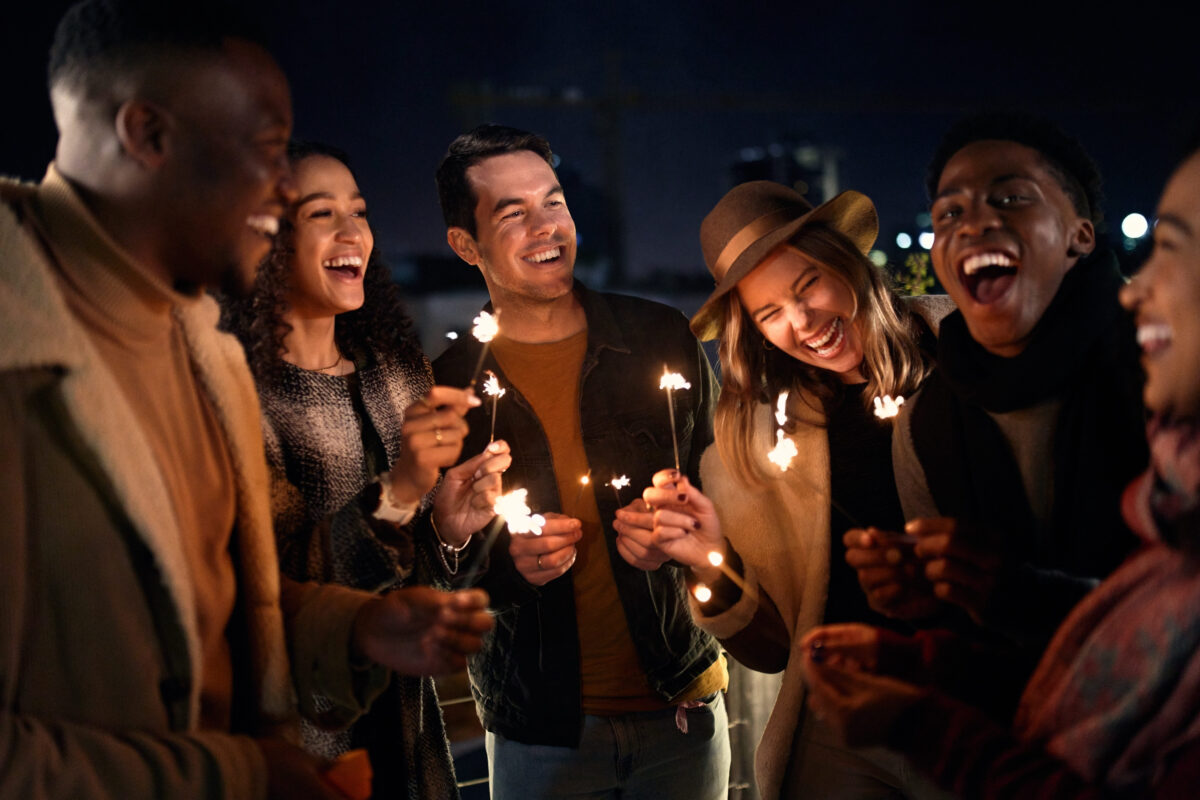
Boomers have not abandoned fun. They have upgraded their definition of it. Bank of America Institute data from 2026 showed that Baby Boomers were the fastest-growing generation of restaurant spenders in 2025, accounting for a strong share of casual dining spending. That suggests they are still going out, still socializing, and still spending. They are just less interested in overcrowded rooms, deafening music, long lines, sticky floors, and nights that punish the next morning.
Their “nope” is really a vote for comfort. Good lighting, good service, decent seating, clean restrooms, early reservations, manageable noise, and quality food matter more than being seen in the loudest room. Boomers know the difference between a good night and an exhausting one. They are choosing a good night.
Boomers Are Saying No to Endless Dating App Drama
Later-life romance is real, but boomers are not eager to inherit every messy habit of modern dating culture. Pew found that only 3% of adults 50 and older had used online dating platforms in the previous year, compared with 15% of adults under 50. Pew also found that 62% of Americans 65 and older said online dating is not safe.
That caution is not surprising. Older adults are often targeted by romance scams, fake profiles, financial manipulation, and emotionally confusing online behavior.
Many boomers still prefer meeting through friends, faith communities, volunteering, neighborhood life, hobbies, travel groups, alumni circles, or local events. They value conversation, consistency, and clear intentions. Ghosting, breadcrumbing, vague situationships, and endless swiping feel childish after a certain point. Boomers are saying no to romantic confusion because they have less patience for people who cannot be honest about what they want.
Boomers Are Saying No to Debt-Fueled Status

Boomers know what financial pressure feels like because they have lived through recessions, inflation, housing cycles, market crashes, caregiving costs, and retirement uncertainty. Gallup’s 2026 reporting showed nonretirees still face major worries about retirement finances, and AARP noted in 2026 that a healthy 65-year-old retiring in 2025 could face an estimated $128,000 to $313,000 in lifetime out-of-pocket medical costs, depending on gender and Medicare coverage choices. Those numbers make status spending look less glamorous.
This is why many boomers are saying no to debt that exists mainly to impress other people. The luxury car, constant home renovations, expensive wedding contributions, adult-child bailouts, or prestige vacations may still be possible for some. But more boomers are asking harder questions. Will this purchase protect our future? Will it reduce stress? Will it create joy that lasts? If the answer is no, it may simply be ‘nope’.
Boomers Are Saying No to Being Everyone’s Backup Plan
Many boomers are still helping adult children, grandchildren, aging spouses, siblings, neighbors, churches, clubs, and community groups. The issue is not love. The issue is unlimited expectation. Some older adults become the emergency babysitter, free driver, unpaid counselor, family banker, holiday host, medical advocate, and emotional shock absorber all at once. That kind of role can quietly drain health and identity.
We are seeing more boomers protect their calendars, money, and energy. They may still say yes often, but the yes comes with limits. They are learning to distinguish between support and rescue. They are also recognizing that always being available can prevent younger relatives from building their own resilience. This refusal can feel uncomfortable at first, especially for people raised to equate sacrifice with goodness. Yet it may be one of the healthiest noes of later life.
Boomers Are Saying No to Shallow Social Obligations

Loneliness is a real issue for older adults, but that does not mean every invitation deserves a yes. AARP’s 2025 loneliness research found that 40% of U.S. adults 45 and older reported being lonely, up from 35% in earlier AARP surveys. That makes meaningful connections more important, not less. Boomers are becoming more selective because shallow obligation can crowd out deeper relationships.
This is why some are stepping back from draining committees, awkward reunions, gossip-heavy gatherings, and social rituals that feel more performative than nourishing. They want people who call back, listen well, show up even when ill, share laughter without competition, and respect changing energy levels. Later life can shrink the social circle, but it can also sharpen it. Boomers are saying no to noise so they can say yes to real connection.
Boomers Are Saying No to Pretending Aging Is Not Happening
Boomers are not interested in being erased, but many are also tired of pretending they are 35. They know the body changes. Sleep changes. Balance changes. Skin changes. Friend groups change. Parents pass away. Children become adults. Careers end or soften. The honest boomer response is not denial. It is an adaptation.
This is an important cultural shift. Aging does not have to mean giving up style, ambition, intimacy, travel, humor, or learning. It does mean respecting reality. The boomer “nope” here is aimed at shame. They are rejecting the idea that every wrinkle must be hidden, every limitation must be mocked, and every conversation about aging must sound like defeat. They are choosing realistic joy over frantic youth chasing.
Boomers Are Saying No to Being Treated as Technologically Clueless

The stereotype that boomers cannot handle technology is increasingly outdated. AARP’s technology research shows adults 50 and older are using more digital tools, and 99% of older adults now own at least one piece of technology, according to reporting on AARP’s 2026 tech trends. Many boomers text, stream, video chat, shop online, manage banking apps, use smart TVs, track health data, and experiment with AI.
What they reject is bad design. Tiny fonts, confusing menus, hidden cancellation buttons, aggressive pop-ups, weak customer support, and security language that sounds like a riddle are not signs of user failure. They are signs of poor product design. Boomers are saying no to being blamed for technology that was never built with them in mind.
Boomers Are Saying No to Health Denial
Older generations were often taught to “tough it out.” Many boomers still carry that instinct, but more are moving away from it. They are scheduling screenings, asking more difficult medication questions, tracking steps, using wearable devices, improving their diet, seeking physical therapy, and taking mental health more seriously. This is not vanity. It is maintenance.
The reason is practical. A small health issue ignored for too long can become a life-changing limitation. A minor balance issue can lead to a fall. Poor sleep can worsen mood, memory, blood pressure, and daily patience. Untreated hearing loss can make social life harder. Boomers are saying no to the old habit of waiting until something breaks completely before asking for help.
Boomers Are Saying No to Being Invisible in Culture
Boomers are tired of being reduced to jokes. They are often portrayed as out of touch, greedy, slow, stubborn, or responsible for every modern problem. Real life is more complicated. Many boomers are still working, caregiving, volunteering, paying bills, supporting families, dating, traveling, learning, and adapting to rapid change. Some are financially secure. Others are not. Some own homes. Others rent, struggle, or support adult children.
As the U.S. grows older, ignoring boomers becomes bad business and bad culture. The Census Bureau has reported that the population age 65 and older grew rapidly between 2010 and 2020, reaching 55.8 million, and the older population continues to shape housing, health care, technology, retail, travel, and family life. Boomers are saying no to invisibility because they remain one of the most influential consumer, voter, family, and community groups in America.
Conclusion
Boomers are not saying no because they have stopped caring. They are saying no because they finally know what deserves care. The soul-crushing job, the noisy app, the forced move, the fake friendship, the risky thrill, the cluttered home, the debt-fueled purchase, and the shallow obligation all face the same quiet verdict.
Life after 60 is not becoming smaller. It is becoming more edited. Boomers are proving that refusal can be a form of wisdom, and that the best years are not always the busiest, loudest, or most impressive. Sometimes the best years begin when we finally stop saying yes to everything that never loved us back.