9 Backhanded Compliments Curvy Women Are Tired of Hearing
Curvy women have long been subjected to commentary that walks the fine line between praise and insult. These remarks are often disguised as compliments but carry subtle judgments, making everyday interactions exhausting. Every conversation can feel like a minefield, where a well-meaning statement might actually undercut confidence or highlight insecurities. Understanding the impact of these backhanded compliments sheds light on why many curvy women are ready to stop smiling through them.
The problem is not just about words but about perception and respect. What seems like harmless chatter to one person can communicate underlying bias or societal expectations about beauty, size, and self-worth. By recognizing these statements, we can better appreciate the frustration and the need for mindful communication. Below, we examine nine backhanded compliments that curvy women hear far too often and unpack why they sting.
You Look Good For Your Size
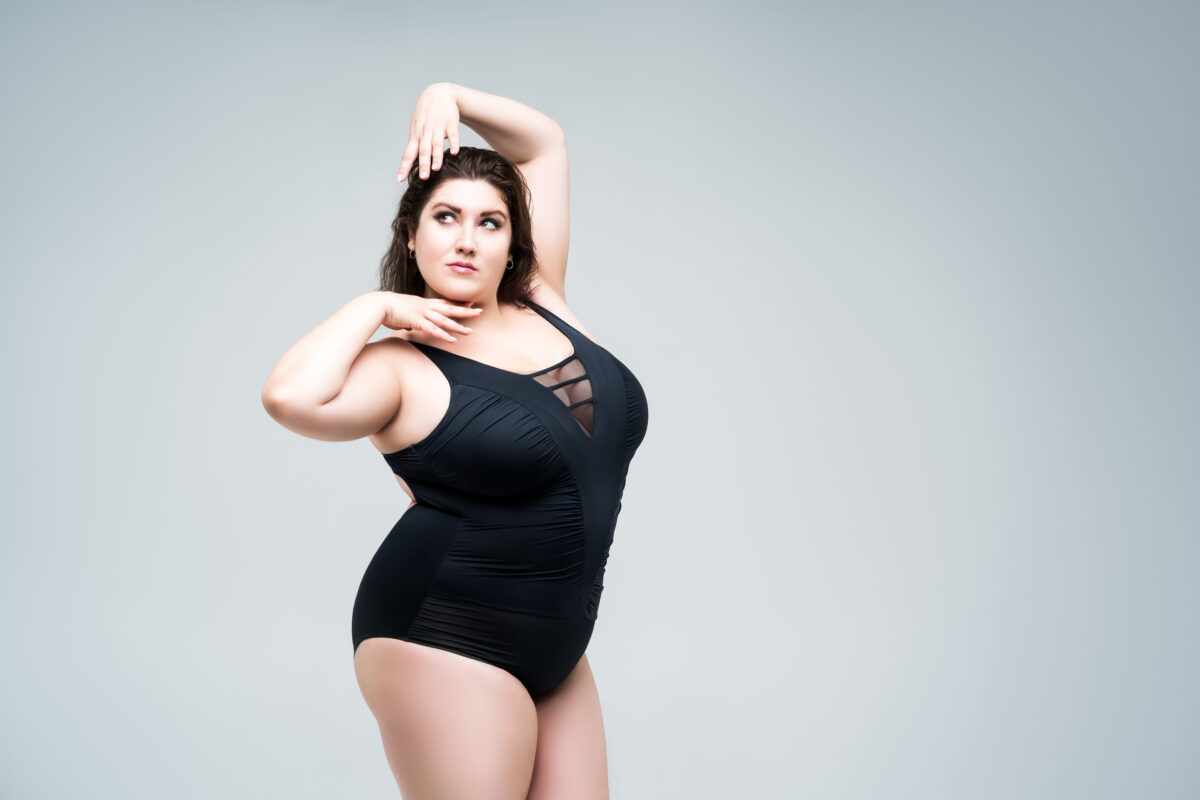
At first glance, this might seem like a flattering remark, but it subtly implies that looking good is surprising for a curvy body. It carries an unspoken message that beauty and size are mutually exclusive. Rather than celebrating the individual’s appearance, it focuses on size as a limiting factor, which can feel both condescending and exhausting.
This phrase reduces confidence by making women feel they need special acknowledgment for meeting a baseline standard. Instead of simply complimenting appearance without qualifiers, people can express admiration without framing it in terms of size. The underlying tone communicates that society expects less, making the compliment feel like a judgment in disguise.
Wow, You’re Brave to Wear That
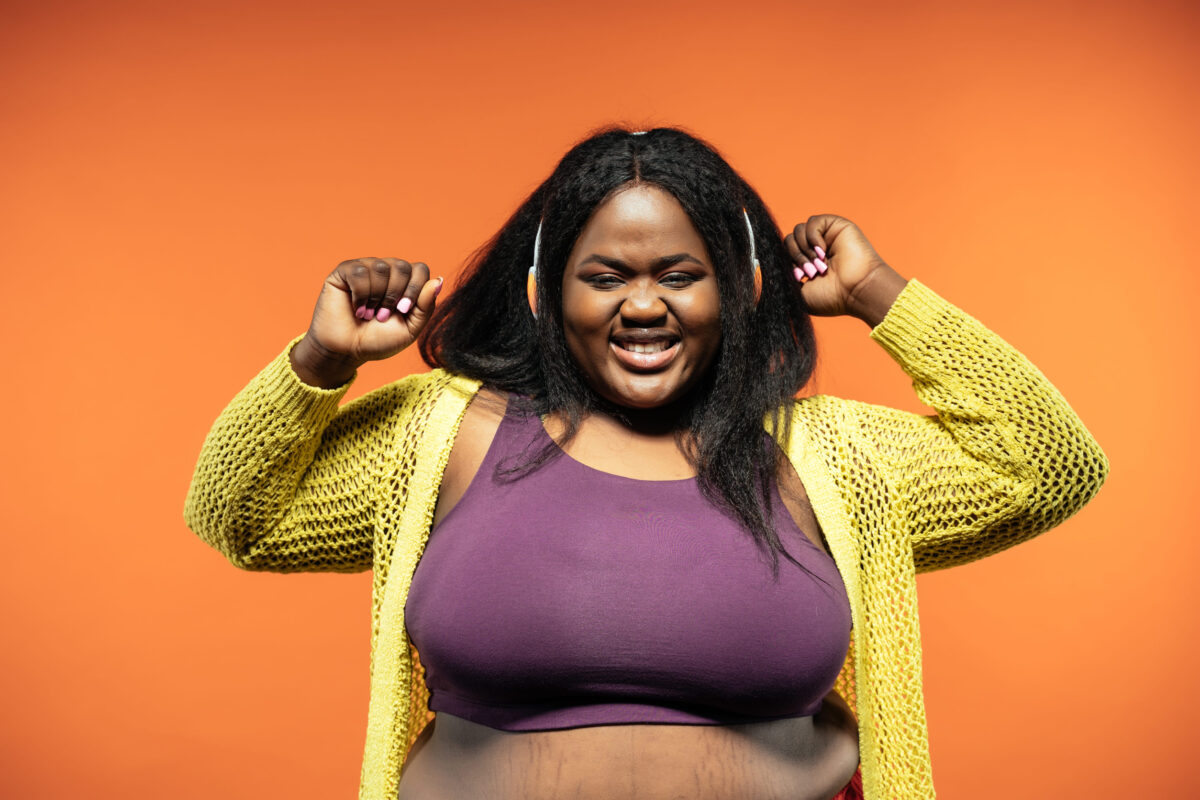
Statements like this suggest that curvy women must summon courage simply to dress in everyday clothing. The comment implies that style choices are risky or a defiance of norms, rather than an expression of personal taste. It can inadvertently shame someone for embracing fashion rather than celebrating it.
This backhanded compliment often comes from people who assume that bodies outside a certain size standard cannot pull off certain looks. It frames clothing as an obstacle and reinforces body-centric anxiety. Instead of admiration, the comment leaves a lingering sense of scrutiny and pressure.
You Don’t Look Fat Here
This remark positions fatness as an assumed default, making the absence of it worth commenting on. The phrase creates a comparative judgment, signaling that any deviation from a slimmer body is undesirable. While intended to reassure, it emphasizes appearance as a primary measure of worth.
The psychological effect is subtle but powerful. Women internalize the need to continually prove their attractiveness relative to others’ sizes. What could be a simple acknowledgment of style or beauty becomes a reminder of societal bias and the limitations it imposes on self-expression.
Your Curves Are Cute

Calling curves “cute” can diminish the body’s impact by infantilizing it. “Cute” is often used to describe things that are small, harmless, or non-threatening, rather than strong or attractive, in an adult context. It can unintentionally downplay sexuality or sophistication, even when admiration is the goal.
For curvy women, this can feel frustrating because it frames their bodies as playful or novelty-like rather than fully human and multidimensional. Compliments that focus on style, poise, or presence, without reducing the body to a mere descriptor of innocence or charm, are more meaningful.
I Wish I Had Your Confidence
While this sounds supportive, it implies that a curvy woman’s confidence is unusual or surprising. The statement can suggest that her body type is naturally less confident or less socially accepted. Instead of recognizing personality, intelligence, or achievement, the focus is fixed on body-related courage.
The backhanded nature lies in the assumption that being curvy is inherently a challenge to self-esteem. It subtly reinforces societal bias, implying that confidence in a larger body is remarkable rather than normal. Recognition of qualities beyond appearance would feel genuinely flattering.
You’re Surprisingly Skinny in Pictures
This remark implies that real-life appearance is expected to be less flattering than captured images. It emphasizes managing perception rather than celebrating the person’s natural beauty. The compliment positions photography as a tool to reconcile expectations with reality.
It can be exhausting for curvy women to feel their bodies must always meet external standards. Rather than validation, the statement signals suspicion and reinforces scrutiny. A more thoughtful approach would appreciate personal style or photographic skill rather than implying surprise at appearance.
Your Body Is Not as Big as I Thought
This is a direct reflection of implicit bias about body size. Even when intended to reassure, it assumes that larger bodies are inherently problematic or undesirable. The phrase centers on judgment and comparison rather than admiration.
Hearing comments framed as relief about a woman’s body reinforces societal norms that dictate acceptable shapes. It can diminish the joy of self-expression and perpetuate internalized pressure to conform. Compliments that focus on energy, style, or personality are far more empowering.
You Carry It Well
Though meant to praise, this phrase implies that carrying weight gracefully is unusual or noteworthy. The compliment hinges on the assumption that curves should be managed or compensated for rather than appreciated naturally. It treats body composition as a performance metric rather than a facet of individuality.
For curvy women, hearing this repeatedly reinforces the idea that bodies are subject to constant evaluation. It emphasizes endurance of social expectations instead of celebrating inherent beauty. Words that affirm presence, confidence, or charm without qualifying the body feel more authentic and respectful.
You’re So Much Fun for a Curvy Girl
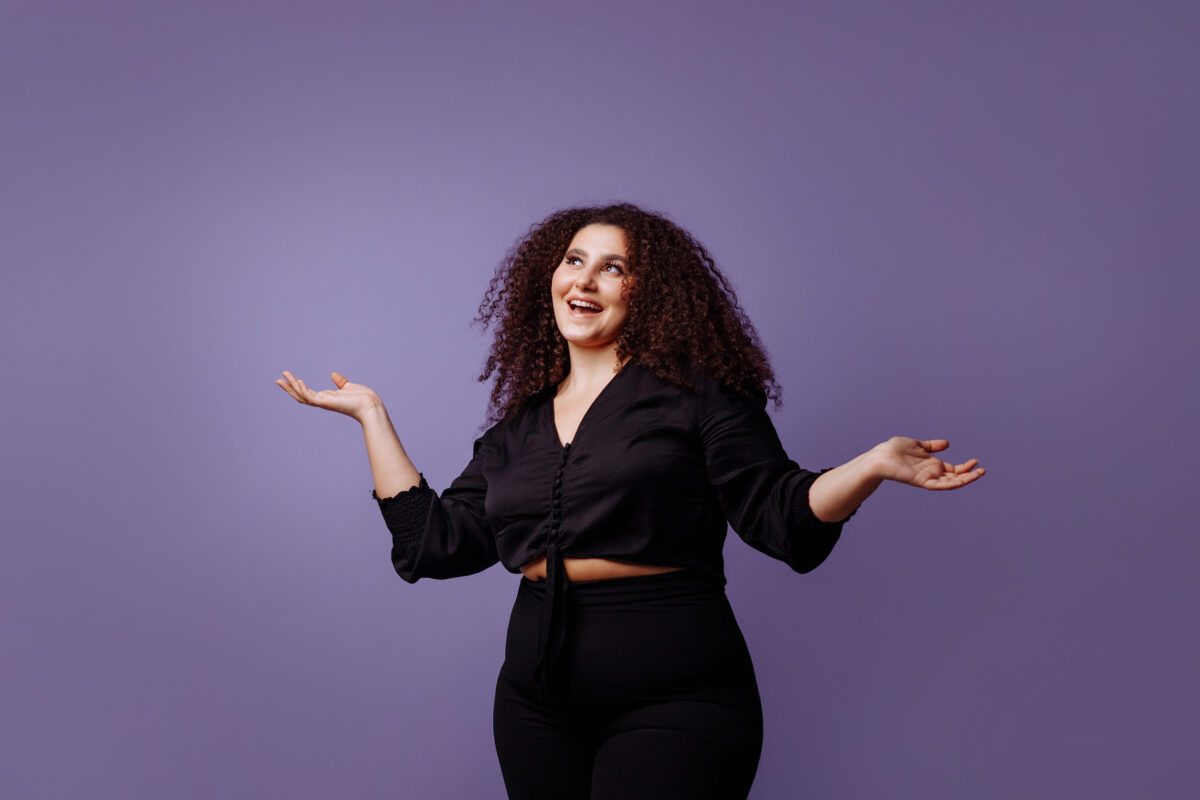
This remark links personality traits to body type, implying that positive qualities are unexpected in a curvy woman. It carries a subtle bias that reinforces stereotypes about thinness being tied to energy, sociability, or attractiveness. While intended to complement, it inadvertently reduces a person to their body, contrasting it with their character.
The impact is that curvy women feel constantly evaluated through dual lenses of appearance and personality. Compliments that celebrate the individual without relating traits to size are far more liberating and affirming.
Conclusion
Backhanded compliments reveal much about societal assumptions and biases. Curvy women have to navigate conversations where praise often comes with an unspoken judgment. Remarks framed around surprise, relief, or comparison to norms subtly communicate that their bodies are exceptions, not simply normal or beautiful. Eliminating these remarks and focusing on genuine admiration,style, energy, creativity, and presence,respects individuality without reducing identity to size.
True compliments empower and affirm without qualifiers. They celebrate personality, achievements, or style without centering the conversation on body assumptions. The effort to communicate thoughtfully strengthens connections, encourages confidence, and fosters genuine respect. For everyone interacting with curvy women, the lesson is clear: compliments should lift, not weigh down, the conversation.
Do we continue to allow size-based judgments to shape how we compliment, or do we redefine praise in ways that respect individuality fully?