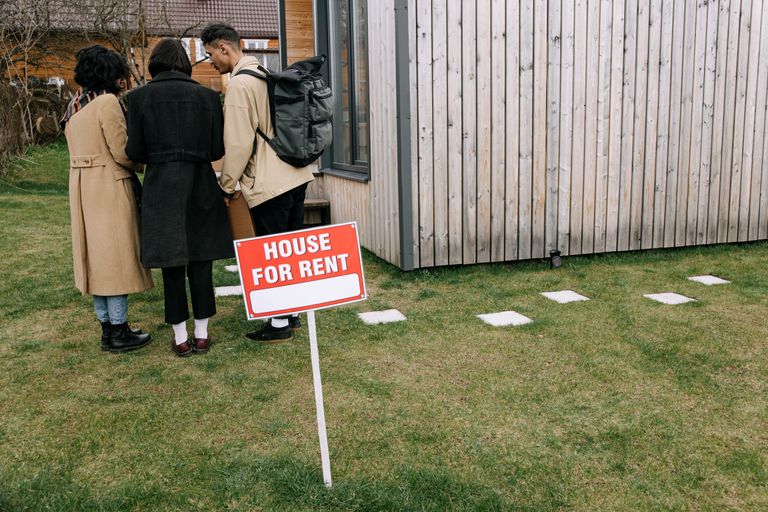
10 Alarming Reasons Millennial Women Refuse to Live With Men
Modern millennial women are rethinking the traditional path of moving in with a partner. What once seemed like a natural step toward love and marriage now comes with hidden costs: financial stress, emotional exhaustion, lost independence, and relationship imbalances. Older generations understand these pitfalls firsthand and quietly cheer younger women for valuing their peace, space, and self-respect over convenience or societal expectations.
Living together isn’t inherently bad, but rushing it can turn romance into responsibility. Many women see early cohabitation as a trap where they shoulder most of the work while intimacy and respect quietly fade. The points below outline why millennial women are saying no, protecting themselves, and why older women nod in approval, knowing the dangers of moving too fast.
They Refuse to Become Backup Caretakers

Millennial women are refusing to take on unpaid domestic manager roles. Moving in too soon often turns a partner into someone who expects meals, laundry, and reminders while contributing minimally. Older women applaud this foresight, recognizing how love can morph into obligation, draining energy and agency. Protecting emotional and practical boundaries prevents women from being default caregivers rather than equal partners, ensuring relationships remain fair and respectful.
They Guard Their Financial Independence
Sharing a home can quickly entangle finances, leaving women vulnerable to overspending, debt, or imbalanced contributions. Millennials are protecting their savings, credit, and budgets, understanding that romance should not come at the cost of financial security. Older women cheer this caution because they’ve witnessed relationships where money became a hidden source of tension, control, and resentment, teaching the next generation the value of keeping funds separate until true stability exists.
They Reject Invisible Household Labor
Many women know that “helping around the house” often means silently managing everything. Millennials avoid being the unseen engine of domestic life, preventing burnout and frustration. Older women applaud this awareness, having experienced exhaustion disguised as love. Setting expectations for fair division of chores and emotional labor ensures that sharing a home doesn’t mean disproportionate responsibility, preserving balance and mutual respect in the relationship.
They Protect Their Personal Identity

Moving in can quietly erode hobbies, friendships, and routines. Millennials are refusing to surrender their sense of self for convenience or romance. Older women nod knowingly, recalling how easy it is to vanish inside a shared life. Protecting individuality while maintaining a relationship fosters healthier dynamics, ensuring that intimacy doesn’t come at the cost of personal growth, freedom, or mental well-being.
They Keep Romance Alive Through Effort
Cohabitation can make affection predictable, casual, or lazy. Millennials recognize that effort maintains desire and excitement. By keeping some distance, they ensure intentional dates, meaningful conversations, and preserved anticipation. Older women understand this strategy, having seen relationships decay when proximity replaces action. Purposeful engagement keeps love vibrant, preventing the routine of living together from dulling emotional connection over time.
They Preserve Quiet and Peace
After demanding workdays, many women need a space to decompress without obligations or emotional dumping. Cohabiting too early can erode this sanctuary. Millennials refuse to surrender tranquility to constant requests or conflict over minor details. Older women support this approach, having endured homes where personal space was secondary to convenience. Protecting peace ensures that women recharge, maintain emotional stability, and engage fully when they choose to connect with a partner.
They Say No to One-Sided Sacrifice

Tradition often pressures women to sacrifice comfort, space, and priorities for the sake of love. Millennials reject imbalanced expectations that demand self-erasure. Older women applaud this stance, knowing that giving too much too soon breeds resentment and diminishes self-worth. Enforcing fairness and mutual compromise safeguards women from relationships in which devotion is one-sided, encouraging love that respects both partners’ needs equally.
They Spot Charm Hiding Laziness
A partner can be charismatic on dates yet ineffective at handling responsibilities at home. Millennials are evaluating habits before moving in, ensuring competence matches charm. Older women nod in agreement, aware of situations in which allure masks chronic neglect. Observing everyday behaviors provides insight into true compatibility, allowing women to make informed choices that prevent domestic frustration and emotional imbalance.
They Avoid Constant Home Conflicts
Sharing a home multiplies minor disagreements into constant friction over routines, noise, or household norms. Millennials prefer to maintain harmony by living separately until they understand the patterns. Older women support this strategy, recalling years spent negotiating disputes that undermined relationships. By establishing boundaries and assessing compatibility first, women protect their comfort, mental energy, and emotional well-being before fully merging lives.
They Demand Commitment Before Convenience

Many men enjoy the perks of cohabitation without full commitment. Millennials refuse to equate shared space with relational seriousness. Older women applaud this discernment, knowing the pain of investing in convenience while commitment lags behind. Prioritizing formal commitment ensures that cohabitation is intentional, respectful, and equitable, preventing a scenario where proximity is valued over genuine partnership and long-term trust.
Conclusion
Millennial women are redefining cohabitation by prioritizing autonomy, fairness, and emotional health. Their refusal to move in too soon reflects wisdom, not cynicism, and serves as a model for balancing love with personal boundaries. Older women recognize this shift, understanding that preserving peace, money, and identity is essential for sustaining healthy, lasting relationships. Modern romance thrives when women protect themselves first, making love a choice rather than a sacrifice.