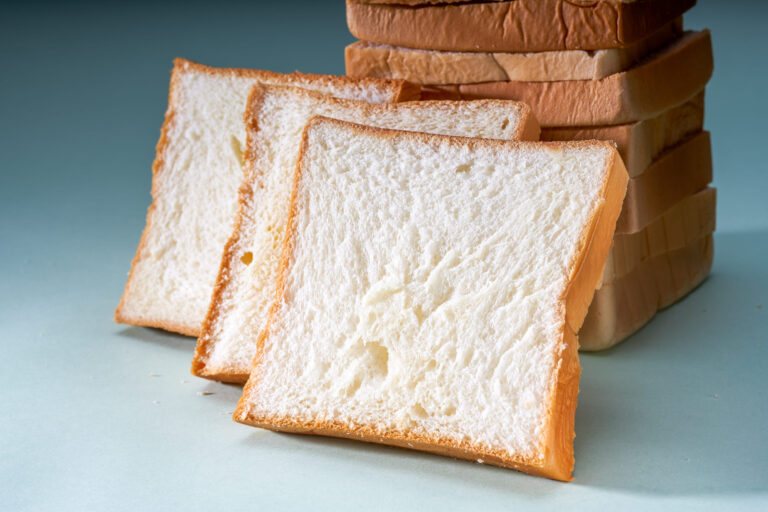
10 Healthy Foods That May Quietly Hurt Your Sex Drive
Some foods wear a health halo so bright that nobody questions them. They appear in smoothies, gym bags, breakfast bowls, and “clean eating” meal plans like little trophies of wellness. But sexual desire depends on more than virtue; it thrives on hormones, blood flow, energy, sleep, and overall body balance. Even foods praised for health can quietly undermine libido when overused, restricted, or paired with habits that drain energy.
Fat-Free Yogurt

Fat-free yogurt is high in protein and low in calories, a classic “safe” choice. The problem comes when fat-free eating becomes a lifestyle. Some studies suggest that extremely low-fat diets may lower testosterone, which plays a role in desire for many people. Skipping healthy fats can leave the body running cold, and a once-innocent breakfast habit could quietly affect libido.
Low-Calorie Meal Replacement Shakes
Meal replacement shakes are convenient and structured, often packed with vitamins. But when calorie intake stays low over time, the body may slow hormone production and reduce energy, making sexual desire less of a priority. Relying too heavily on shakes instead of balanced meals can leave libido quietly sidelined.
Spearmint Tea
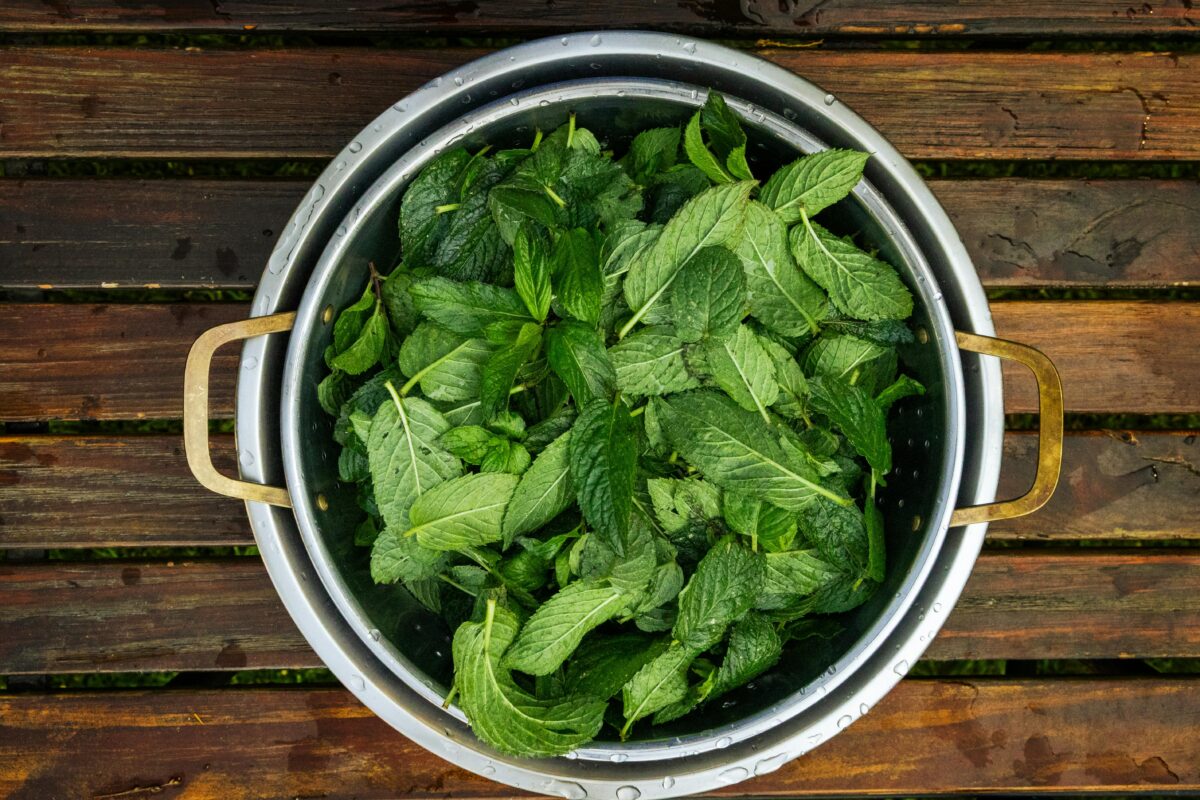
Spearmint tea is soothing and caffeine-free, often promoted for digestion or hormone balance. Yet, in some cases, it can reduce testosterone levels, which may subtly affect sexual desire. Drinking it excessively may be counterproductive if low libido is already a concern.
Licorice Root Tea
Licorice root is a centuries-old herbal staple for digestion and comfort. Its compounds can lower testosterone, particularly in men, and overconsumption can subtly influence energy and sexual drive. While rare, it’s worth monitoring if it’s a daily habit.
Grapefruit Juice

Grapefruit juice is tart, vitamin-packed, and a classic breakfast staple. While generally healthy, it can interfere with certain medications that indirectly affect libido. Overreliance or pairing it with medications may quietly create unexpected effects on sexual desire.
Soy-Heavy “Clean” Meals
Soy-based foods like tofu, edamame, and soy milk are rich in plant protein and versatile. Though moderate consumption is safe, meals dominated by soy at the expense of fats, variety, or sufficient calories may limit the body’s hormone production and energy levels, which can reduce libido over time.
Flaxseed Overload
Flaxseed offers fiber, plant-based omega-3 fatty acids, and lignans, making it a popular “hormone-friendly” addition. Overconsumption, especially in restrictive diets, may increase fiber intake too much and reduce overall energy intake. When the body feels undernourished, desire often takes a back seat.
High-Mercury Fish
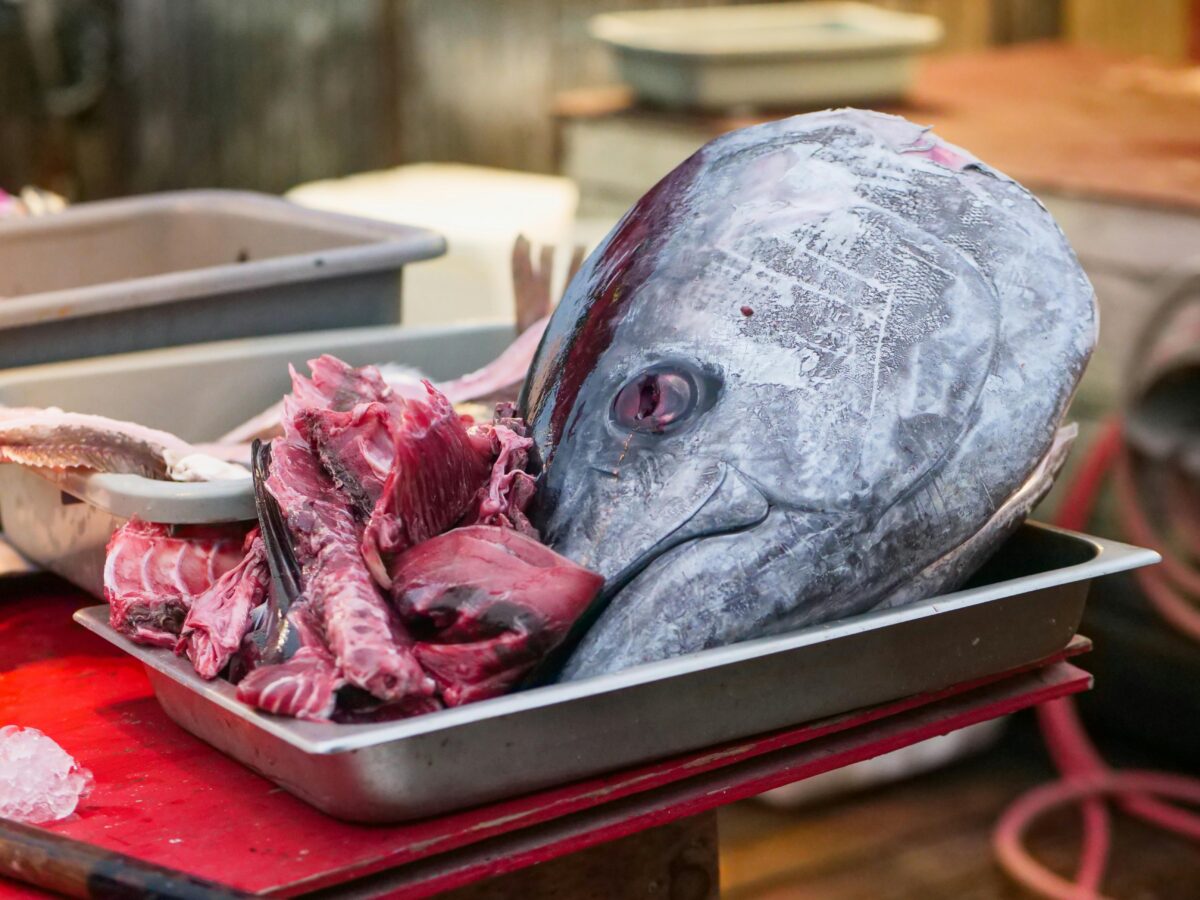
Fish supports heart health and blood flow, which usually benefits sexual function. However, high-mercury varieties like king mackerel, swordfish, and marlin can pose risks if eaten frequently, subtly affecting energy levels and overall health, which can, in turn, impact sexual desire. Choosing low-mercury options is a safer strategy for maintaining libido.
Protein Bars
Protein bars are convenient and appear disciplined, but many contain processed ingredients, sweeteners, and low-quality fats. Regular consumption can cause bloating, sluggishness, or digestive discomfort, which can quietly sap sexual energy and mood.
Red Wine

Red wine is often celebrated as a “healthy” indulgence, but regular or excessive consumption can dull libido, reduce arousal, and affect performance. A small amount may relax, but overdoing it can quietly undermine sexual desire and vitality.
Conclusion
No single serving of yogurt, spearmint tea, or flaxseed is inherently harmful. The problem arises with repetition, restriction, and assuming that every “healthy” label automatically supports sexual health. Libido thrives on balance: sufficient calories, healthy fats, steady blood flow, quality sleep, and low stress. The best diet for desire is rarely the strictest; it is the one that keeps you nourished, energized, and fully engaged with your body.