7 Fashion Trends That Were Basically Death Traps
Most Americans have suffered for fashion at least once. Maybe it was the stiff new shoes that ruined a wedding reception, the jeans that felt like a wrestling match, or the “cute” outfit that made breathing feel like a negotiation. But history took fashion to a much darker place.
Some outdated trends did not just pinch, squeeze, or annoy people. They poisoned workers, damaged their bodies, restricted breathing, made walking dangerous, and turned ordinary clothing into fire hazards. These were not rare costume-party mistakes either. Many were admired, expensive, and treated as signs of beauty, class, or modern taste.
Tight Corsets Made Breathing Feel Optional

Corsets were not always deadly, and many women wore them as ordinary, structured clothing. The danger came when tight-lacing pushed the body into an extreme shape. A smaller waist became the goal, even when the body had to fight for every inch. Beauty became pressure in the most literal sense.
Extreme corseting could restrict breathing, cause faintness, compress the body, weaken muscles, and change posture over time. The story still feels familiar because body-shaping trends never fully disappeared. Today’s waist trainers and “snatched” silhouettes echo the same old question. How much discomfort is too much for the perfect shape?
Arsenic Green Dresses Looked Pretty and Poisonous
Victorian green was the color people noticed before they noticed the person wearing it. It was bright, rich, and dramatic, showing up in dresses, gloves, artificial flowers, wallpaper, and accessories. The trouble was hiding in the pigment.
Some brilliant green shades were made with arsenic, which meant a fashionable look could carry a toxic secret. The danger hit workers especially hard. A young artificial flower maker named Matilda Scheurer died in 1861 after working with arsenic-laced green powder, turning one of the era’s prettiest colors into a public warning.
Imagine buying the trendiest shade of the season, only to learn it could poison the hands that made it. Fashion has always loved drama, but this was beauty with a body count.
Mercury Hats Made Workers Sick
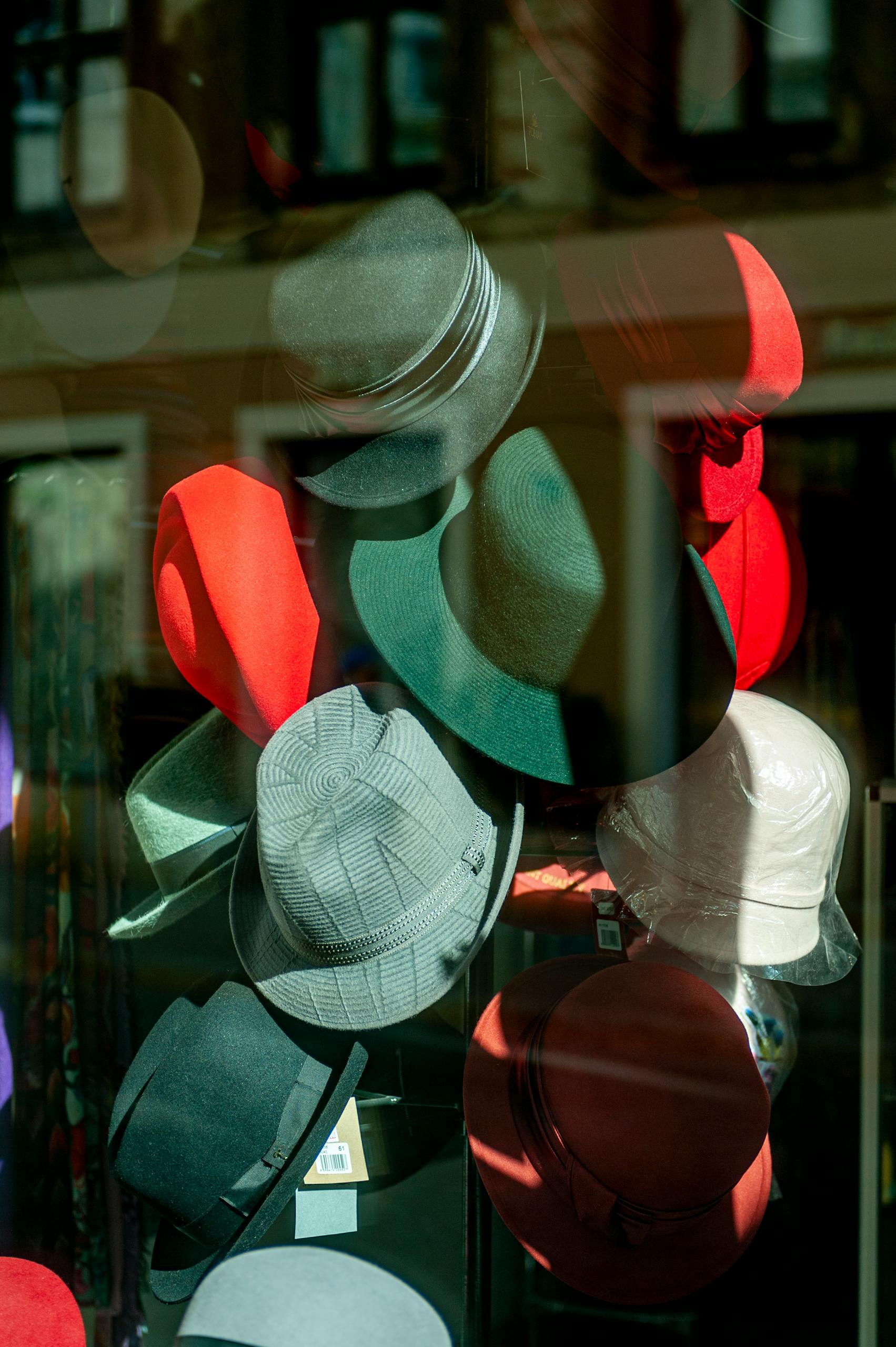
A sharp hat once told the world a man had taste, money, and polish. But behind many stylish felt hats was a dangerous process that exposed workers to mercury compounds. That is where the phrase “mad as a hatter” gets its darker meaning.
The hat looked respectable on the street, but making it could slowly damage the people behind the scenes. Mercury exposure could affect the nervous system, causing tremors, mood changes, weakness, and other serious health problems.
The tragedy is that the customer got elegance, while the worker often got ill. It is the kind of fashion story that feels painfully modern in spirit. One person’s status symbol became another person’s workplace hazard.
Lead Makeup Turned Pale Skin Into a Health Risk
Before filters, ring lights, and foundation shade ranges, pale skin was treated as a luxury signal. It suggested that someone lived far from outdoor labor and had the status to remain indoors. To achieve that look, some elites used white lead makeup, including Venetian ceruse.
It created a smooth, pale finish that looked elegant in portraits but came with a serious risk. Lead exposure can harm the body, and historic cosmetics used it in ways that sound shocking today. Skin damage, hair loss, and poisoning were all tied to these beauty practices.
The saddest part is how familiar the pressure still feels. The products have changed, but the promise is the same: suffer a little now, look flawless later.
Crinolines Turned Dresses Into Fire Traps
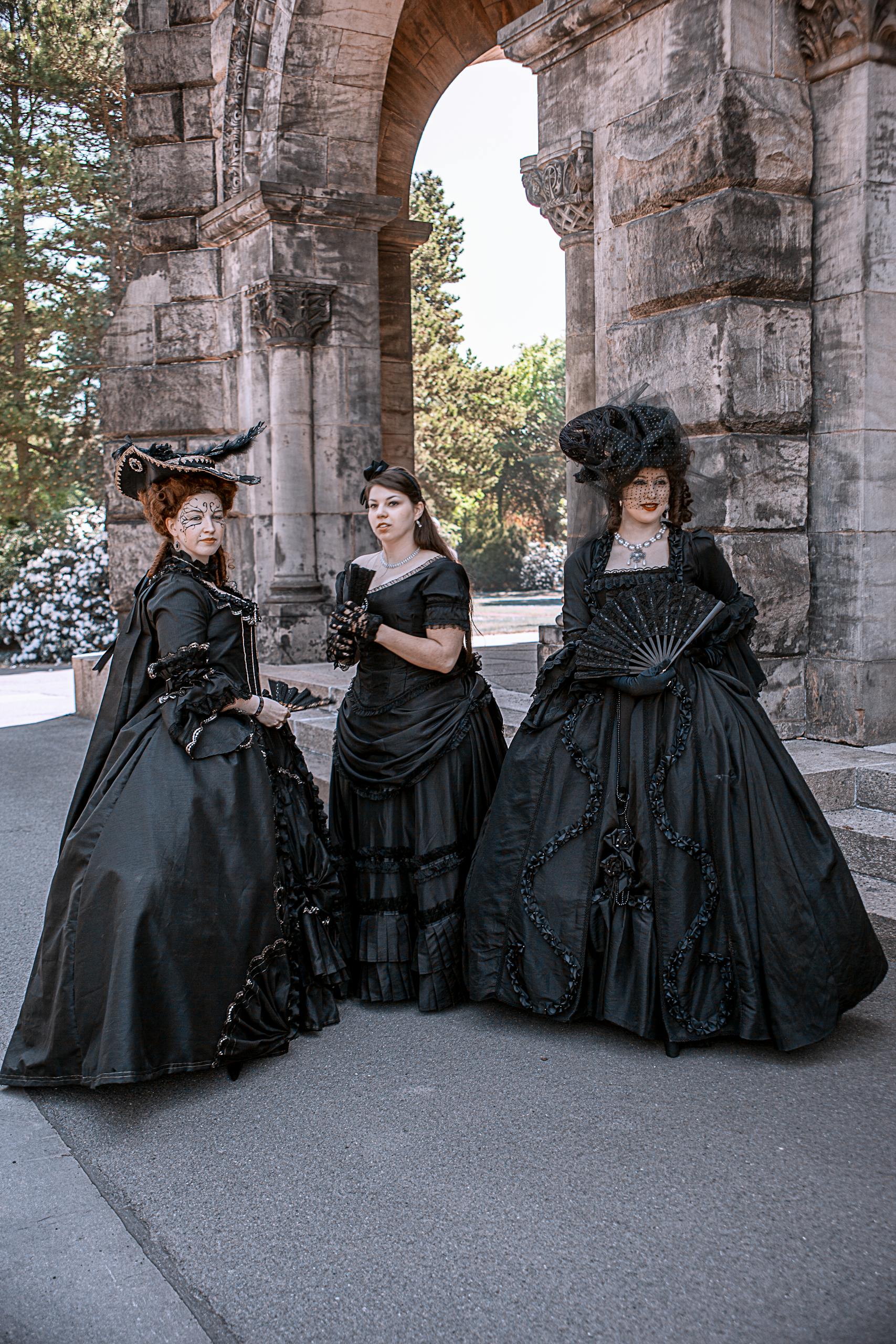
The crinoline gave Victorian skirts their famous bell shape. It looked graceful in old photographs, paintings, and period dramas. But in homes lit by fireplaces, candles, lamps, and stoves, all that fabric could become terrifying. One careless step near a flame could turn a beautiful dress into a trap.
Crinoline fires were a real danger in the 19th century. Wide skirts could catch fire quickly, and once the flames spread, escape was difficult. Anyone who has ever pulled a sleeve away from a kitchen burner can understand the fear. Now imagine that danger wrapped around your entire body, layer upon layer of fabric.
Foot Binding Made Beauty a Lifelong Injury
Foot binding is one of the clearest examples of beauty becoming pain. For generations in China, young girls had their feet tightly bound to reshape them into tiny “lotus feet.” The look was tied to femininity, status, and marriageability. The process, however, damaged the body for life.
Bound feet can lead to chronic pain, infection, limited mobility, and severe physical difficulties. What makes the practice so haunting is that it turned suffering into a social expectation. Girls were taught that pain could make them more desirable. That is not just fashion. That is a beauty standard turned into a cage.
Chopines Were Platform Shoes With a Dangerous Ego

Long before modern platform heels made their way to concerts, clubs, and red carpets, Venetian women wore chopines that lifted them high above the street. These shoes looked dramatic, expensive, and almost theatrical. They also made walking awkward and unstable. The higher the shoe, the more the wearer depended on balance, attendants, and luck.
Chopines helped protect feet from muddy or damp streets, but they also became symbols of wealth and rank. Some were so tall that moving in them looked less like walking and more like surviving a dare. They were historical platform shoes with all the drama and none of the comfort. One wrong step could turn elegance into embarrassment, injury, or worse.
Conclusion
Fashion history is full of beautiful things with ugly backstories. These trends remind us that style has never been harmless simply because it looked elegant. Arsenic dresses, lead makeup, mercury hats, crinolines, bound feet, towering shoes, tight corsets, and radium creams all show how far people have gone to look refined, wealthy, desirable, or modern.
The modern reader does not need to treat this as a dusty museum lesson. Every generation has its own miracle product, impossible body ideal, and trend that asks people to ignore discomfort in the name of looking better. History gives us the warning label. The real question is whether we read it before the next dangerous trend arrives dressed as glamour.