10 Sneaky Signs Your Diet Is Ruining Your Health
A poor diet does not always result in weight gain. Often, its effects appear subtly, leading to dull hair and skin, digestive discomfort, and difficulty concentrating.
Many people continue unhealthy eating habits because they feel “fine enough.” However, the body often signals issues through minor daily symptoms that are mistaken for stress or aging. The World Health Organization warns that modern diets are increasingly high in processed foods, unhealthy fats, sugar, and salt, while lacking sufficient fruits, vegetables, and fiber.
Here are some signs your body will show you.
Your Hair Starts Looking Dry, Weak, or Lifeless

Hair can show clear signs when your diet is poor. It may become brittle, thin, dull, or more prone to shedding, almost as if your scalp has quietly gone on strike. That happens because healthy hair needs steady nourishment, especially protein, iron, zinc, essential fats, and vitamins that help support normal growth.
Crash diets, low protein meals, and repetitive “coffee for breakfast, snacks for lunch” routines can leave hair follicles underfed. Your body will always prioritize the heart, brain, and other vital organs before giving nutrients to hair. Add eggs, fish, beans, lentils, nuts, seeds, Greek yogurt, leafy greens, and colorful fruits to give your hair more of the raw material it needs.
Your Skin Looks Older, Dull, or More Tired Than Usual
Skin has a way of telling the truth before we are ready to hear it. A poor diet can make the face look dry, flat, rough, or older than expected, especially when meals lack fruits, vegetables, protein, and healthy fats. Sugar heavy foods and ultra-processed snacks can also crowd out the nutrients that help skin repair itself.
Vitamin C is especially important because it supports collagen formation, and collagen plays a major role in skin structure and wound healing. That does not mean one orange will erase years of bad habits, but it does mean daily food choices matter. Berries, citrus fruits, peppers, broccoli, tomatoes, sweet potatoes, eggs, fish, nuts, and seeds can help the skin look better fed from the inside.
Your Gums Bleed or Your Teeth Keep Getting Cavities
Bleeding gums and constant cavities are not just dental issues. They can also be caused by food. If sugary drinks, candy, sweet coffee, cookies, and snacks are common in your day, your mouth becomes a place where bacteria make acid that harms tooth enamel.
Gums also need nutrients to stay healthy. Not enough vitamin C can cause gum problems because the body uses vitamin C to support and heal tissues. A better plate includes strawberries, oranges, kiwi, tomatoes, potatoes, cabbage, spinach, and bell peppers. A better drink choice means drinking water instead of soda, juice, and sweetened coffee more often than we might like to admit.
Your Brain Feels Foggy and Slow
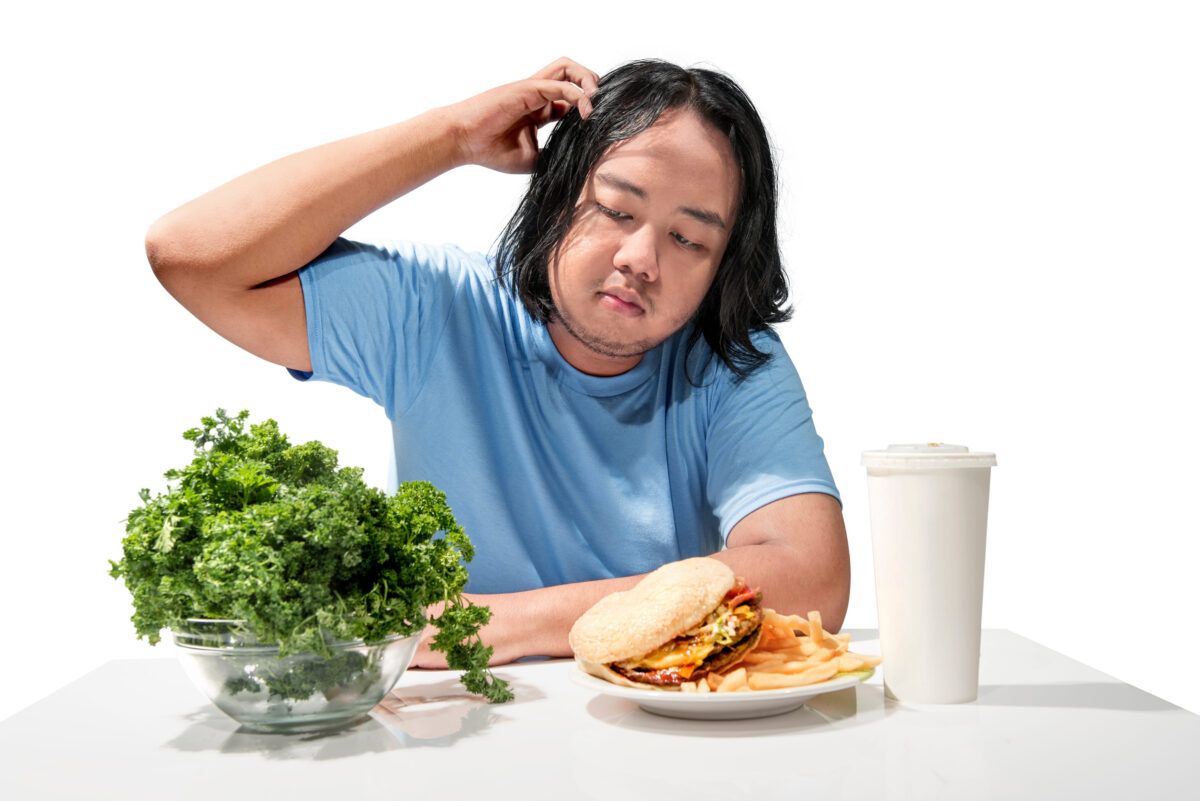
Brain fog can feel like walking through your own thoughts with wet shoes. You read the same line three times. You forget why you walked into a room. You stare at simple tasks like they suddenly require a committee meeting.
Food can play a major role here. The brain needs a steady supply of energy, healthy fats, iron, B vitamins, and hydration to function well. If meals are mostly refined carbs, skipped altogether, or built around caffeine and sugar, the brain gets quick sparks instead of steady power. Choose oatmeal with nuts and fruit, eggs with whole grain toast, salmon or beans with rice, yogurt with berries, or lentil soup with vegetables to give your brain a better working day.
Your Digestion Is Always Complaining
Constipation, bloating, irregular bathroom trips, and that heavy stomach feeling often point back to a low fiber diet. A diet high in white bread, fried foods, processed meats, chips, sweets, and fast food does not provide the digestive system with enough plant material to work with. The gut likes movement, variety, and fiber.
The FDA recommends 28 grams as the daily fiber goal for most adults, which you can find on Nutrition Facts labels. Fiber comes from oats, beans, lentils, berries, apples, vegetables, brown rice, chia seeds, nuts, and whole grains. Add fiber slowly and drink enough water because suddenly eating a lot of fiber can upset your stomach.
You Heal Slowly From Cuts, Scrapes, or Small Wounds
If small cuts take forever to heal, your diet may be part of the reason. Healing is construction work, and the body cannot build new tissue with empty shelves. It needs enough calories, protein, vitamin C, zinc, fluids, and other nutrients to repair damage and fight off infection.
Protein helps build and repair tissue, so meals should include foods like eggs, fish, chicken, yogurt, tofu, beans, lentils, or lean meat. Vitamin C rich foods also deserve a place on the plate because vitamin C supports collagen and wound repair. If a wound is painful, infected, unusually slow to heal, or linked to diabetes or poor circulation, it should be checked by a health professional.
You Keep Getting Sick or Feeling Run Down

A poor diet can make the immune system feel like it is working with a cracked shield. You may catch every cold going around, take longer to recover, or feel tired even after a minor illness. Sleep, stress, and hygiene matter too, but nutrition gives immune cells many of the tools they use.
Adults are generally advised to eat 1.5 to 2 cups of fruit and 2 to 3 cups of equivalent vegetables daily, yet many people do not meet those levels. Fruits and vegetables bring vitamin C, vitamin A, folate, potassium, fiber, and plant compounds that support overall health. Citrus fruits, leafy greens, berries, carrots, beans, whole grains, yogurt, seafood, eggs, nuts, and seeds provide better immune support than a week of living on fries and panic.
Your Energy Crashes Keep Hijacking Your Day
Energy crashes are sneaky because they often feel normal. You wake up tired, revive yourself with caffeine, crash by noon, grab something sweet, then repeat the cycle until bedtime. That pattern is exhausting, and food choices can make it worse.
Meals built mostly on sugar and refined carbs digest quickly, which can lead to fast rises and falls in energy. Add protein, fiber, and healthy fats to slow things down. Instead of plain toast, add eggs or peanut butter. Instead of a sugary cereal bowl, try oats with fruit and nuts. Instead of skipping lunch, eat a real plate with protein, vegetables, and a whole grain.
Your Cravings Feel Stronger Than Your Willpower
Cravings are often treated like a moral failure, but many cravings are biological. If meals are too small, too sugary, too low in protein, or too low in fiber, the body starts hunting for fast energy. That is when cookies, chips, soda, and late night snacks start looking like emotional support staff.
The fix is not to shame yourself into control. The fix is to build meals that actually hold you. Protein helps with fullness, fiber slows digestion, and healthy fats make meals more satisfying. Try Greek yogurt with berries, beans with rice and vegetables, tuna on whole grain toast, eggs with avocado, or lentil soup with a side of fruit.
Your “Normal” Meals Are Mostly Processed Foods
Mariam via Pexels
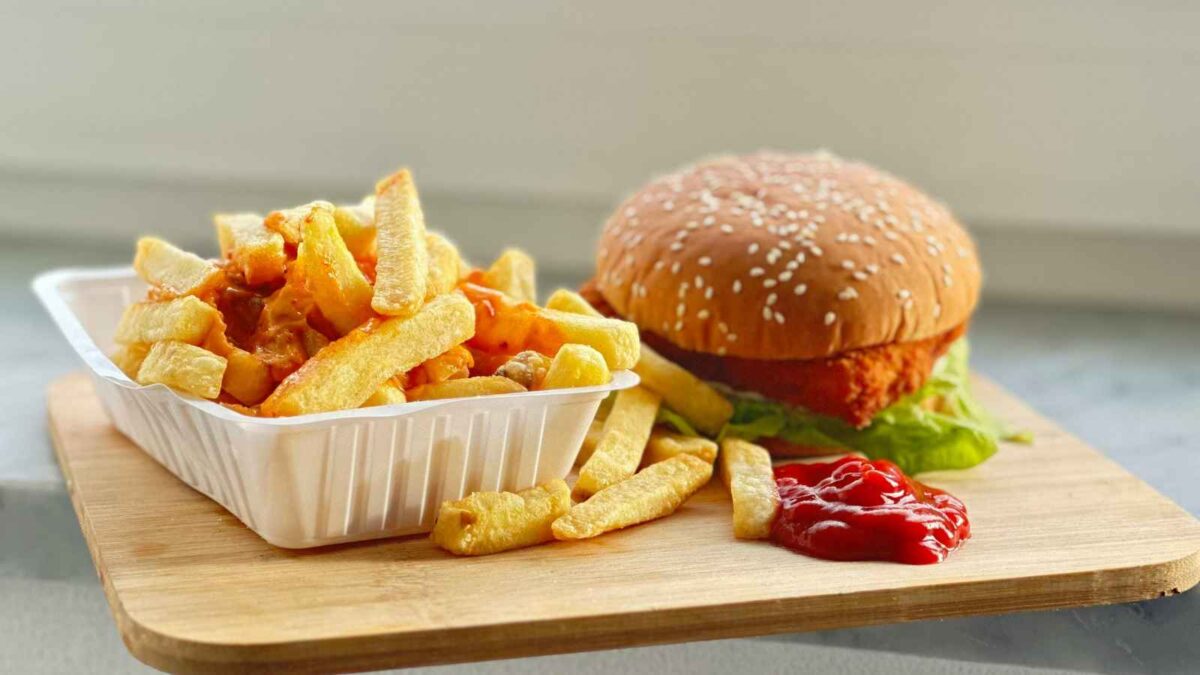
The biggest sign of an unhealthy diet may not be one symptom. It may be the daily pattern. If most meals come from takeout bags, microwave boxes, vending machines, packaged snacks, sweet drinks, and late night leftovers, the body may be getting enough calories but not enough nourishment.
Highly processed foods often make eating easy in the moment and harder in the long run. They can be high in salt, sugar, unhealthy fats, and refined starches, while leaving little room for fiber, minerals, and fresh produce. A better routine can be simple: oats for breakfast, fruit as a snack, rice and beans for lunch, eggs or fish for dinner, vegetables added wherever they fit, and water doing more of the daily heavy lifting.
Conclusion
A poor diet does not always scream. Sometimes it whispers through tired skin, weak hair, bleeding gums, brain fog, constipation, slow healing, constant sickness, energy crashes, cravings, and a daily routine built around processed food. Those signs do not mean the body is broken. They mean the body is asking for better supplies.
We do not need a perfect diet to feel better. We need more real meals, more fruits and vegetables, more fiber, more protein, more water, and fewer foods that leave the body full but underfed. Once those changes become regular, the body often starts answering in the best way possible: clearer energy, calmer digestion, better focus, stronger immunity, and a quieter kind of confidence.