10 Things You Should Never Say to Single People
Being single in today’s world often comes with unsolicited advice, casual judgments, and well-meaning but damaging comments. Friends, family, and even strangers can make statements that seem harmless but leave lasting emotional bruises. Understanding these phrases is the first step to stopping them from undermining their self-worth and happiness.
Below are some of the phrases you should refrain from telling single people;
Why Are You Still Single?
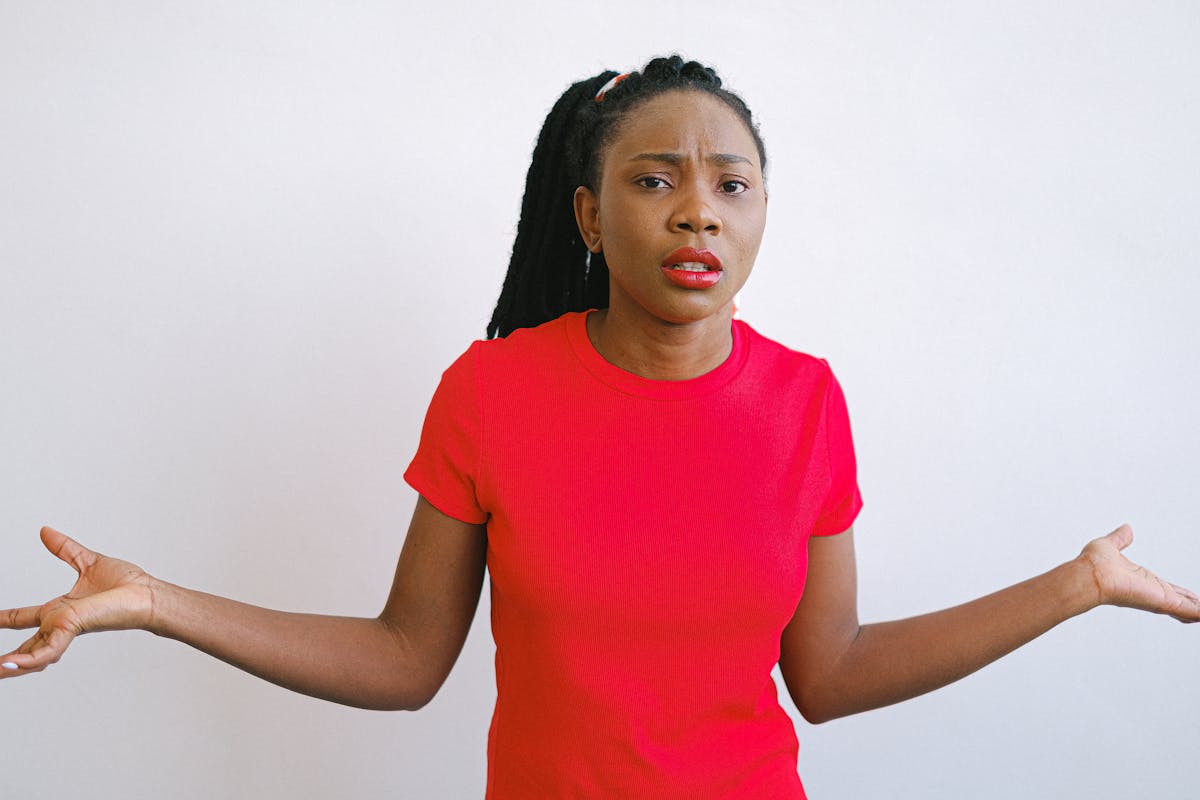
This is a classic, loaded question. Often delivered as a compliment about attractiveness or success, it lands like an interrogation. It implies that being unmarried is a defect, leaving the person feeling judged rather than valued.
The subtle use of “still” turns singlehood into a flaw, problem or a delay . It can push someone to reveal private dating history, family pressures, or personal heartbreaks they may not want to share.
You’re Too Picky
The idea of “picky” seems harmless, but it often shames someone for wanting respect, compatibility, or emotional maturity. Many single adults are looking for a healthy partnership, not perfection, and labeling them as picky invalidates their standards.
Dating is not a job posting, and the desire for meaningful connection is reasonable. This comment reduces a thoughtful choice to a flaw and pressures someone to settle.
You’ll Meet Someone When You Stop Looking
This is meant to comfort, but it implies the single person is doing something wrong. It can make them feel responsible for their own lack of a partner and suggest their worth is tied to how passively or actively they seek romance.
Love rarely appears like magic. It often takes timing, effort, shared interests, and sometimes luck. Framing singlehood as a failure until romance arrives is hurtful.
Have You Tried Dating Apps?

For most single adults, the answer is yes or they’ve already made a conscious decision not to. Asking this can feel repetitive and dismissive, as if the single person’s life exists only to solve the problem of finding a partner.
Dating apps bring fatigue, rejection, and emotional stress. Pressuring someone to use them ignores their agency and experiences.
You Need to Put Yourself Out There More
This comment assumes the person is hiding from life, which is rarely true. Most single adults are working, volunteering, building friendships, traveling, and contributing to their communities. It is exhausting to hear “you’re not enough” framed as advice.
Offering inclusion without judgment is far more supportive than suggesting someone is insufficiently social.
You’re So Lucky You’re Not Tied Down
Marriage comes with responsibilities, bills, caregiving, and constant negotiation. While singlehood offers freedom, it can also carry the weight of every decision alone. This comment risks romanticizing single life while ignoring its real challenges.
It is a subtle reminder that the single person’s longing for partnership or companionship is invalid.
You Must Be Lonely

Loneliness is not automatically tied to relationship status. Single people can have robust social networks, meaningful careers, and fulfilling hobbies. Assuming loneliness reduces a complex life to one dimension and can shame someone for feeling perfectly content alone.
Acknowledging emotional nuance is far more validating than making assumptions.
Maybe You’re Intimidating
Confidence, ambition, and independence are strengths, not barriers. Suggesting that someone’s success or personality makes them unlovable sends the message that they should shrink to fit someone else’s comfort.
Healthy relationships celebrate individuality, and single adults should never feel pressured to diminish their character.
Marriage Will Happen When the Time Is Right
Promises of future partnerships create a false sense of certainty. No one can guarantee a relationship, and framing singlehood as a waiting room fosters frustration and comparison. It is unfair to suggest timing is the only factor that will eventually lead to love.
Encouraging hope is fine, but treating marriage as inevitable invalidates current experiences and unnecessarily strains patience.
Romance Isn’t Everything

Telling single people that romance isn’t important can dismiss real feelings. Longing for love and intimacy is natural, and minimizing it can feel patronizing. Social connection is essential for emotional well-being, and ignoring that reality risks silencing genuine emotion.
Single adults should be allowed to want love while still living fully in every other aspect of life.
Conclusion
Single adults are not incomplete, broken, or waiting to be fixed. Casual comments, even when well-intentioned, often reinforce outdated narratives and create emotional friction. Respect, curiosity, and listening go further than advice, jokes, or assumptions. A single person’s life is already whole, and the most meaningful support comes from honoring that fact.