12 Unhealthiest Fast-Food Chains in America
Fast food has become a daily convenience for millions of Americans. It is quick, cheap, and familiar, but the nutritional consequences are often hidden in plain sight. One burger can turn into a full combo, one drink can balloon into a giant soda, and one side can multiply into fries, sauces, nuggets, or desserts.
Many fast-food chains are built around indulgence rather than moderation, making it far too easy to overload on calories, sodium, saturated fat, and sugar in a single visit. This ranking highlights the chains where unhealthy choices dominate the menu, showing which meals pose the highest risk to your daily nutrition.
Wendy’s

Wendy’s earns the top spot because its signature items make high-calorie indulgence feel normal. Triple burgers, Baconators, fries, nuggets, creamy sauces, and Frosty desserts stack calories, sodium, and saturated fat into a single order. Even a “normal” combo can exceed daily limits for fat and sodium, making a meal feel routine but act like a full-day nutritional load.
Wendy’s menu encourages layering flavors and textures. Bacon, cheese, and mayonnaise-heavy sauces are standard upgrades, adding hundreds of calories per bite. The risk is not just the burger but the combination with fries and a Frosty, which turns the meal into a calorie-heavy, high-fat, and high-sugar event.
Sonic Drive-In
Sonic combines burgers, coneys, fries, and snacks with a wide array of sugary drinks and shakes, making overconsumption extremely easy. Liquid calories can be deceptive; slushes, limeades, and shakes can pack in massive amounts of sugar. When paired with a burger or a fried side, a typical Sonic order can reach or exceed the daily recommended limits for sugar, sodium, and fat.
Their menu encourages indulgence. Footlong coneys and loaded tots provide savory, salty, and fried elements, while desserts like shakes and ice cream float in alongside. A stop at Sonic can feel like a simple snack, but quickly becomes a full-day calorie load.
Checkers and Rally’s
Checkers and Rally’s focus on oversized, bold, and heavily seasoned meals. Loaded burgers, seasoned fries, and fried sides dominate the menu. The Triple Baconzilla, for example, packs beef, cheese, bacon, and sauces into one massive sandwich, easily exceeding daily limits for saturated fat and sodium before sides are added.
The combination of thick patties, fried toppings, and sauces makes indulgence a default. Late-night drive-thru habits often push customers toward multiple high-calorie items, making the chain one of the most extreme fast-food options.
Popeyes
Popeyes centers its menu on fried chicken, spicy or mild, paired with biscuits, gravy, mac and cheese, and fries. One sandwich or wing meal can already surpass daily limits for calories, sodium, and saturated fat. The seasoning and breading amplify flavor but hide extra salt and fat in every bite.
Customers often pair chicken with sides, sauces, and drinks, multiplying the nutritional impact. Fried chicken sandwiches may taste like a single entrée, but a complete Popeyes meal often packs the calories, sodium, and fat of a full comfort-food plate.
Burger King

Burger King’s large burgers, bacon, cheese, fries, sauces, and drinks make portion control challenging. Flame-grilled branding may sound lighter, but double- or triple-patty options with upgrades can quickly exceed daily recommendations for saturated fat and sodium. Fries and sugary drinks turn even a single burger into a heavy, high-risk meal.
Burger King’s menu structure encourages escalation. From a single Whopper to a double or triple version with bacon and cheese, the chain’s meals can spiral from indulgent to nutritionally overwhelming in a single order.
Dairy Queen
Dairy Queen combines fried foods with rich desserts, creating a unique nutritional risk. Chicken strip baskets, fries, and burgers are often paired with Blizzards, sundaes, or shakes. This dual indulgence multiplies calories, sugar, and fat in one tray.
Blizzards and shakes can exceed the calories of the main meal itself. When added to a fried entree, Dairy Queen can turn a quick meal into an extreme overconsumption event, often without customers realizing the impact.
Taco Bell
Taco Bell offers customizable items that can range from relatively light to extremely heavy. Burritos, nachos, fried shells, cheese, creamy sauces, potatoes, and drinks can create sodium and calorie bombs. Even a single large burrito can approach daily sodium limits before sides or drinks are added.
The danger is hidden in customization. Adding extra cheese, creamy sauces, and meat turns seemingly simple menu items into high-fat, high-calorie meals that can rival heavier fast-food chains in nutritional impact.
KFC

KFC’s fried chicken is complemented by biscuits, gravy, mac and cheese, coleslaw, and fries, creating meals that are calorie-dense and sodium-heavy. Even one entrée becomes a full comfort-food feast once sides are included. The combination of breading, fried meat, and rich sides is nutritionally taxing.
Salt is present in nearly every component, and the full plate often exceeds daily limits for sodium and fat. KFC meals taste balanced but pack a hidden nutritional punch.
Five Guys
Five Guys serves mostly burgers, fries, hot dogs, and shakes, with large portions and limited lighter options. A bacon cheeseburger with fries can easily match or exceed the calories, fat, and sodium of the heaviest chains.
Generous fries cooked in peanut oil add significant calories. Even simple orders become indulgent by default, with the size and richness of portions driving the high ranking.
Little Caesars
Pizza is deceptively heavy, especially with stuffed crust, meat toppings, wings, Crazy Bread, dipping sauces, and soda. One slice seems harmless, but multiple slices quickly surpass daily calorie and sodium limits. Portion control is the key issue; cheap and abundant pizza encourages overconsumption.
Late-night orders or group meals amplify the impact, turning inexpensive indulgence into a full-day nutritional overload without much thought.
Chick-fil-A
Chick-fil-A offers healthier-seeming options like grilled chicken and fruit cups, but fried sandwiches, waffle fries, creamy sauces, sweet tea, milkshakes, and loaded salads can quickly add up to high-calorie meals. The health halo around chicken can mislead customers, causing underestimation of calories, fat, and sugar.
Even salads can be heavy when paired with fried chicken, cheese, bacon, and rich dressings. Simple orders remain safe, but indulgence quickly increases the nutritional load.
McDonald’s
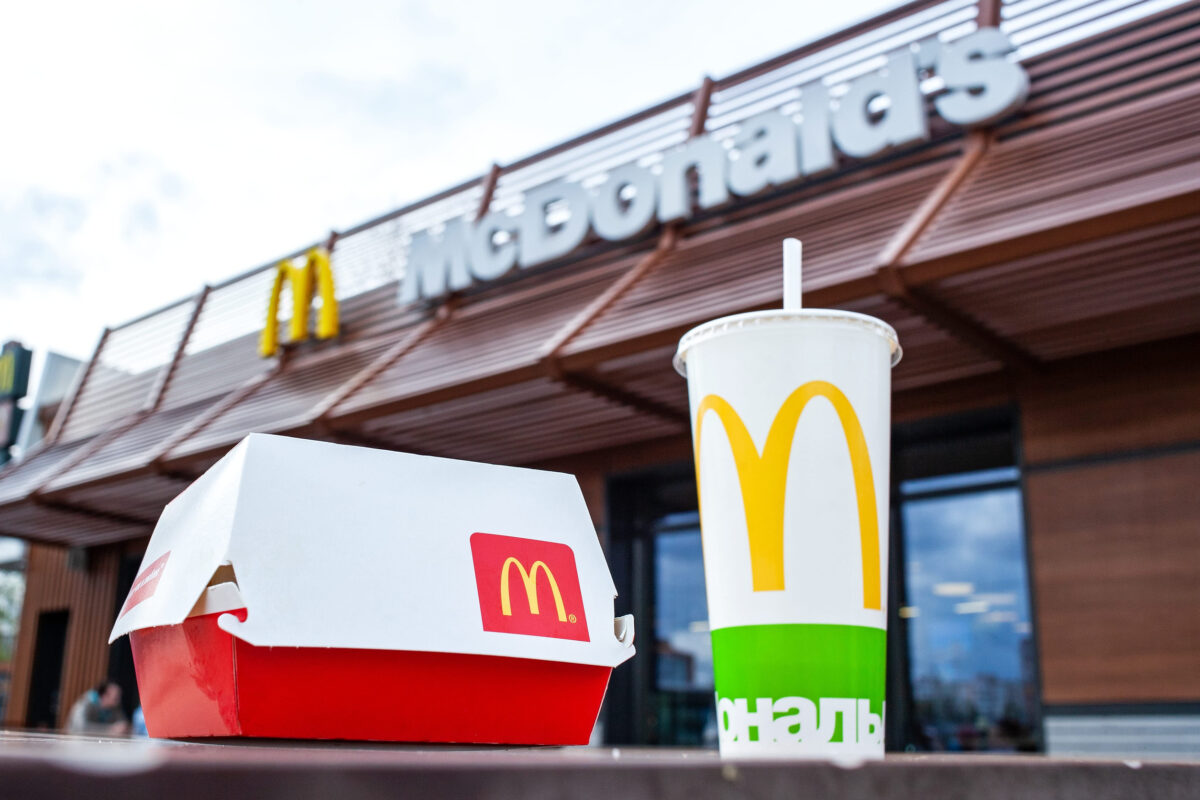
McDonald’s combines familiar burgers, fries, nuggets, McFlurries, breakfast items, and pies. Individually, meals may not be extreme, but repeated visits and routine combos can quickly add up calories, sodium, and sugar. Convenience and familiarity make overconsumption frequent, keeping McDonald’s high on this list.
While options like salads or smaller sandwiches exist, high-calorie burgers, fries, and desserts remain the most popular choices, which drives the chain’s unhealthy reputation.
How to Avoid Fast-Food Traps
The most dangerous meals combine large entrées, fries, sauces, sugary drinks, and desserts. Sodium and sugar are the silent culprits, hiding in breading, cheese, sauces, pizza, fries, gravy, and processed meats.
Reducing damage is simple: pick smaller sandwiches, skip extras, ask for sauce on the side, and choose water or unsweetened tea. Grilled chicken and a single fry can cut hundreds of calories, sugar, and fat from your meal.
Conclusion
The unhealthiest fast-food chains make indulgence feel normal. Wendy’s, Sonic, Checkers, Rally’s, Popeyes, and Burger King top the list because oversized portions, fried foods, salty sides, sugary drinks, and dessert add-ons are standard. Even chains with healthier options, like Chick-fil-A and McDonald’s, can create meals heavy in calories, fat, sodium, and sugar. Smart ordering—smaller entrées, fewer extras, sauces on the side, and water—can help keep fast-food indulgence from becoming a nutrition disaster.