10 Forgotten Cities Where Drug Deaths Are Skyrocketing
America’s overdose map looks calmer from a distance, but the close-up is brutal. National drug overdose deaths fell sharply in 2024, with CDC data showing a 26.2% drop in the age-adjusted overdose death rate from 2023 to 2024.
That sounds like a victory, and in many ways it is. But it also hides a darker truth: some cities are still buried under years of fentanyl, methamphetamine, cocaine, counterfeit pills, and thin treatment systems. These are the places where the crisis does not look like a chart. It looks like empty bedrooms, grieving families, exhausted paramedics, and neighborhoods that keep losing people faster than help arrives.
Spokane, Washington
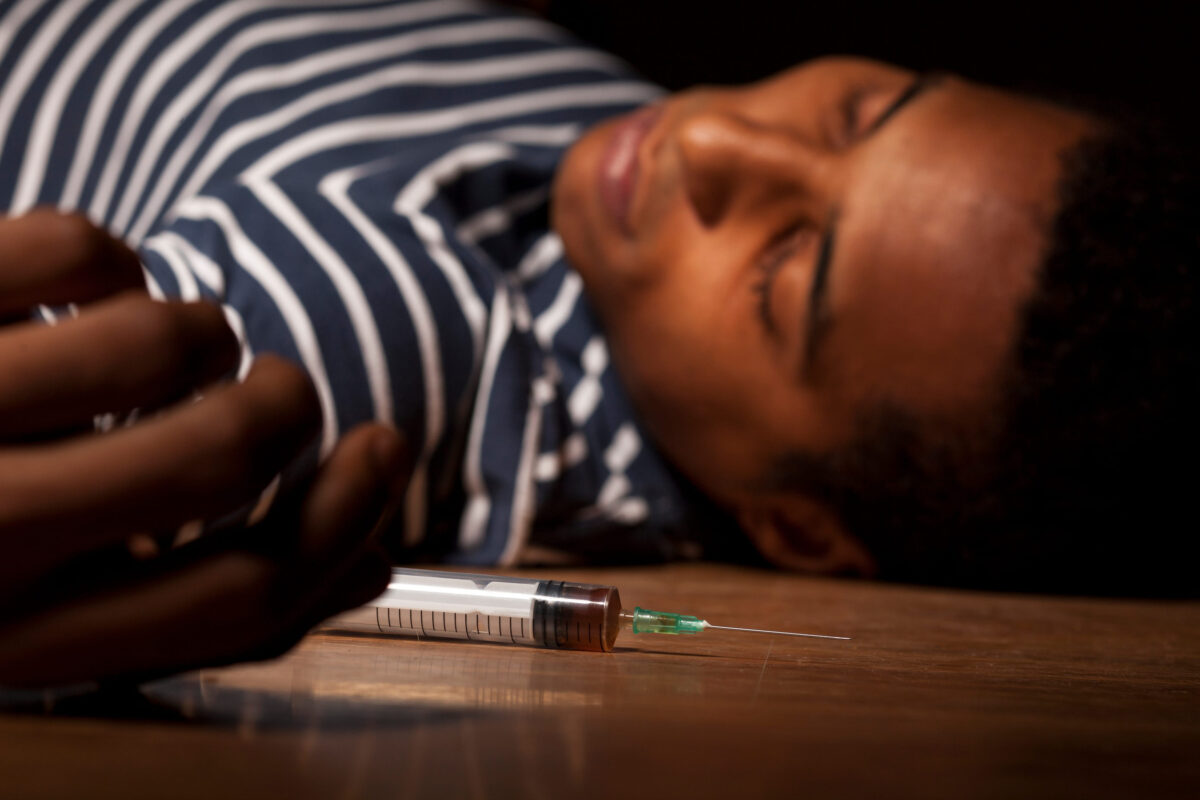
Spokane has become one of the clearest warnings that the overdose crisis has moved west with frightening force. In 2019, Spokane County recorded 80 overdose deaths. By 2024, that number had jumped to 346, and in 2025 it stayed almost as high at 344 deaths, meaning nearly one person died every day for two straight years.
That kind of rise does not happen quietly, even in a city that often gets overshadowed by Seattle. Spokane’s struggle shows how fentanyl can rip through a mid-sized community once the drug supply changes. The city is not just dealing with addiction. It is dealing with grief on repeat, strained emergency services, overwhelmed families, and a public health system trying to chase a crisis that has already run ahead.
Tucson, Arizona
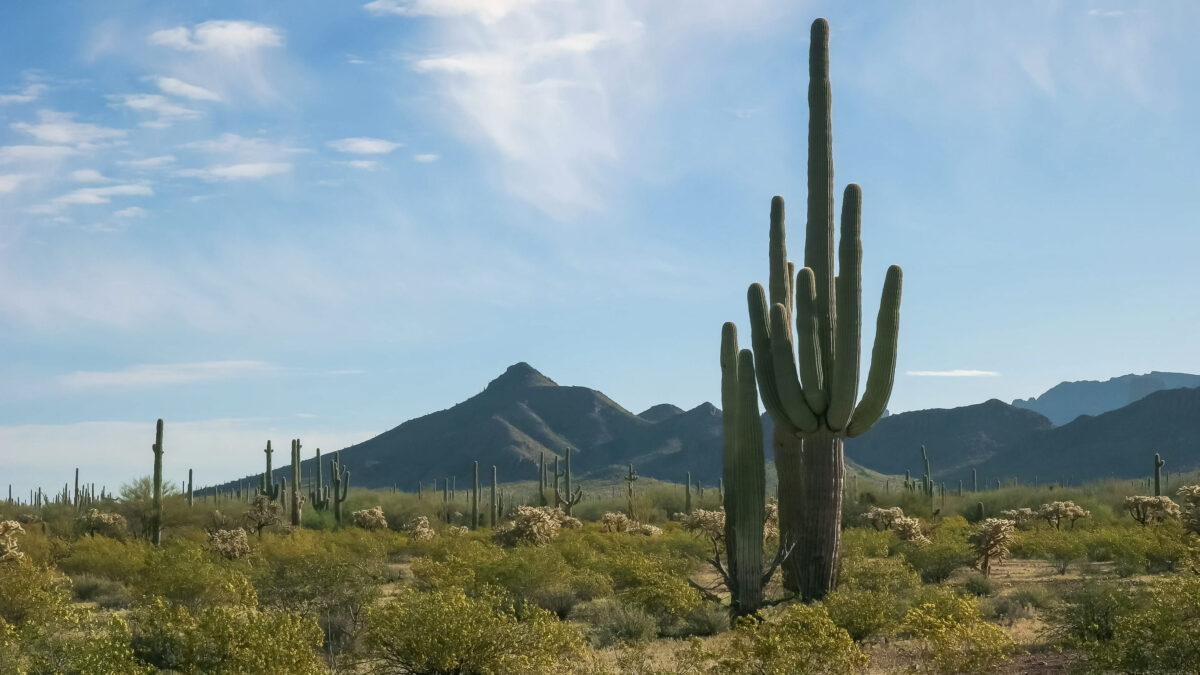
Tucson sits in Pima County, where overdose deaths have reached a chilling level. Pima County reported a record 510 accidental overdose deaths in 2023, and county officials said opioid overdose deaths rose 63% from 2019 to 2023. Even in 2024, more than one overdose death occurred each day in the county.
The danger here is not abstract. Fentanyl is cheap, counterfeit pills are everywhere, and the border-state drug market makes the crisis feel especially hard to contain. Tucson’s pain also cuts across age groups, including older adults and teens. The city has sunshine, desert views, and a growing cultural scene, but beneath that beauty is a public health emergency that refuses to stay hidden.
Albuquerque, New Mexico
Albuquerque is the face of New Mexico’s overdose burden, especially because Bernalillo County has the state’s largest number of overdose deaths. A 2024 strategic plan for Albuquerque and Bernalillo County noted that drug-related overdose deaths had increased over several years and remained elevated. The county also accounted for more than 40% of New Mexico’s overdose deaths in that analysis.
New Mexico’s statewide numbers add to the alarm. In 2024, the state recorded 775 overdose deaths, with a rate of 36.4 deaths per 100,000 people, among the highest state rates in the country. Albuquerque’s crisis is especially painful because it mixes urban poverty, rural access gaps, fentanyl trafficking, methamphetamine use, and limited treatment capacity into one stubborn storm.
Cleveland, Ohio

Cleveland has been hit so hard that its overdose rate has stood far above that of the surrounding county. Cuyahoga County data showed Cleveland’s estimated crude drug-related mortality rate at 99 deaths per 100,000 people in 2023, compared with 51.5 per 100,000 for the county overall. Fentanyl alone contributed to 74% of overdose deaths in both Cleveland and Cuyahoga County that year.
That number tells a bigger story about old industrial cities left to fight new synthetic drugs with worn-down systems. Cleveland is not a forgotten city in culture or sports, but its overdose crisis rarely gets the national urgency it deserves. The deaths have landed hardest in neighborhoods already facing disinvestment, unstable housing, and limited access to long-term recovery care.
Indianapolis, Indiana
Indianapolis often gets left out of national overdose conversations, but Marion County’s numbers are hard to ignore. The Marion County Public Health Department says accidental drug intoxication deaths increased by 65% from 2019 to 2023. In 2023, the coroner investigated 1,242 accidental deaths, and 669 of them were due to accidental drug intoxication.
That means overdose deaths made up more than half of all accidental deaths investigated in the county that year. The city’s crisis is tied to fentanyl, polysubstance use, and the quiet danger of counterfeit pills. Indianapolis has strong hospitals and civic institutions, but the overdose wave has exposed how quickly addiction can overwhelm even a major city when prevention, treatment, housing, and follow-up care do not move together.
Portland, Oregon
Portland became one of the clearest West Coast symbols of the fentanyl era. Oregon reported 1,544 drug overdose deaths in 2024, down from 1,833 in 2023, but state officials still warned that fentanyl and methamphetamine remained the most common substances found in fatal overdoses.
In Multnomah County, home to Portland, the numbers became especially haunting among people experiencing homelessness. The county reported 282 overdose deaths among people without stable housing in 2023, with fentanyl involved in most of those deaths. Portland’s overdose crisis shows what happens when addiction, homelessness, untreated mental illness, and a volatile drug supply collide in public view.
Milwaukee, Wisconsin

Milwaukee County has seen recent improvement, but the earlier surge left deep scars. In 2023, the county recorded 668 overdose deaths, down only slightly from 674 in 2022. Local reporting also noted that Milwaukee County had one of the worst overdose death rates among large U.S. jurisdictions, with fentanyl responsible for nearly 8 in 10 overdose fatalities.
The crisis has been especially devastating for Black residents. One analysis found fatal overdoses among Milwaukee County’s Black population rose 75% between 2020 and 2022. That makes Milwaukee’s story bigger than drugs alone. It is also about race, incarceration, housing, medical access, and who receives help before the ambulance is called.
El Paso, Texas
El Paso is often discussed as a border city, a trade hub, or a place shaped by immigration politics. It should also be discussed as an overdose warning sign. Research on xylazine and overdose risk noted that El Paso County’s overdose death rate nearly doubled from 11.3 to 21.8 deaths per 100,000 residents between 2018 and 2019 and 2022 and 2023, with 58% of those deaths involving fentanyl.
That rise matters because El Paso’s reputation as a relatively safe city can make the drug crisis easier to overlook. But fentanyl does not care about civic branding. It moves through counterfeit pills, mixed drug supplies, and vulnerable networks. The city’s challenge is catching the crisis before it becomes even more entrenched.
Huntington, West Virginia
Huntington has carried the opioid crisis for years, often as a symbol of Appalachia’s pain. Cabell County, where Huntington is located, had an opioid overdose death rate of 72.7 per 100,000 people in 2017, almost five times the national average at the time.
West Virginia’s statewide burden remains severe. In 2024, the state recorded 821 overdose deaths, with a rate of 46.4 per 100,000 people, and fentanyl or other synthetic opioids were involved in 71% of total overdose deaths. Huntington’s tragedy is that it became famous for suffering, only to fade from attention before the suffering ended.
Louisville, Kentucky
Louisville, through Jefferson County, remains one of Kentucky’s major overdose battlegrounds. Kentucky’s 2024 Drug Overdose Fatality Report recorded 340 overdose deaths among Jefferson County residents in 2024, down from 501 in 2023. That drop is encouraging, but 340 deaths in one county is still a massive human loss.
Louisville’s crisis is also tangled with racial disparities, older adults, fentanyl, methamphetamine, and polysubstance use. Kentucky’s overall overdose deaths have dropped, but the state’s own research still found its 2024 crude overdose death rate remained significantly higher than the 2019 rate. Louisville is improving, but improvement should not be mistaken for safety.
Conclusion
The most dangerous thing about America’s overdose crisis is how easily people stop paying attention when national numbers improve. A falling national death toll matters, and every saved life counts. But cities like Spokane, Tucson, Albuquerque, Cleveland, Indianapolis, Portland, Milwaukee, El Paso, Huntington, and Louisville prove the crisis is uneven, stubborn, and deeply local.
Some places are finally seeing declines. Others are still climbing. Many are trapped in the middle, where the numbers look better on paper but still feel catastrophic on the ground. The lesson is simple: overdose deaths do not fall because a city hopes harder. They fall when naloxone is everywhere, treatment is easy to access, fentanyl test strips are accessible, housing is part of recovery, and people who use drugs are treated like human beings before they become statistics.