10 Dangerous Places to Keep Your Phone and How to Protect It
Phones have become extensions of ourselves, accompanying us from the gym to the car, the kitchen to the bedroom. That constant presence is convenient, but it comes with hidden risks. Every day, spots that seem harmless can quietly damage your battery, fry circuits, expose you to bacteria, or even affect your body over time. Knowing where not to store your phone is key to keeping it healthy and functional for years to come.
Here are the 10 dangerous places to keep your phone and how to protect it.
Inside Your Hot Car
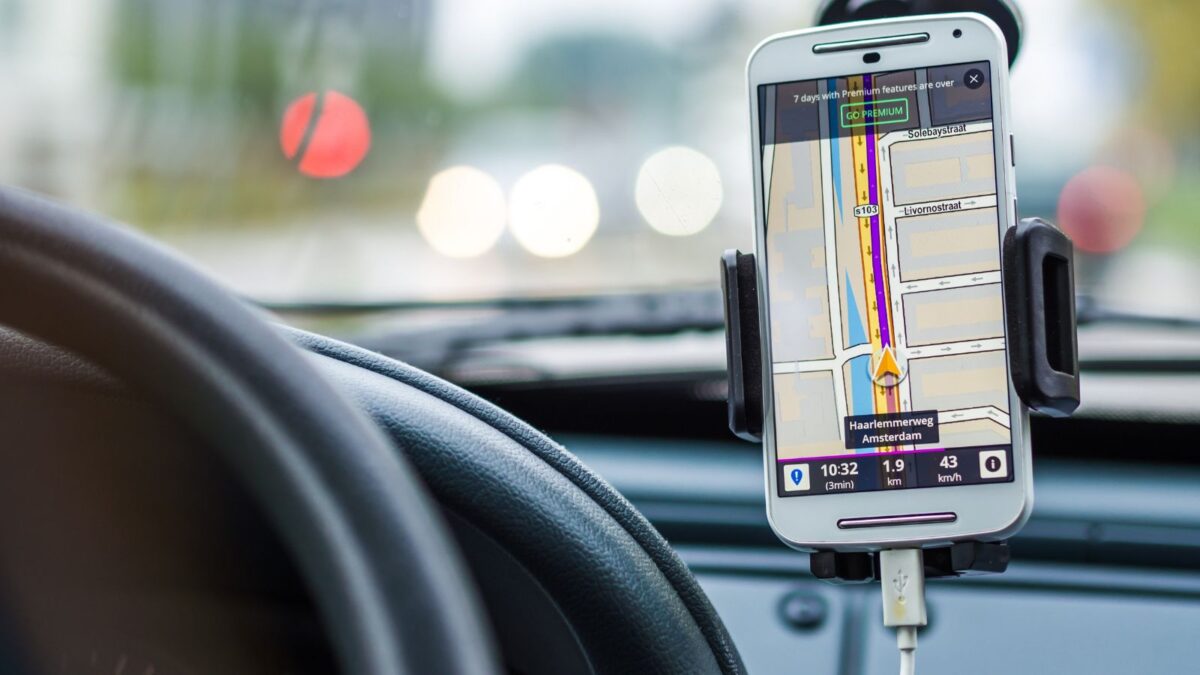
Many people leave phones on dashboards, seats, or in glove compartments, thinking the car is a secure spot. In reality, a parked vehicle can quickly become a heat trap. Temperatures inside a car can soar well above safe operating limits, damaging batteries, weakening internal components, and even corrupting your data.
Electronics inside the car during extreme heat can shut down automatically, dim the screen, or degrade performance permanently. To protect your phone, always keep it in a shaded area, inside a temperature-controlled compartment, or carry it with you whenever you leave the vehicle.
Under Your Pillow
Sliding your phone under your pillow while sleeping is a habit many Americans share. It feels safe and convenient, especially for late-night scrolling or messaging, but it comes at a cost. Phones emit radiofrequency electromagnetic fields, and combined with the heat trapped under pillows, this can disrupt sleep quality by interfering with melatonin production and your circadian rhythm.
Long-term exposure may reduce REM sleep, which is essential for both mental and physical health. Place your phone on a nightstand or across the room and set it to “Do Not Disturb” to protect your sleep while keeping the device safe.
In Your Bra or Tight Workout Gear
Some people tuck their phones into bras, waistbands, or tight workout tops for hands-free convenience. This practice exposes the phone to heat, sweat, friction, and pressure, all of which can damage internal components and reduce lifespan. Sweat and bacteria also accumulate on the phone’s surface, increasing the risk of skin irritation.
A far safer alternative is using an armband, running belt, crossbody pouch, or a secure pocket designed specifically for electronics, keeping your device clean, cool, and out of the way.
On Bathroom Counters or Near Toilets

It’s tempting to bring your phone into the bathroom for a quick scroll, but bathroom surfaces are among the germiest spots in any home. Flushing toilets send aerosolized droplets into the air, which can settle on countertops and phones in the vicinity. Studies show bacteria and viruses can remain airborne long enough to contaminate nearby surfaces.
Minimize exposure by leaving your phone outside the bathroom or placing it well away from water sources and toilet surfaces. This small change can prevent the accumulation of bacteria and keep your device hygienic.
Charging on Soft Surfaces
Charging a phone on a bed, pillow, blanket, or sofa may seem convenient, but it prevents proper heat dissipation. Trapped heat while charging accelerates battery wear, degrades performance, and can even cause the phone to shut down unexpectedly. Excessive heat from bedding can also warp internal components over time.
Always charge your device on a hard, flat surface with good airflow, remove thick cases if necessary, and unplug once it reaches full charge to maintain optimal battery health.
In Your Back Pocket
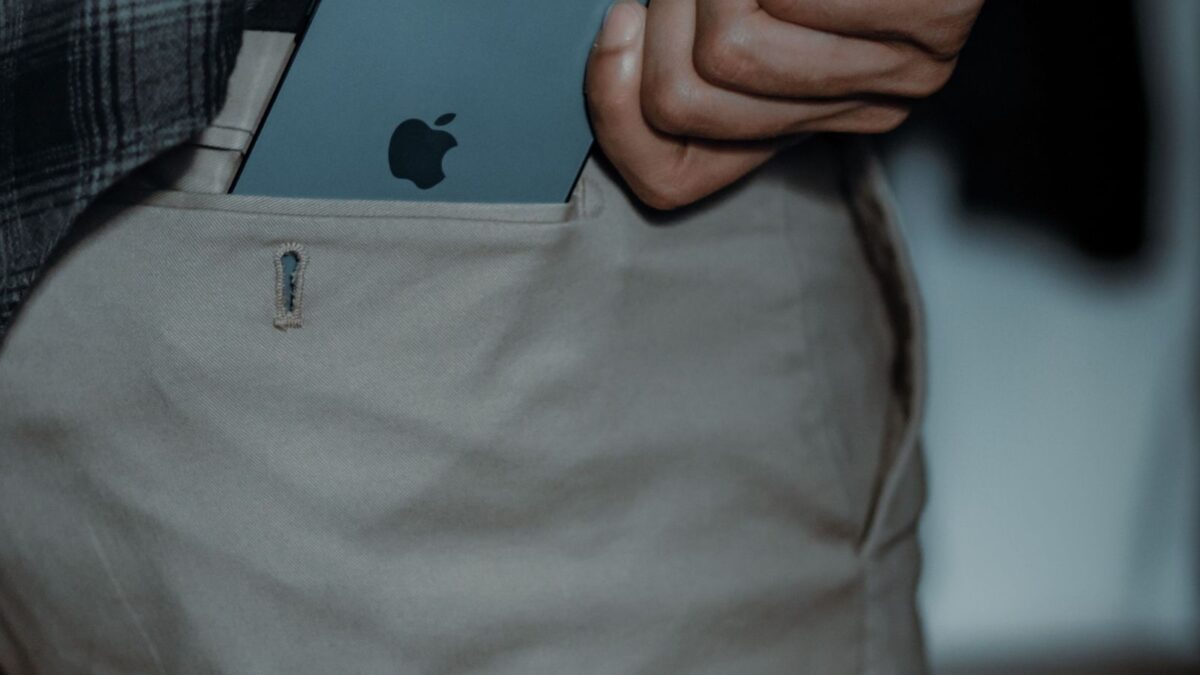
The back pocket is one of the most common yet dangerous storage spots for phones. Sitting on a phone repeatedly can bend the device, crack the screen, damage the camera, or even impact internal circuitry.
Phones that slip out of shallow pockets during everyday movements also face a higher risk of drops and breakage. Opt for a front pocket, jacket pocket, or bag compartment to reduce the risk of accidental pressure or falls while keeping the device accessible.
Near Water in the Kitchen
Kitchens are high-risk zones for phones due to frequent exposure to water, steam, sauces, and food particles. Even a quick splash or accidental spill can damage electronics. While many phones now offer water resistance, prolonged exposure to steam and moisture can penetrate seals and harm internal components.
Keep your phone elevated, away from sinks, stoves, or countertops where cooking liquids could reach it. Consider using a separate stand or designated shelf for your device to keep it both visible and safe.
Inside a Gym Bag with Shoes and Bottles
Gym bags are chaotic ecosystems of sweat, moisture, dirt, and heavy objects. Phones stored alongside shoes, bottles, keys, or towels are vulnerable to scratches, moisture damage, and even bacteria accumulation. Under these conditions, mobile devices can quickly become unsanitary or physically compromised.
A protective pouch or compartment is essential for shielding electronics from spills, impacts, and grime. Regularly cleaning the phone after workouts further preserves hygiene and longevity.
On Sunny Outdoor Surfaces
Beaches, stadium bleachers, pools, and patios seem like great places to set down a phone, but direct sunlight can quickly turn it into a miniature oven. High temperatures may cause temporary shutdowns, screen dimming, or permanent battery degradation. Devices left exposed in direct sunlight, especially in dark cases, are far more likely to overheat.
Keep your phone shaded, use a protective pouch, or place it in a shaded pocket to maintain functionality and prevent heat-related damage.
Plugged in Beyond 100%
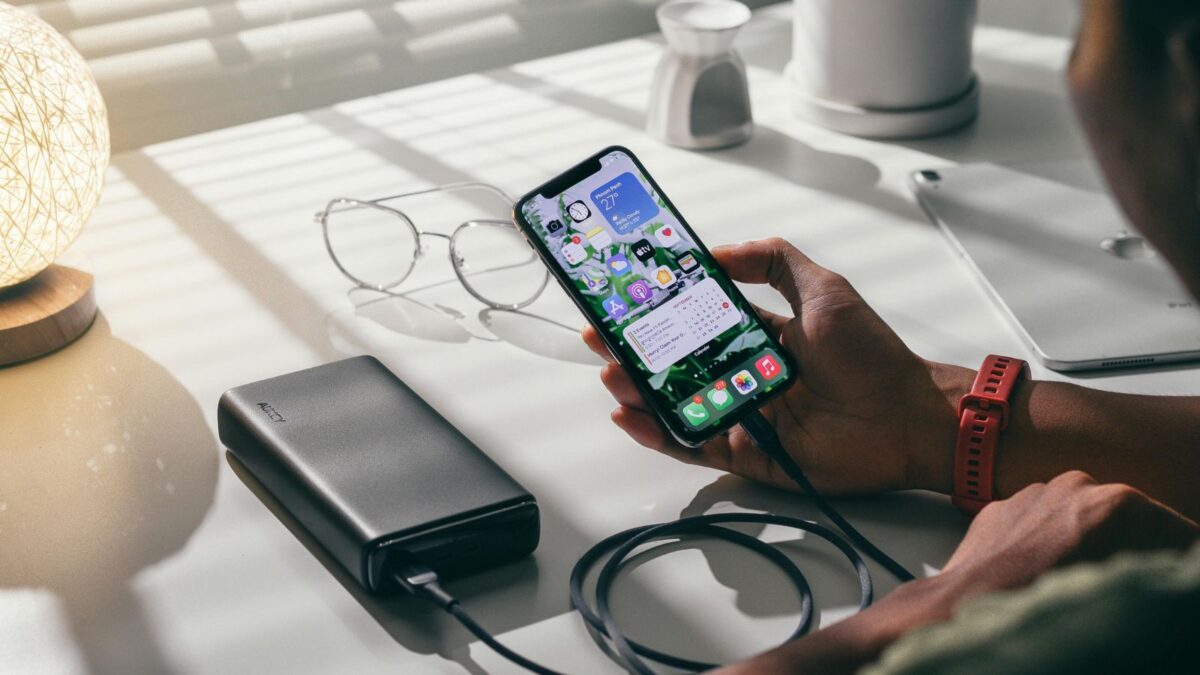
Leaving a phone plugged in after it reaches full charge may seem harmless, but it gradually reduces battery longevity. While modern devices include safeguards like optimized battery charging, prolonged high voltage and heat stress still take a toll over time.
Continuous use while charging, such as gaming, streaming, or heavy multitasking, amplifies this effect. To extend battery life, unplug promptly, use optimized charging modes if available, and avoid intensive device use during charging.
Conclusion
Phones are sturdy, but everyday habits can quietly destroy them. Heat, moisture, friction, bacteria, and careless placement are far more damaging than many realize. Avoiding risky spots like hot cars, under pillows, bathrooms, gym bags, or back pockets keeps your device cool, clean, and fully functional. With a little mindfulness, your phone can last longer, perform better, and even keep you safer and healthier along the way.