8 Reasons Why Ghosting Hurts More Than People Admit
Ghosting looks quiet from the outside, but inside, the person being ignored can feel like a door slamming without warning. No argument, no explanation, no final message, no awkward goodbye. Just silence. That silence can be louder than any harsh word because the mind rushes in to fill every empty space.
People often treat ghosting like a small dating inconvenience, as if disappearing is just part of modern romance. But the emotional damage can be much deeper than most admit. Ghosting hurts because it steals closure, dignity, confidence, and sometimes a person’s ability to trust the next good thing that comes along.
It Leaves You Fighting an Invisible Ending
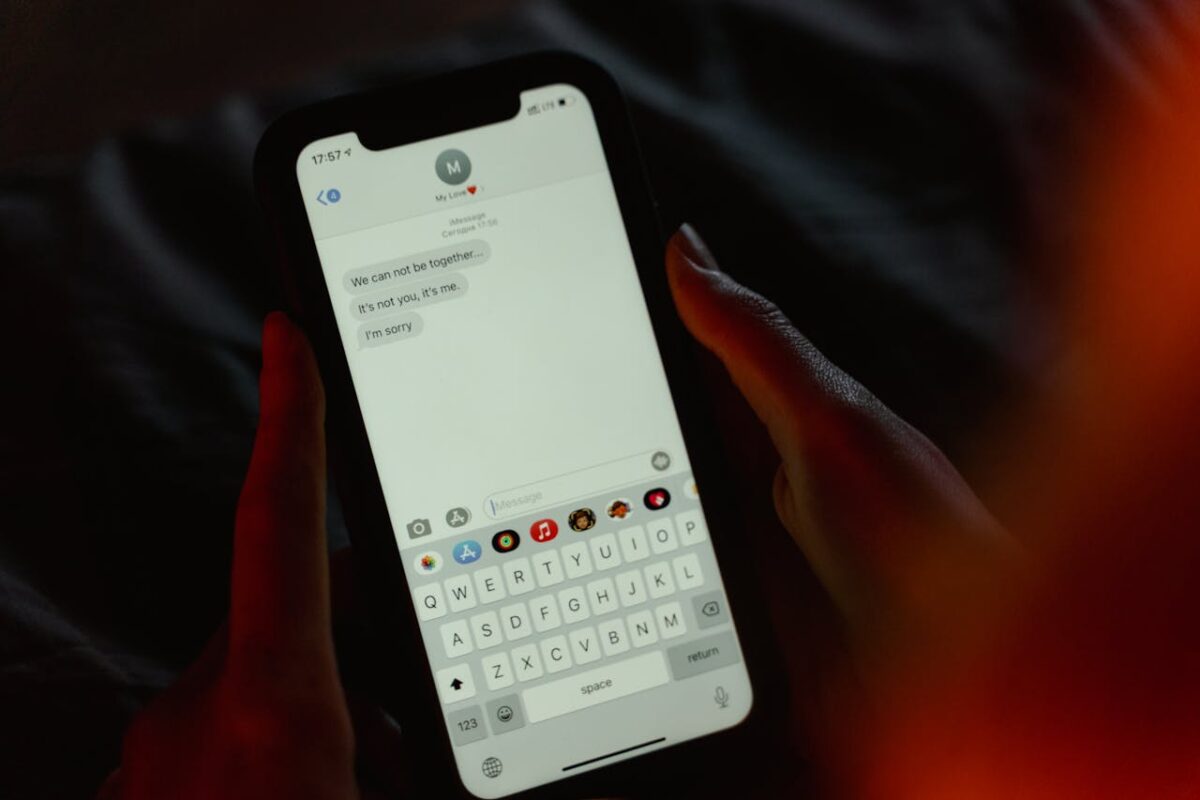
One of the cruelest parts of ghosting is that the relationship ends, but no one officially says it did. The person disappears, yet your emotions do not receive the memo. You keep checking your phone, replaying the last conversation, wondering if they are busy, upset, confused, or simply done.
A normal breakup gives the heart something to hold. Even a painful goodbye creates a clear line between before and after. Ghosting leaves that line blurry, so your mind keeps returning to the scene like a detective with no evidence and too many theories.
That kind of uncertainty is exhausting. You cannot grieve properly because a tiny part of you keeps waiting for them to come back with an explanation. Hope becomes a trap, and silence becomes the thing you keep trying to decode.
It Makes You Question Your Own Worth

Ghosting does not just make people ask, “What happened?” It often makes them ask, “What is wrong with me?” That question can sting longer than the actual loss. When someone vanishes without a word, it can feel as if you were so easy to discard that you did not even deserve a sentence.
The mind can become brutal in those moments. You may start judging your looks, your messages, your jokes, your vulnerability, and even the timing of your affection. A person who was confident yesterday may suddenly feel replaceable today.
That is why ghosting cuts so deeply. It turns another person’s poor communication into your personal identity crisis. Their silence becomes a mirror, and even though the mirror is distorted, it can still feel painfully convincing.
It Denies You the Respect of Honesty
Most people can survive hearing the truth, even when it hurts. What hurts more is being treated like the truth is too much to give. Ghosting sends a cold message that your feelings are not worth a simple explanation.
Honesty does not need to be dramatic. A short message saying, “I do not think this is working,” may sting, but it allows someone to understand the situation. Ghosting skips that basic courtesy and leaves the other person carrying confusion that never belonged to them.
This is why ghosting often feels disrespectful, not just disappointing. The silence says, “I chose comfort over your clarity.” That can make a person feel small, even when they did nothing wrong.
It Forces Your Brain to Create Painful Stories

When people do not get answers, they invent them. That is not a weakness. That is how the brain tries to protect itself from uncertainty. The problem is that the stories it creates are often worse than the truth.
You may imagine they met someone better, got bored, laughed about you, or never cared at all. You may turn one delayed reply from the past into a warning sign you should have seen. Before long, your memory becomes a courtroom, and you are both the accused and the judge.
Ghosting hurts because it creates emotional blanks that your imagination fills with fear. Instead of healing from one clear truth, you suffer through ten possible versions of rejection. Each version has its own sting.
It Makes You Feel Foolish for Caring
There is a special kind of embarrassment that comes after being ghosted. You may feel foolish for getting excited, for telling your friend about them, for smiling at their texts, or for believing their sweet words. The pain is not just losing them. It is realizing you were emotionally invested in someone who could disappear without warning.
That embarrassment can make people act tougher than they feel. They may say, “I do not care,” even though they do. They may delete the chat, block the number, and laugh it off in public while privately feeling humiliated.
Ghosting hurts more than people admit because it attacks tenderness. It makes caring feel risky. It punishes openness, even though openness is exactly what real connection requires.
It Turns Silence Into a Trigger
After being ghosted, silence can stop feeling neutral. A delayed reply from someone new may suddenly feel threatening. A short message can spark panic. A quiet evening can make your stomach drop because your body remembers what happened last time.
This is how ghosting can follow people into future relationships. The next person may be kind, honest, and emotionally available, yet the fear still whispers in the background. You may start reading distance into every pause, even when nothing is wrong.
That is one of ghosting’s hidden costs. It does not always end when the ghost disappears. Sometimes it trains your nervous system to expect abandonment, even in places where love is actually trying to grow.
It Makes Closure Feel Like a Luxury
Closure is often treated like something people should create for themselves, and yes, personal healing matters. But that does not erase the fact that honest endings help people move on faster. Ghosting blocks that natural process.
When someone explains why they are leaving, you may not like the answer, but at least you can place the pain somewhere. You can accept that they were not ready, not interested, not compatible, or not emotionally mature. Ghosting offers no such place to put the hurt.
So the person left behind has to build closure from silence. That takes strength, but it also takes time. You have to remind yourself that no reply is still an answer, even when it feels like the most cowardly answer possible.
It Shows How Disposable Modern Connection Can Feel

Ghosting hurts because it taps into a bigger fear many people carry today. The fear that connection has become too easy to start and too easy to abandon. A person can share secrets with you on Monday, send heart emojis on Tuesday, and vanish by Friday.
That emotional whiplash can make dating feel like standing in a crowded room where everyone has one hand on the exit. People crave real connection, but ghosting makes it feel fragile. It reminds you how quickly warmth can turn into absence.
This is why ghosting feels bigger than one person ignoring your messages. It can make the whole idea of trust feel shaky. The ghost may leave quietly, but the emotional echo can be loud enough to change how you approach love.
Conclusion
Ghosting hurts more than people admit because it is not just silence. It is rejection without explanation, loss without closure, and disrespect wrapped in disappearance. It leaves people questioning themselves, rewriting memories, and carrying fear into future connections.
The truth is simple. Being ghosted does not mean you were too much, too needy, too boring, or too easy to leave. It means someone lacked the courage or kindness to communicate clearly. That is painful, but it is also revealing.
Healing begins when you stop treating their silence as proof of your worth. Some people leave without words because words require maturity. Your task is not to chase an explanation from someone who chose disappearance. Your task is to remember that someone else’s inability to end things properly does not make you unworthy of a better beginning.