12 Foods That Wreck Digestion and Cause Constipation
Constipation is more than occasional discomfort; it can be a persistent struggle that affects daily life. If your meals include hidden culprits that slow your digestive system, no amount of water or laxatives will restore regularity. Understanding which foods are sabotaging your gut is the first step toward smoother digestion and lasting relief.
Beyond symptom management, removing or reducing these foods encourages consistent bowel movements, eases bloating, and restores energy. The following guide identifies the twelve most notorious constipation-inducing foods and explains why they disrupt your digestive rhythm.
Unripe Green Bananas Disrupt Digestion
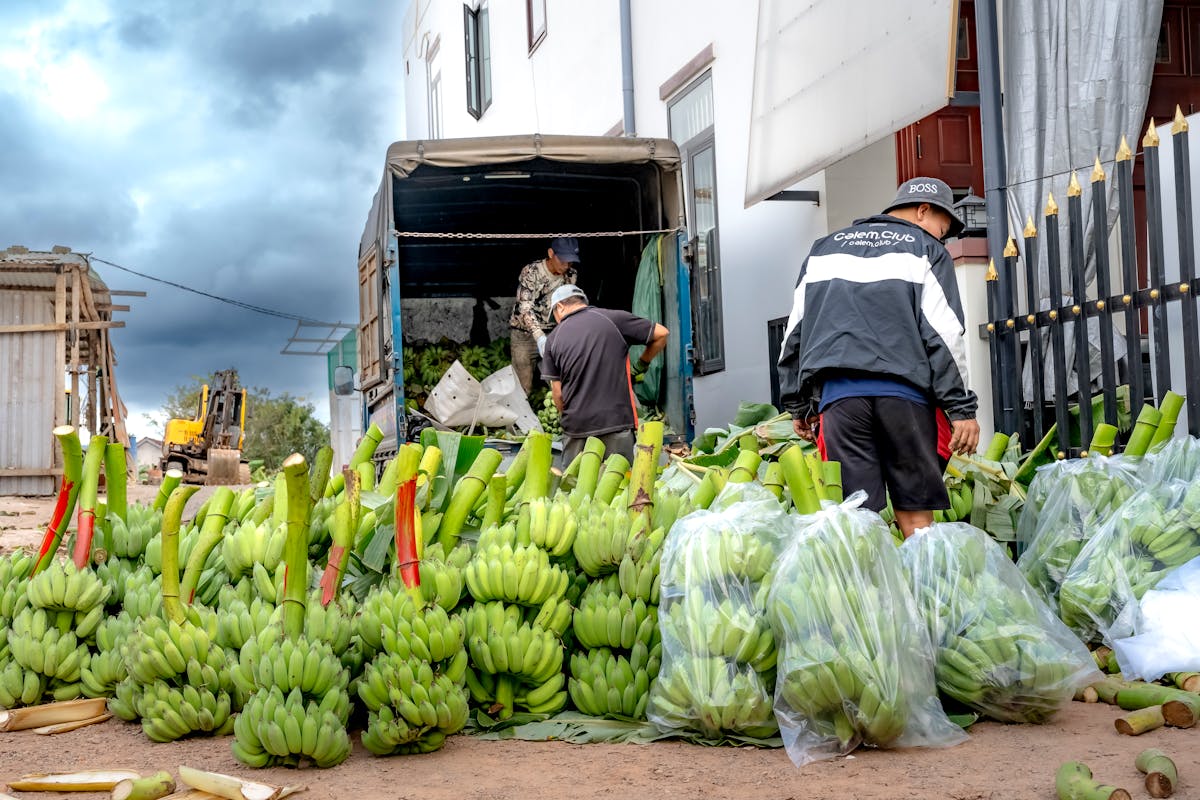
Green bananas are rich in resistant starch, a type of carbohydrate that behaves like fiber but is more difficult for the digestive system to break down. Approximately 70–80% of their weight is resistant starch, which can slow down intestinal movement and contribute to hardened stools. Those struggling with constipation should opt for ripe bananas, which provide soluble fiber that promotes smoother digestion.
Switching to fully ripened bananas enhances bowel regularity, delivers essential nutrients, and avoids the digestive drag caused by unripe fruit. Ripe bananas also provide potassium, which supports fluid balance and can indirectly help maintain soft stools.
Milk Chocolate Slows Gastrointestinal Motility
Chocolate, especially milk chocolate, contains high levels of fat that retard digestion and peristalsis, the rhythmic contractions moving food through the intestines. Unlike cocoa husks that contain fiber, processed chocolate lacks these benefits, leaving the digestive system prone to sluggishness. acerbate bloating, gas, and constipation.
Cocoa-rich dark chocolate in moderation may offer fiber, but milk chocolate’s fat content and refined sugars create a heavy digestive load that is best avoided when managing constipation. Limiting chocolate intake helps keep stools soft and bowel movements regular.
Excessive Caffeine Dehydrates the Colon

While small amounts of caffeine can stimulate bowel movements, excessive consumption draws water from the colon, hardening stools. Drinks such as strong coffee, energy beverages, and caffeinated teas can disrupt hydration levels, which are critical for smooth digestion. Chronic overconsumption can aggravate constipation rather than alleviate it.
Maintaining moderate caffeine intake while pairing it with ample water supports healthy colon function. A balance ensures alertness without compromising stool softness.
Processed and Frozen Foods Overload the Digestive System

Convenience comes at a cost -frozen meals, deli meats, and packaged snacks are high in sodium, preservatives, and additives that burden digestion. These foods lack natural fiber and demand more effort from the digestive tract, slowing transit time. Habitual consumption of processed items is strongly associated with chronic constipation.
Replacing processed meals with fresh, fiber-rich alternatives allows the gastrointestinal system to function efficiently. Whole foods reduce digestive stress and promote regular bowel movements.
Gluten Can Trigger Constipation in Sensitive Individuals
Gluten, found in wheat, rye, barley, and semolina, binds food but can be difficult to digest for those sensitive to it. People with celiac disease or non-celiac gluten sensitivity may experience slowed bowel transit and constipation. Even mild sensitivity can disrupt regularity if gluten is consumed daily.
Opting for gluten-free grains like quinoa, buckwheat, or oats can improve digestive ease and prevent the constipation commonly triggered by wheat-based foods. Fiber-rich gluten alternatives support intestinal motility.
Astringent Persimmons Reduce Gut Secretions
Certain persimmons, particularly the astringent variety, are high in tannins that slow food movement through the digestive tract. These compounds reduce gut secretions, leading to firmer stools and potential blockages. Sweet persimmons, in contrast, offer fiber without this binding effect.
Selecting ripe, sweet persimmons rather than astringent types helps maintain soft stools and avoid slowing intestinal transit. Incorporating them thoughtfully supports both nutrition and regularity.
Red Meat Requires Intensive Digestion
Red meats are dense in protein and fat, making them harder for the digestive system to break down. High iron and low fiber content slow intestinal movement, often leading to constipation. Frequent consumption of beef, lamb, pork, or venison can aggravate digestive sluggishness.
Alternating red meat with fiber-rich lean proteins like fish, poultry, or legumes helps maintain bowel regularity. Reducing overall red meat intake eases the digestive load on the colon.
Crackers and White Flour Snacks Lack Fiber
Refined flour products like crackers, cookies, and some biscuits are low in fiber and can decelerate bowel movements. Without adequate bulk, stools become compacted and harder to pass. Relying on these items as snacks can perpetuate constipation.
Switching to whole-grain versions provides both soluble and insoluble fiber that softens stools and promotes healthy intestinal contractions. Regular inclusion of whole grains supports digestive consistency.
Alcohol Dehydrates and Hardens Stools

Alcohol has a dehydrating effect that removes water from body tissues, including the colon. This water deficit leaves stools dry and difficult to pass. Binge drinking or regular alcohol intake without compensating hydration is a frequent cause of constipation.
Moderation and abundant water intake prevent alcohol-induced dehydration and maintain stool softness. Avoiding heavy drinking ensures your digestive system functions optimally.
Excessive Dairy Products Slow Digestive Transit
Milk, cheese, yogurt, and ice cream contain lactose, which in sensitive individuals can cause gas, bloating, and constipation. High-fat cheeses further slow peristalsis. Overreliance on dairy without balancing fiber intake can lead to persistent digestive sluggishness.
Consuming dairy in moderation and pairing it with fiber-rich foods helps maintain bowel regularity. Lactose-free or fermented options can reduce the risk of constipation while preserving nutritional benefits.
Fried and Fast Foods Impede Bowel Movements
High-fat fried foods and fast-food items are heavy, low in fiber, and loaded with additives that hinder smooth digestion. Sodium and trans fats exacerbate water retention in the colon, creating dry, hard stools. Frequent consumption can lead to chronic constipation and digestive discomfort.
Incorporating more fiber-dense vegetables, grains, and minimally processed proteins improves stool consistency and digestive flow. Eliminating fried and fast foods reduces the burden on the colon and encourages regularity.
Potato Chips and Salty Snacks Aggravate Constipation
Chips and salty snacks are high in fat and sodium, which dehydrate the digestive tract and slow bowel movements. The addictive nature of these snacks often leads to overconsumption, further worsening stool hardness. Regular intake can be a hidden factor behind persistent constipation.
Replacing chips with fiber-rich alternatives like raw vegetables or air-popped popcorn keeps snacks enjoyable while supporting bowel health. Hydration alongside high-fiber choices enhances stool softness.