8 Worst Leadership Decisions in History
History is full of leaders who stood at the edge of disaster and somehow chose to step forward. Some were blinded by pride. Others trusted bad advice, ignored warnings, or believed their power made them untouchable. The worst leadership decisions rarely look small in hindsight because their damage spreads across nations, economies, armies, and ordinary families who had no seat at the table.
Great leadership demands patience, humility, timing, and the courage to listen. Bad leadership does the opposite. It rushes, boasts, silences critics, and mistakes stubbornness for strength. These eight decisions show how one terrible choice can turn ambition into ruin and leave scars that last for generations.
Napoleon Invading Russia
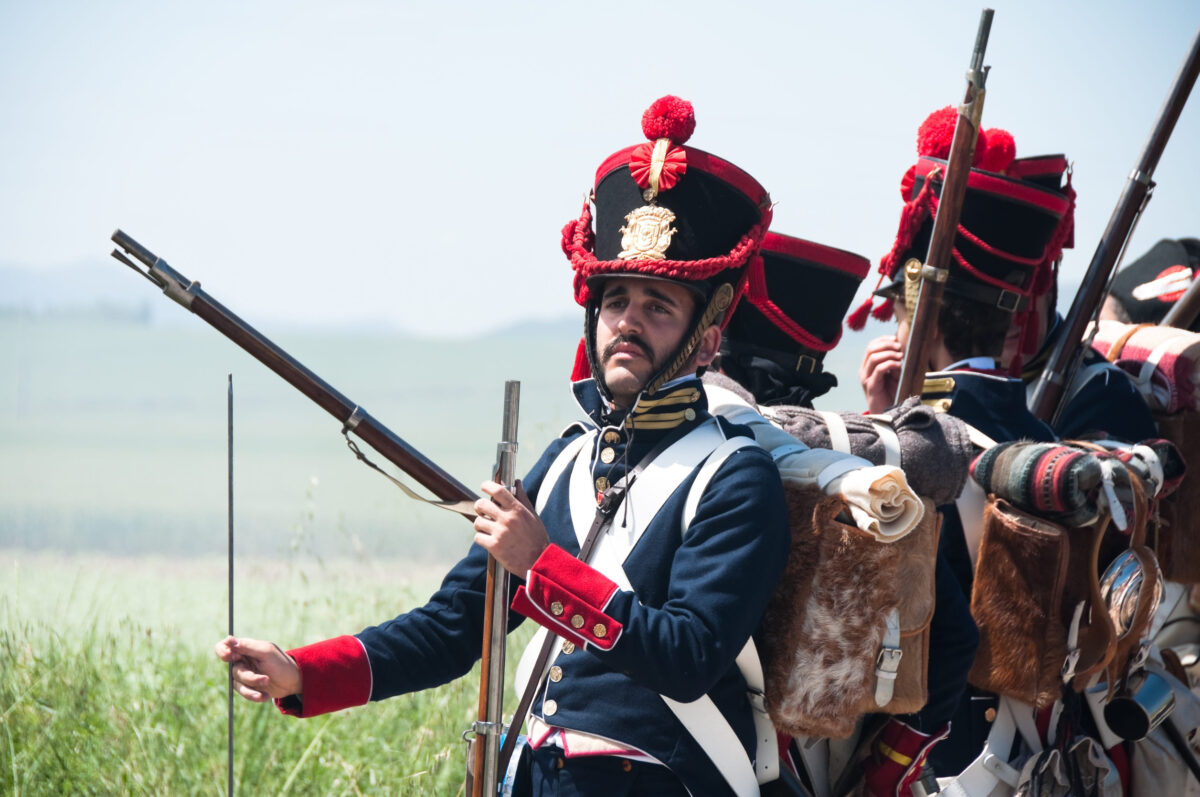
Napoleon Bonaparte entered Russia in 1812 with one of the largest armies Europe had ever seen. He believed speed, pressure, and military genius would force Russia into submission. Instead, Russian forces retreated, burned supplies, and dragged the French deeper into a freezing trap. Napoleon reached Moscow, but victory meant little because the city could not feed or shelter his exhausted troops.
The retreat became a nightmare of cold, hunger, disease, and constant attacks. Hundreds of thousands of soldiers were lost, and Napoleon’s image of invincibility was cracked. His decision showed the danger of confusing past success with future certainty. Russia did not just defeat its army. It broke the spell around his empire.
Hitler’s Opening War Against the Soviet Union
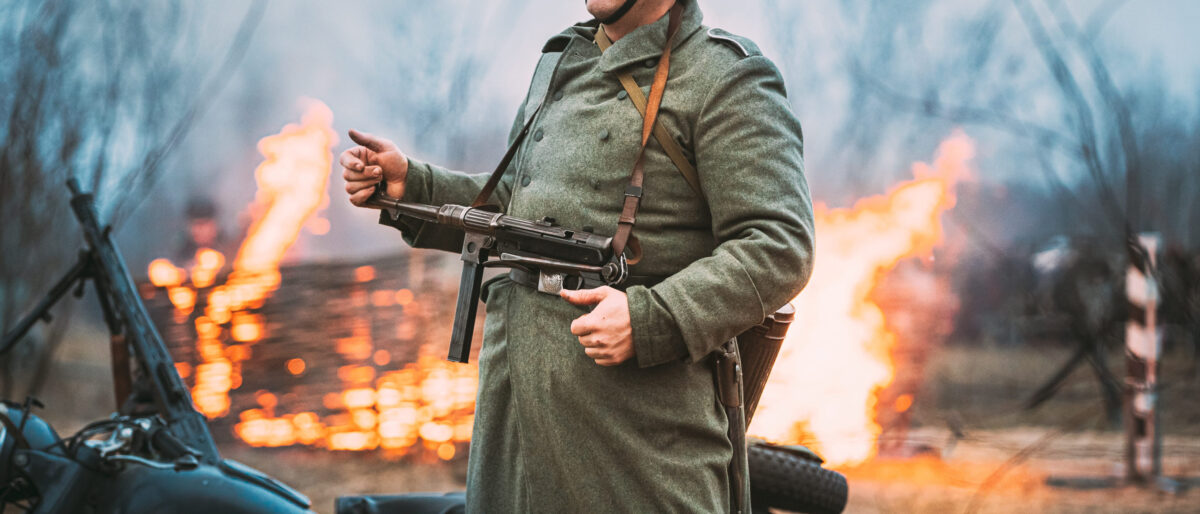
Adolf Hitler’s invasion of the Soviet Union in 1941 was one of the most destructive decisions in modern history. Germany was already fighting Britain, yet Hitler chose to open a massive eastern front against a country with vast land, huge manpower, and brutal winters. The plan depended on a quick victory, but the Soviet Union absorbed the shock and fought back with terrifying force.
This decision stretched German troops, supplies, and strategy beyond repair. Battles such as Stalingrad became turning points that drained Germany’s strength. Hitler ignored military caution because ideology and arrogance mattered more to him than reality. The invasion helped turn a war Germany might have prolonged into a catastrophe it could not survive.
The Great Leap Forward
Mao Zedong’s Great Leap Forward in China began with the promise of rapid industrial and agricultural growth. The goal sounded bold, but the execution was disastrous. Farmers were pushed into communes, food production targets were exaggerated, and local officials often reported false success because fear ruled the system. Bad information traveled upward, while suffering spread downward.
The result was one of the worst famines in human history. Millions died as grain was taken, stored, or exported, even when people were starving. The decision exposed what happens when leaders punish truth and reward political performance. A nation cannot be fed by slogans. A government that refuses honest feedback can turn policy into tragedy.
The Charge of the Light Brigade
During the Crimean War in 1854, British cavalry troops were ordered to charge directly into a heavily defended Russian artillery position. The order was confused, poorly communicated, and badly interpreted. Instead of striking a vulnerable target, the Light Brigade rode into a deadly corridor of fire. The soldiers showed enormous courage, but courage could not fix reckless command.
The charge became famous because it symbolized the cost of elite incompetence. Men on horses were sent against cannons because senior leaders failed to communicate clearly. The disaster reminds us that leadership is not just about bravery at the top. It is about clarity, responsibility, and knowing that vague orders can kill people who trusted you.
King Charles I Fighting Parliament
King Charles I of England made the fatal mistake of treating political disagreement as personal rebellion. He clashed with Parliament over money, religion, and royal authority, then tried to rule without it for years. Instead of compromise, he chose confrontation. His belief in absolute royal power pushed the country toward civil war.
The conflict shattered England and eventually cost Charles his throne and his life. His decision showed how dangerous it is when leaders mistake negotiation for weakness. A ruler who refuses limits can provoke the very resistance he fears. Charles did not lose only because his enemies were strong. He lost because he could not understand that power survives longer when it learns to bend.
The Bay of Pigs Invasion
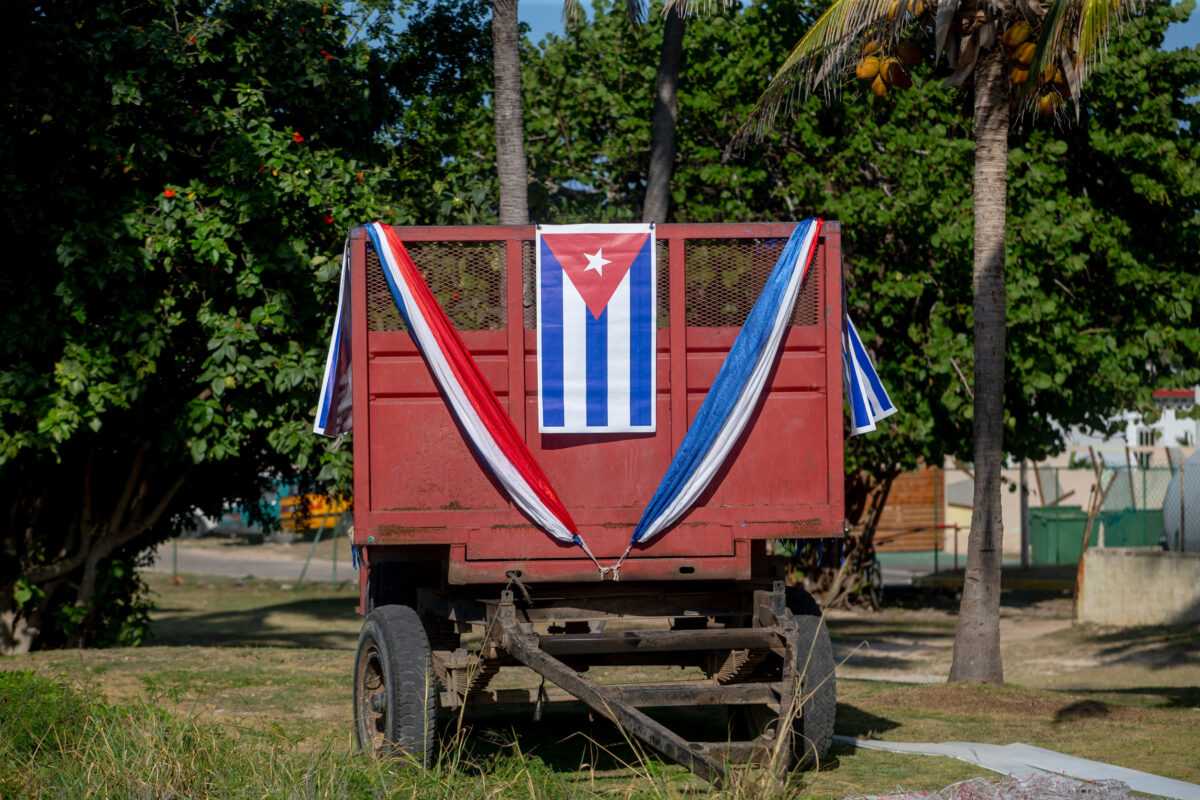
In 1961, the United States supported an invasion of Cuba by Cuban exiles hoping to overthrow Fidel Castro. The plan was risky, poorly supported, and based on shaky assumptions. Leaders expected the invasion to spark a wider uprising, but it never materialized. The operation collapsed quickly, leaving the attackers captured or killed and the U.S. humiliated.
The failure strengthened Castro’s position and pushed Cuba closer to the Soviet Union. It also damaged American credibility early in John F. Kennedy’s presidency. The decision stands as a warning against wishful thinking in foreign policy. When leaders hear only the version of events they want, they may approve plans that reality has already rejected.
The Decision to Launch the Titanic at Full Confidence
The Titanic disaster was not caused by a single person, but it reflected a chain of leadership failures rooted in overconfidence. The ship sailed with too few lifeboats for everyone on board because regulations were outdated, and confidence in the vessel was dangerously high. Warnings about ice were received, yet the ship continued moving at high speed through risky waters.
The tragedy became a symbol of arrogance dressed as modern progress. More than 1,500 people died after the ship struck an iceberg in 1912. The lesson is painfully clear. Strong leadership prepares for failure even when success feels certain. When reputation matters more than caution, disaster often arrives wearing the face of surprise.
Neville Chamberlain
Neville Chamberlain’s policy of appeasement toward Hitler remains one of history’s most debated leadership choices. In 1938, he accepted the Munich Agreement, which allowed Germany to annex the Sudetenland from Czechoslovakia in the hope of preserving peace. Many people feared another devastating war, so the desire to avoid conflict was understandable. The problem was that Hitler read compromise as a sign of weakness.
Appeasement did not stop aggression. Germany soon took more territory, and Europe moved closer to World War II. Chamberlain’s decision shows that peace efforts fail when they ignore the character of the person across the table. Sometimes diplomacy needs firmness to survive. A leader can love peace deeply and still make danger worse by trusting a tyrant’s promises.
Conclusion
The worst leadership decisions in history were not always made by foolish people. Many were made by powerful, educated, experienced leaders who believed they saw the world clearly. That is what makes them so haunting. Disaster often begins when confidence becomes blindness, and authority stops listening.
These decisions remind us that leadership is never just about ambition. It is about restraint, preparation, honesty, and the ability to hear the uncomfortable truth before it becomes a public catastrophe. Armies, nations, and innocent citizens paid the price for choices made in palaces, war rooms, government offices, and boardrooms. History keeps telling the same lesson in different costumes. Power without humility is not strength. It is a fuse waiting for a spark.